With 2027 making its approach, it feels like time to turn our gaze to the trends that lie ahead in the world of drink. We all know the Martini is here to stay and that mezcal is continuing to rightfully gain a wider audience – but what’s going to be the next excitement in spirits? Likewise, chillable reds, indigenous grapes and sake will continue to delight our palates, but what are the breakout stars of 2027 likely to be in the world of wine?
This week, the IWSC announced its producers of the year at its annual awards ceremony held in London, with drink makers from across the planet honoured across 23 wine and spirits categories. We’ve used this as an opportunity to delve into the data behind the scenes to define what’s coming down the pipeline for the more discerning drinker. Read on for five trends in wine and spirits we’re anticipating in the year ahead.
Five wine and spirits trends to look forward to in 2027
1. Korean whisky is the one to watch
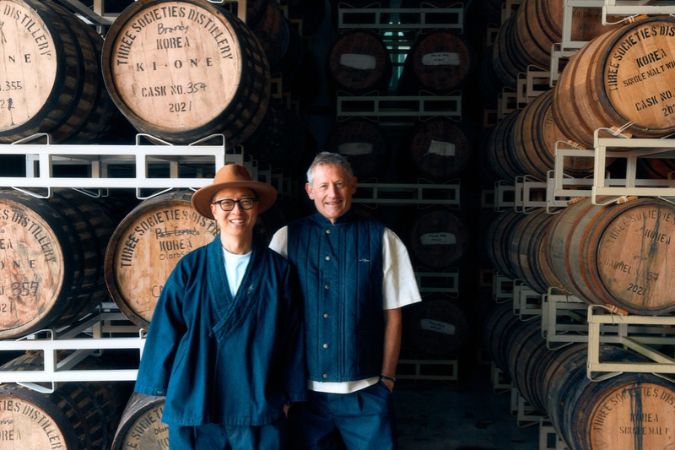
Distillation only began at Ki One in 2020, yet Korea’s very first single malt distillery has just been crowned Worldwide Whisky Producer of the Year by the IWSC at its annual awards celebration. It’s a rapid rise to the top that feels symbolic of the general buzz around what’s next for Korean whisky, many commentators already drawing comparisons with the meteoric rise of Japanese whisky.
At present, there are just three Korean whisky producers with liquid on the market, but there are rumblings of more to come. South Korea’s Ki One Whisky Distillery is located 40 minutes from Seoul, where temperatures swing dramatically from 30°C in the summer to -20°C in the winter, speeding up the maturation process to produce a bold and nuanced spirit. This temperature swing is an impressive USP sure to get whisky fanatics excited – and their floral, fruity and spicy single malts speak for themselves. ‘The liquid quality is outstanding, and they are really delivering a sense of place to their whiskies whilst having a little fun along the way,’ says Dawn Davies, a member of the IWSC’s spirits judging committee. It’s truly exciting to see whisky swept up in the K-Wave.
2. Provenance is the new luxury in drink
Like buying a designer handbag, it used to be all about a flashy brand when it came to purchasing wine and spirits at the top end. But we’re continuing to see discerning drinkers seeking out a story behind what’s in their glass. This change has been propelled along in particular by a struggling economy. Drinkers are more considered than ever about what they purchase and why; they want to enjoy a drink with a difference, especially when committing to a higher price tag. As such, authenticity and an artisanal approach will be king in 2027.
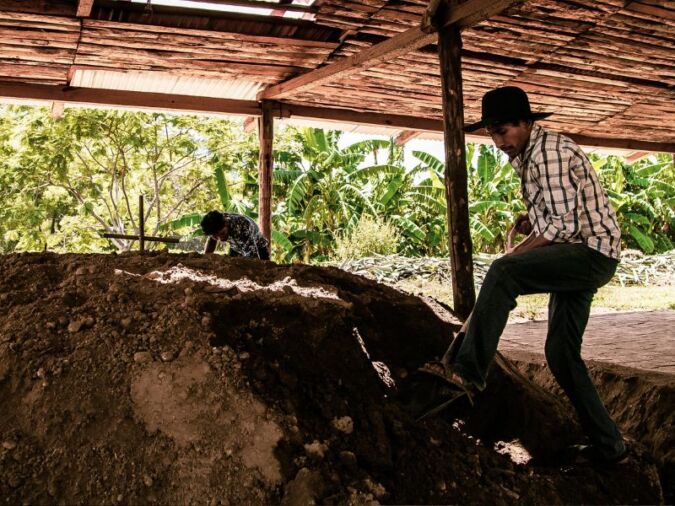
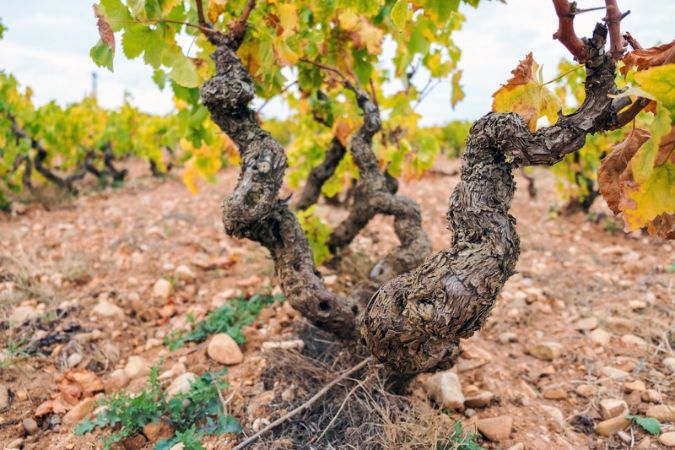
In wine, that’s likely to mean an appreciation for makers championing ancient techniques, like the qvevri used in Georgian winemaking, and those protecting their heritage old vines, like the winemakers at Santorini’s Estate Argyros, winner of the IWSC Old Vine Trophy. Meanwhile, the ancient craft that goes into making Mexico’s agave spirits – a booming category at this year’s IWSC, with seven producers making the awards shortlist – will continue to command the attention of switched on drinkers.

3. Cap Classique is bubbling over
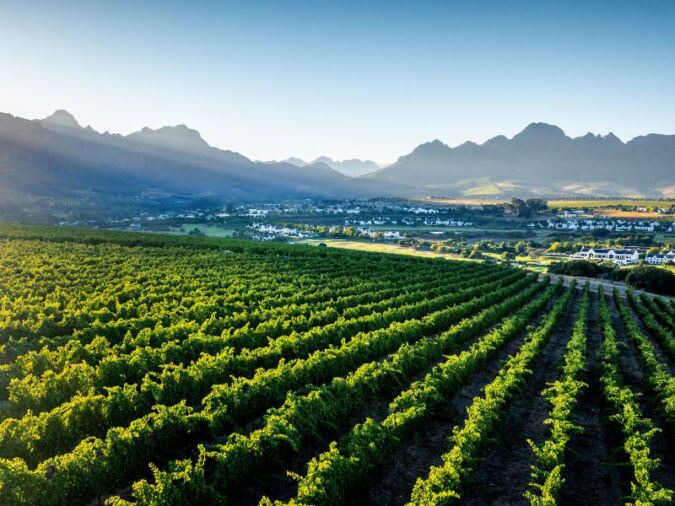
If you’re looking for something made in the Champagne style this party season, just minus the price tag, Cap Classique is deservedly turning heads. South Africa’s traditional-method wine has come along leaps and bounds in the last decade, with a new generation of producers dedicating their attention and their best vineyard sites to sparkling wine. It has led to a greater appreciation for the style in the UK, its biggest export market, with sales more than doubling in the last five years and with more frequent sightings of Cap Classique on our boutique and supermarket shelves.
Not only did leading examples of Cap Classique shine at the IWSC’s Global Judging in South Africa this year, but it has led to international domination at the competition’s annual awards celebration, where family-owned winery Paul René took home the coveted Sparkling Producer Trophy, beating off competition from the likes of France, Spain, Italy and the UK. Victoria Mason MW, a member of the IWSC wine judging committee, says the wines of Paul René demonstrate ‘a beautiful balance of generosity and tension, along with an immediate deliciousness’. All of that at a snip of the price – what’s not to like?

4. Citrus, but not as you know it
By now, we’re all used to seeing yuzu on the cocktail menu. But what about calamansi, pomelo and bergamot? As part of its new trends report, Think Drinks, a platform supporting staff training and drinks development in the UK bar sector, is predicting big things for citrus flavours in all bright and brilliant forms in 2027. The IWSC has spotted the trend too: Gruppo Caffo 1915 just scooped the title of IWSC Liqueur Producer of the Year, its Calabrian bergamot liqueur a standout elixir and its juicy, bright and floral clementine liqueur impressing judges at blind tastings.
Elsewhere, the competition saw plenty of excellent examples of blood orange-flavoured liqueurs and grapefruit-flavoured gins, as well as a standout bergamot fruit brandy. And as for that aforementioned yuzu, it was a star ingredient across multiple categories at the competition this year, from a ‘mouth-puckering’ English liqueur and an innovative yuzucello from Japan to a yuzu gin and a canned sake cocktail, both from Australia. Plus a ginger and yuzu hard soda took home a trophy as the year’s top mid-strength drink – so you won’t even have to forgo flavour when dialling down the abv.

5. Adventures in botanical form
Gin has been steadily expanding its global footprint over the last decade or so, but what is now clear to see is how well distilleries around the world are harnessing their unique local botanicals to create a spirit expressive of their own corner of the world. Sense of place shines through in the gins of Japan’s Nozawa Onsen Distillery, who just won the International Gin Producer Trophy at the IWSC, which is based in a small skiing village in Honshu and champions mountain botanicals in its distillation process. It was joined in the category by the likes of Cape Town’s Emperor Gin – expressing the region’s signature fynbos shrub in its liquid – and Australia’s Never Never Distilling, who feature local finger lime and pepperberry in their zesty Landers Lime gin. We fully expect gin to take us on a journey to even more far-flung corners of the planet in 2027.