Most prestigious Rioja wines convey a message of timeless classicism. When tasting a beautiful gran reserva – aged for several years in oak and then in bottle – it is only natural to link it with old traditions and a story of slowly accrued expertise, acquired over several generations of trial and error.
Nonetheless, Rioja was not born but invented. As recently as 1833, British wine writer Cyrus Redding shared his admiration of Jerez and Val-de-Peñas (as he wrote it) but did not say a single thing about Rioja.
Rioja was created when resourceful investors brought vine-growing and winemaking know-how from Bordeaux to northern Spain. They had money and contacts, a vision of quality and, most of all, an appealing prospect for a fine-wine market that had never existed before.
The results were impressive and almost immediate. Riscal was founded in 1858 and produced the first bottle of modern Rioja wine in 1862; by 1870, it was making wines that won accolades in France and are still unbeatable today. Most of the other classic Rioja wineries were founded after the phylloxera epidemic in France in the mid-19th century, which generated a huge demand for all kinds of Spanish wine.
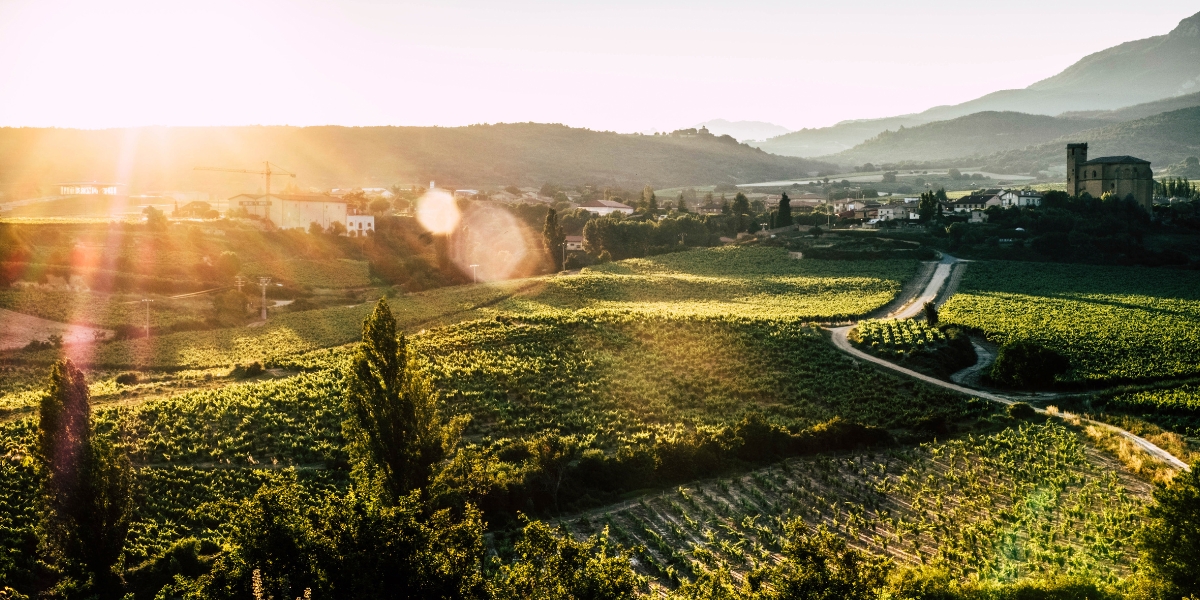
When the French recovered their vineyards, the Spanish wine sector, which had grown exponentially to supply France, crashed. While most Spanish regions kept producing cheap wines, the best Rioja wineries stuck to the fine-wine model, and most of them have maintained this level ever since.
Remírez de Ganuza was founded in 1989, a century later than many of the classics. It was, however, created along the same principles as those 100-year-old wineries: an admirable focus on quality, a great understanding of vineyards and vines, and the defining of a classic fine-wine style.
We don’t think that any single vineyard gives naturally better quality than an intelligent blend from several
The winery
Remírez de Ganuza was founded around the same time as Roda and Marqués de Vargas. This is unlikely to be a coincidence and is instead testimony to the ethos in the 1980s of creating wineries deeply rooted in Rioja’s identity. This was the first democratic decade in Spain, which became a member of the European Union in 1986. From then on, the country had access to international markets, its population could receive a better education, there were more transparent and reliable market and financing schemes, and wine-market rules were liberalised.
For the first time in seven decades, new investors could create new brands and wineries with the ambition of making fine Rioja wine aimed at the international market. In addition, there were many good and very old vineyards that were available to buyers who had the technical and financial ability to realise their quality potential. While Vargas was dedicated to its own vineyards at Pradolagarin Rioja Alta, and Roda was focused on vineyards around Haro, also in Rioja Alta, Fernando Remírez de Ganuza concentrated on the region of Rioja Alavesa.
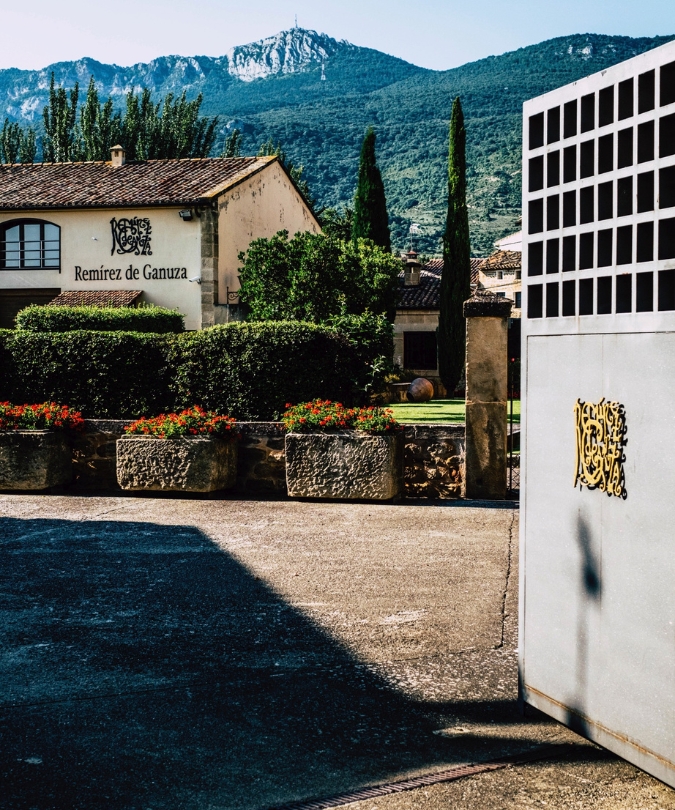
Fernando had a privileged knowledge of the vineyards in Alavesa thanks to many years working as a prominent rural property agent. Indeed, he deserves as much recognition for his successful efforts in restructuring Alavesa vineyards as he does for his wines. In the 1980s, the vineyards were atomised; the average size was 0.25ha (0.6 acre). Fernando reorganised the vineyards in such a way that average size was increased to commercially manageable plots, making it feasible to invest in increasing quality. Fernando, who died in 2024, liked to say that he ‘learned to spot top vineyards just by trading with them’.
Fernando was focused on excellence in all things, and this characteristic was yet another reason for his success. He was convinced that, in order for his wines to show the full potential of the grapes, he needed to carry out ‘the most delicate and precise work in the bodega’. He was not only open to technical innovation but was active in researching new ways of achieving greatness.
The fact that he was not initially trained in making wine no doubt increased Fernando’s freedom to innovate. He had a fine sense of humour and was fond of describing his background as mundología, a colloquial term meaning ‘worldology’, or learning by living – the Spanish equivalent of attending the University of Life. He also possessed a great deal of curiosity. Not long before his death, he said, ‘When I started in this world, I did not have any formal wine education. Because of that, I had to sharpen my wits, keep my eyes wide open and, only then, change those things that had to be changed.’
Vineyards and terroir
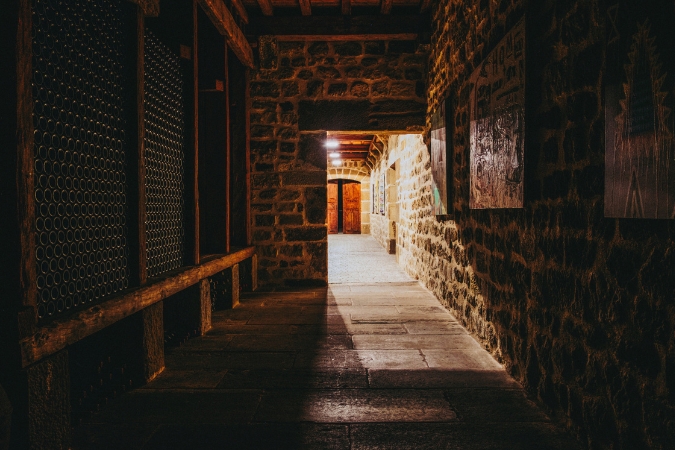
Fernando built his winery inside an old building in the beautifully preserved Alavesa village of Samaniego. It combines the rustic charm of the traditional local buildings with the hygiene and order of a high-tech installation.
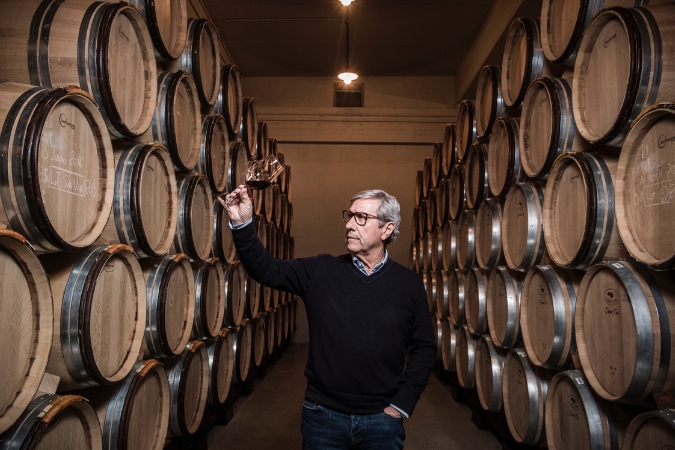
Most of the small old-vine vineyards that he bought over many years were around the town of Samaniego. Now, Remírez de Ganuza owns 80ha (200 acres) in 70 plots across nine different villages. Alavesa’s undulating landscape of medieval hilltop villages surrounded by vines offers a range of soils and exposures that help explore the potential of single-vineyard identity.
There is an obvious distinction between brands that unite the best of several vineyards and those that focus on single-vineyard wines. Since this is a subject of debate among wine lovers, I sought the opinion of José Ramón Urtasun, the current owner of Remírez de Ganuza. ‘We stick to achieving top quality from our vineyards,’ he explains, ‘but don’t think that any single vineyard gives naturally better quality and more complexity than an intelligent blend from several vineyards.’ Most of Urtasun’s production, including the top wines, are blends under the Remírez de Ganuza brand, organised around a portfolio: María, Trasnocho, the Gran Reserva and the bestselling Reserva. But there are also some single-vineyard wines not officially registered as such, like the red Viña Coqueta and white Olagar.
I tasted a new single-vineyard wine, the Paraje La Rad 2024, a pure Tempranillo with amazing complexity and a very fresh and lively approach. It is slightly atypical for the winery by virtue of the spectacular fruit and floral aromatics, with fine-grained tannins and a delicate and very slow finish. It is a very impressive effort by one of the most talented winemakers in Spain, Jesús Mendoza.
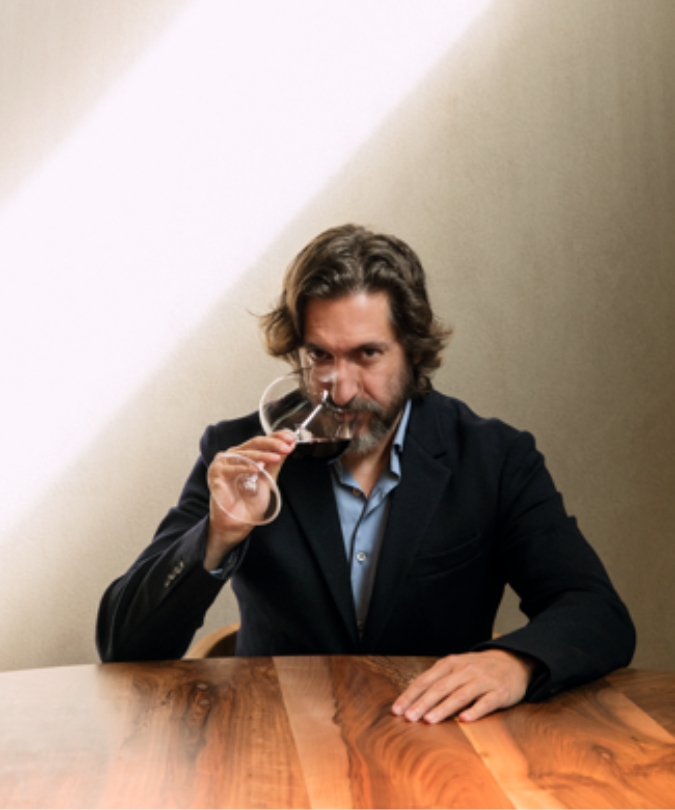
Walking around the vineyards with Urtasun and Mendoza allowed me to appreciate their deep knowledge of and attention to each plot of land. Indeed, Mendoza has been living among these vineyards all his life. His role behind the impressive quality in Remírez de Ganuza’s portfolio cannot be overstated. He has spent almost all of his career in the winery, the perfect partner to Fernando, managing the winery and developing many of its innovations. (He also became the perfect partner to Cristina, Fernando’s daughter: they married in 2010.) One of those innovations concerned an approach to terroir.
Remírez de Ganuza undertakes one of the strictest terroir selections I know and even considers the wine canopy to be a terroir. Fernando and Mendoza checked some years ago that not all the grapes in a bunch are the same. Those at the bunch’s shoulders, the upper part, are riper and more balanced than those at the bottom, which are fruitier but less tannic. Therefore, they cut each bunch in two, dedicating the upper part to their aged wines and the bottom part to their young wine, Erre Punto.
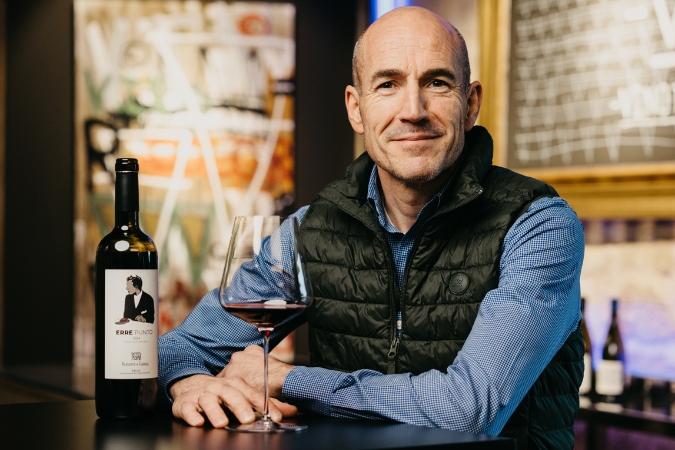
Erre Punto is made as a cosechero, the term used for the traditional carbonic-maceration wines of the region, made in a way not dissimilar to Beaujolais. This method is often underappreciated among wine lovers, mostly because it usually employs ‘second-quality’ grapes. But when great fruit is used, as it is at Remírez de Ganuza, the result is dramatically different. Try the 2024 for a refined fruity pleasure.
Options in ageing
Rioja was created by importing know-how from Bordeaux. With time, the Bordeaux methods were adapted to what works best in Rioja. Two quite different approaches to oak ageing were adopted. Both were successful, and they marked wine styles that remain relevant today. Each approach is exemplified byo ne of the two wineries that defined the modern style of Rioja: Murrieta and Riscal.
Murrieta went for very long ageing in oak, in more oxidative styles. Today’s Ygay, Viña Tondonia Gran Reserva and La Rioja Alta 890, among others, represent this style.
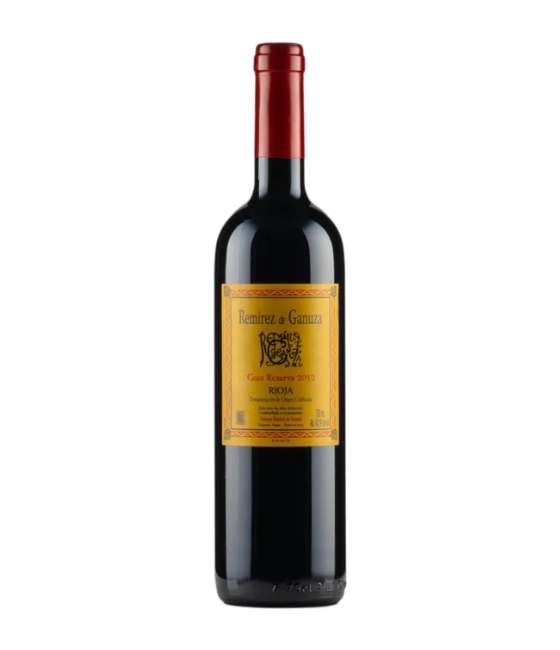
Riscal never aged its wines in oak for more than four years. Remírez de Ganuza is a great example of this style. Its Gran Reserva is aged for around three years in new French oak barrels, then released after several years of bottle ageing. The development in bottle of those wines is very slow and quite particular, maintaining for decades a dense texture and a sort of ‘memory’ of fruit.
Remírez de Ganuza became globally renowned when the Gran Reserva 2004 was awarded 100 points by Robert Parker
A chance tasting
Remírez de Ganuza was, from its inception, much respected and appreciated. It became globally renowned when the Gran Reserva 2004 was awarded 100 points by Robert Parker Jr. Mendoza says this happened almost by chance. ‘Jay Miller, who was tasting for Parker, had almost finished his visit when he said that he had not tasted any gran reserva – so he requested a sample, even if it was of a wine yet to be released. The rest is history.’
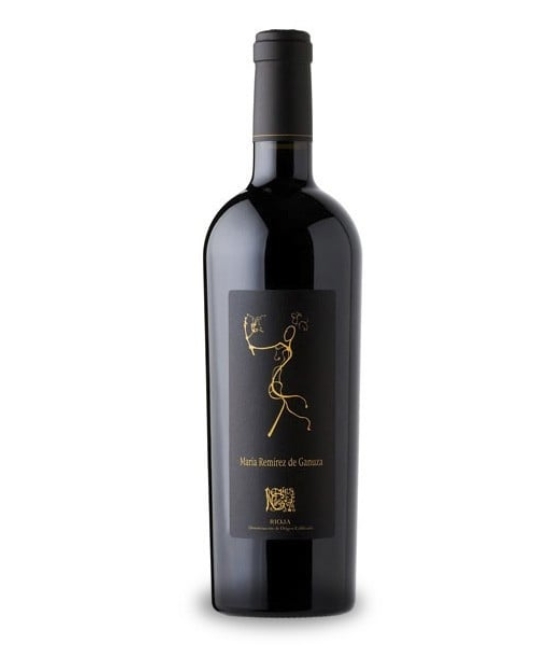
Two small-volume selections arguably also deserve as much attention as the Gran Reserva. The first, María, is a rare barrel selection yielding fewer than 1,000 bottles of a wonderful wine that ages very slowly. When I visited the winery in July, I tasted the María 2019, which was impressive with its soft but firm texture, still hugely fruity but very delicate. It promises to become increasingly complex with bottle-ageing. The wine was named María in memory of Fernando’s daughter, who died in childhood, and profits from this wine are entirely dedicated to social activities.
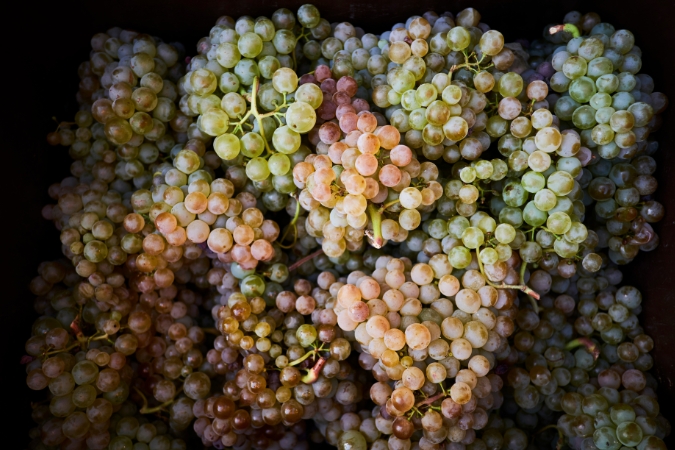
Trasnocho is, probably, the most personal of all Remírez de Ganuza wines, made from a selection of grapes from several small plots. The fruit is extracted through a membrane system, invented by Fernando, that exerts very gentle pressure on the grapes. The wine is deeply flavoured but soft. On my visit, I tasted the Trasnocho 2022. It is already delicious at a young age, despite the obvious concentration of flavour, but will get better with bottle-ageing. ‘It is unmistakably Alavesa,’ Urtasun says, ‘but it also represents Jesús’s mastery and attention to detail.’
Jesús Mendoza’s passion is distilled in everything he produces. He is a man entirely dedicated to his vineyards and his wines. ‘I am a vine grower, son and grandson of vine growers, ’he says, ‘but I am also a winemaker. When I do not work, I travel to wine regions or come to my vineyards. This is my life.’
The ‘other’ wines
The last pre-phylloxera vintage in Rioja was 1900. Then, the region was quickly destroyed and soon rebuilt, thanks to the fact that the remedy for phylloxera – grafting on to American rootstock – was already known. Tempranillo had a difficult time during that period, because it used to have a poor response to grafting. Garnacha, which matched much better, was preferred. Consequently, this latter grape variety was Rioja’s most important until the 1960s.
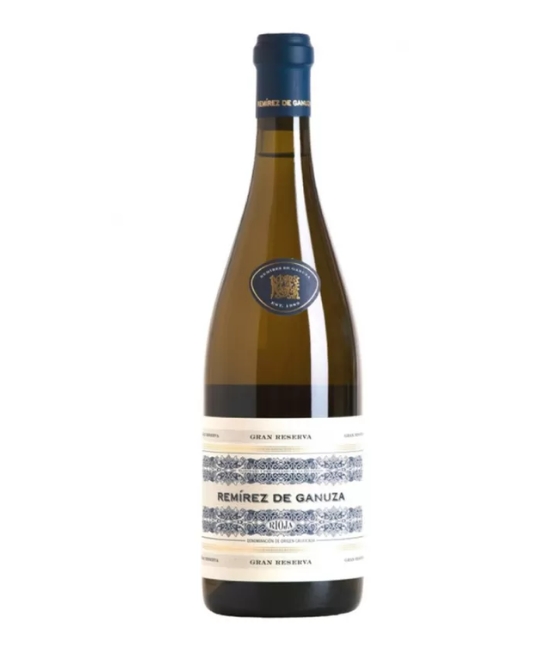
Some old Garnacha vineyards remain in Rioja Alavesa, a region at the limit for this late-ripening variety. From three such vineyards comes the fruit for Iraila, a distinctive and particular wine, powerful but refined, made in minute volumes of around 1,500 bottles. I tried the first edition of Remírez de Ganuza Blanco Reserva in 2011, which is also when I got to know Jesús Mendoza. I was conducting a masterclass in Valencia, and he presented his new white wine to me. On tasting it, I had the feeling of unmistakable greatness, of something vibrating in my cells and of a wine that will not easily disappear from the memory. It has since become a benchmark for top Rioja.
Rioja’s main white grape variety is Viura, aka Macabeo. It is a non-aromatic variety, not particularly fresh or juicy. In Rioja, it is uninteresting when used for young wines. But when the vines are planted in the right place and reach the right age, and when the wine is made with long ageing and extended lees contact, Viura awakes and becomes the flesh of a unique style of wines that are made for the very long term.
At the vineyard, I tasted the Reserva 2016 – balanced, open, long, with the potential to age for at least another 10 years. I was also flabbergasted by the Gran Reserva Olagar 2018, a single-vineyard wine with a broad and incredibly persistent finish.
Passionate commitment
José Ramón Urtasun had been at the company’s helm for more than 10 years when Fernando Remírez de Ganuza died, and he has ensured the continuity of the founder’s approach and mindset. Indeed, Urtasun has taken the company in new directions, achieving great success in export markets. Jesús Mendoza, behind the inspiring winemaking, has twice been recognised as Rioja’s best winemaker, in 2024 and 2025.
Both Urtasun and Mendoza demonstrate a passionate commitment to their land and their wines. With their success, they could invest in other wineries, but Urtasun is single-minded in his pursuit of perfection: ‘My goal is always to achieve excellence, and that requires a great deal of focus and exclusive dedication. My future is concentrating on Remírez de Ganuza.’
Four Remírez de Ganuza wines to try