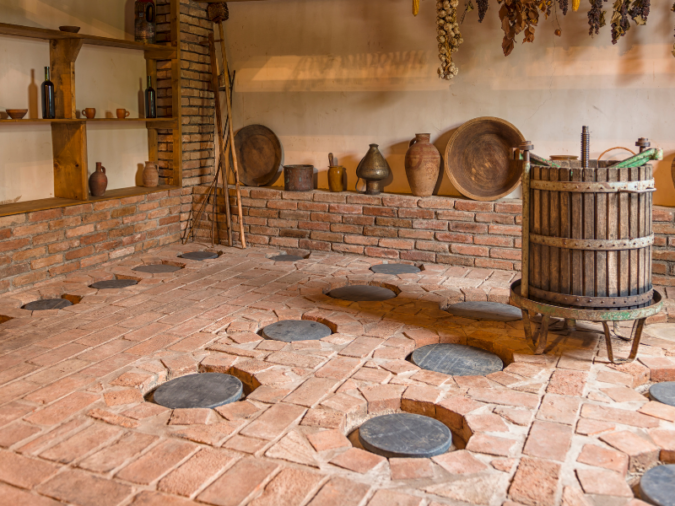
Georgia has around 8,000 years of winemaking history, hundreds of indigenous grape varieties and one of the world’s most distinctive winemaking traditions: qvevri, large clay vessels buried underground for fermentation and ageing. Yet some of the most interesting things happening in Georgian wine today are being driven by people at the beginning of their careers.
A new generation is combining formal wine education with experience gained in the likes of Napa Valley, the Rheingau, Geisenheim and Tuscany. There is respect for tradition, but little interest in treating it as untouchable. Instead, these winemakers are looking more closely at vineyards and terroir, experimenting with forgotten varieties and qvevri techniques, utilising data and modern technology, and asking how Georgian wine can compete in a world where overall wine consumption is falling.
The IWSC Top 10 Young Winemakers of Georgia arrives at a useful moment. Open to winemakers under 35 who entered wines in the IWSC Global Judging in Georgia, it gives emerging talent an international platform based on the performance of the wines themselves. As some of the winners have confessed, the recognition has also brought something harder to measure: confidence in the fact that their work is being noticed.
Meet ten winemakers showing what can happen when 8,000 years of experience is handed down to a generation ready and raring to experiment.
Meet the Top 10 Young Winemakers of Georgia 2026
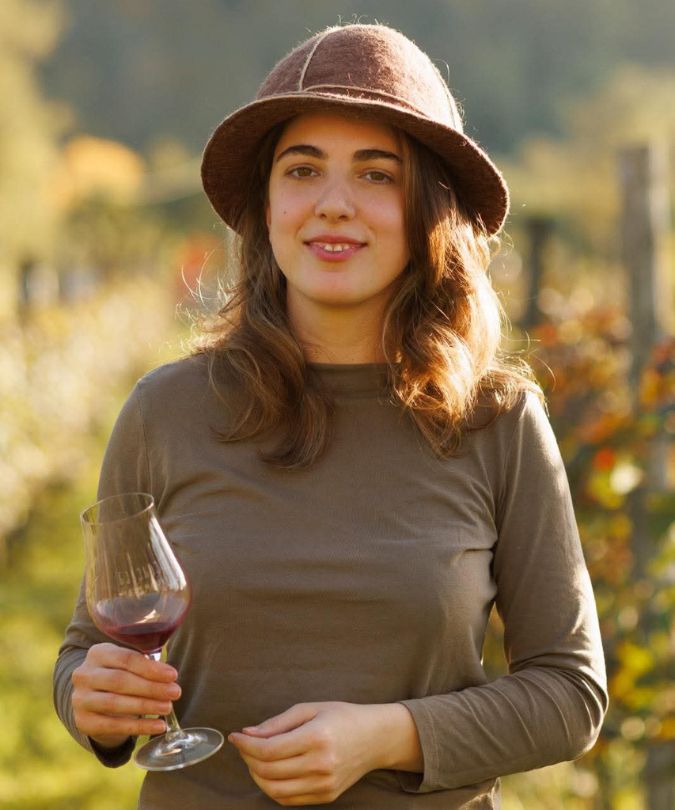
Ana Dokhnadze
Naberauli Wines
First-generation winemaker Ana Dokhnadze decided on her profession at just 15. Studies at the Agricultural University of Georgia were followed by experience in Germany’s Rheingau and further viticultural training with Julio Prieto Diaz of the Food and Agriculture Organization.
Her international experience has strengthened a conviction that now drives her work at Naberauli: Georgian winemakers need to pay more attention to the vineyard. Dokhnadze has worked with indigenous grapes from Kakheti, Kartli and Racha, adapting her winemaking to variety and place rather than following one formula.
One particularly interesting experiment involves Rachuli Mtsvane, a white variety from mountainous Racha. Instead of the shorter skin contact historically associated with western Georgian qvevri wine, she followed a Kakhetian method of fermentation on full skins and solids, producing a more complex, structured expression. Dokhnadze describes the recognition as a young winemaker as both validation of her work and motivation to push further ahead.
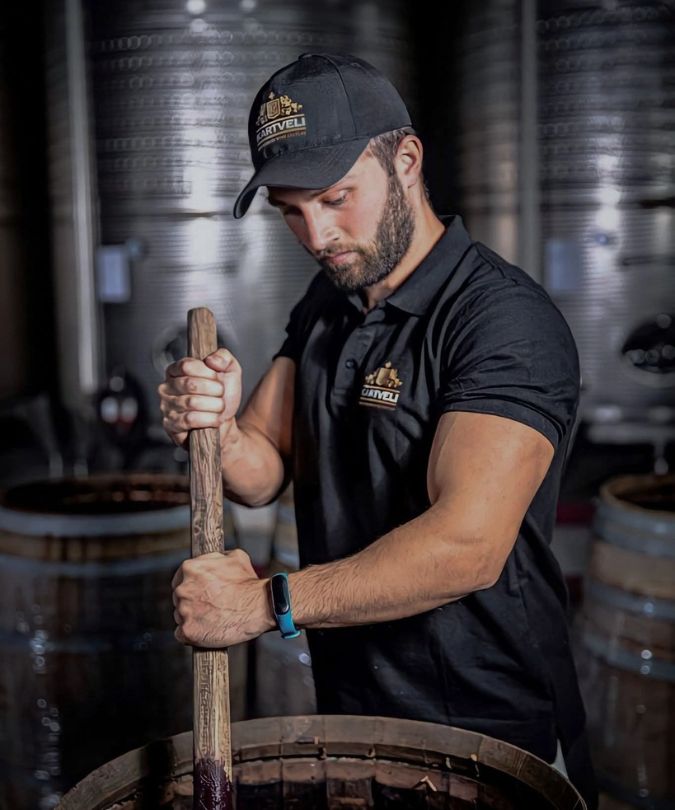
Dito Tavberidze
Kartveli
Dito Tavberidze was introduced to winemaking through an unlikely source: his English teacher’s husband happened to be a winemaker. Although, growing up in Kakheti, Georgia’s largest wine region, surely played its part. After studying viticulture and oenology at the Agricultural University of Georgia, Tavberidze spent a year studying international wine business at Germany’s Geisenheim University and worked two seasons at German wineries.
That experience feeds into his work at Kartveli, where his approach is less about chasing a single fashionable technique than treating each vineyard and wine on its own terms, combining Georgian winemaking experience with contemporary methods.
For Tavberidze, one of the most important challenges facing Georgian wine begins before the grapes reach the cellar: vineyard and fruit quality need greater attention. His favourite variety is Saperavi, Georgia’s leading indigenous red, precisely because of its versatility and ability to produce markedly different styles.
Tornike Matitaishvili
Barbales Marani
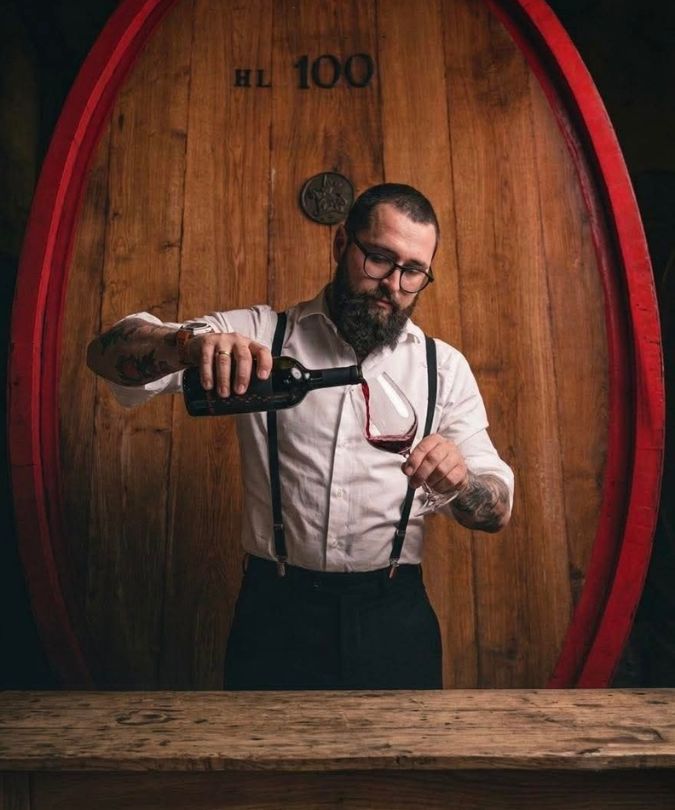
As a graduate of the Tbilisi State Academy of Arts, Tornike Matitaishvili is both artist and winemaker and sees little reason to separate the two. He turned a winemaking hobby into his profession in 2011 and later spent nine years as a winemaker-consultant, working across production, cellar design and harvest planning.
Matitaishvili’s idea of innovation is particularly Georgian: look at the ancestral practices first. He explores the roots of traditional winemaking and uses them as a foundation for modernising processes without losing authenticity. At Barbales Marani, his creative process can be deliberately slow. Wines are often based on fruit from old vineyards and distinctive sites, while experiments may continue over two or three vintages before Matitaishvili and his team settle on the result they want. His favourite grape is Tsolikouri from Lechkhumi, particularly the village of Orkhvi.
His biggest project, however, may combine both careers: a forthcoming ‘wine workshop’, a creative space combining a winery with an art studio.
Giorgi Jmukhadze
Giuaani
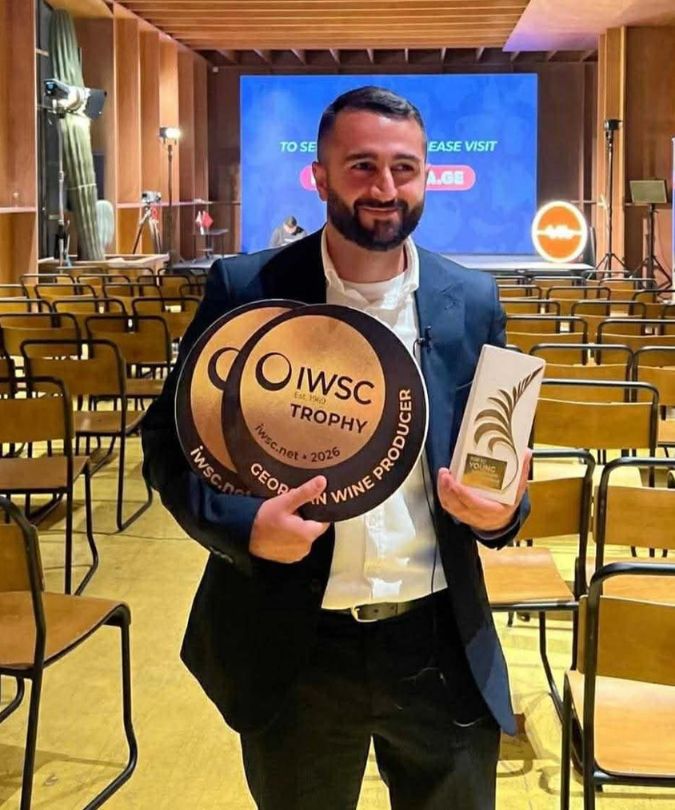
For Giorgi Jmukhadze, now chief winemaker and head of production at Giuaani, wine began in Racha, helping his grandfather in the vineyard and cellar. Formal studies followed at the Agricultural University of Georgia and Caucasus International University, where his Master’s research explored cold maceration in white and rosé wines from the Manavi microzone.
Experimentation remains central to his work in Manavi, at Giuaani Winery. Jmukhadze works across conventional vinification, barrels and qvevri and is particularly interested in transferring ideas between them. This includes using cold maceration for white and rosé wines according to grape ripeness, but also experimenting with cold maceration in qvevri — a riskier proposition that he believes can produce fascinating results.
For him, protecting Georgia’s qvevri heritage means researching and developing it, not simply reproducing ideas from the past. After gaining further experience in Tuscany, he hopes to continue working internationally. His IWSC recognition, alongside Giuaani’s Georgian Wine Producer of the Year award, has provided welcome confirmation that the experimentation is paying off.
Sopho Khutidze
Tsinandali Estate
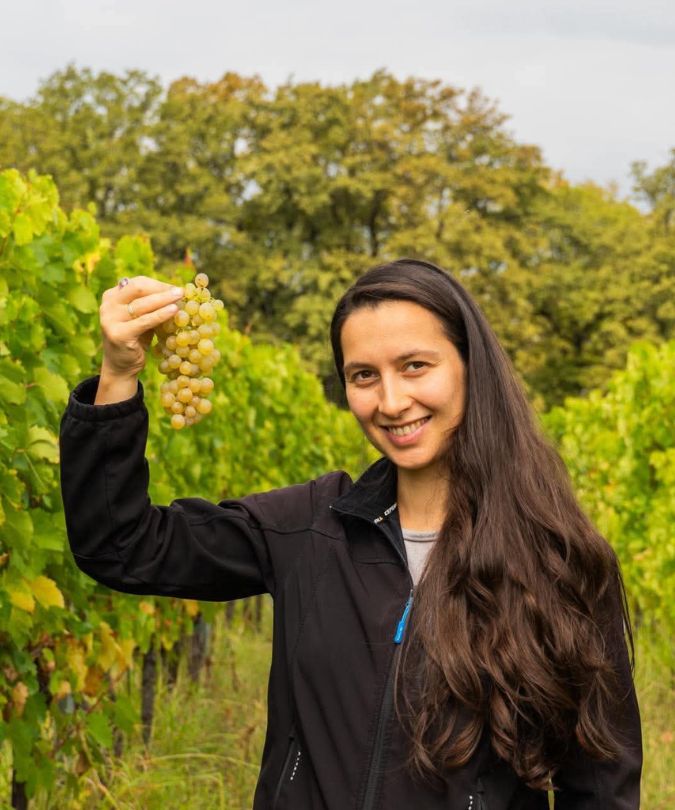
Sopho Khutidze isn’t afraid to question the status quo. After studying winemaking in Georgia and soil biology and geochemistry in Sweden, she has become increasingly focused on the vineyard — and on how much Georgia still has to learn about its own terroir.
At Tsinandali Estate, that questioning spirit extends into the cellar. Khutidze is experimenting with a lighter expression of Saperavi, using gentler extraction and different proportions of whole bunches, intact berries and crushed fruit. The goal is a softer, fresher wine that doesn’t automatically demand a hearty meat dish. She applies similar thinking to qvevri: traditional wines can retain depth and Georgian identity without necessarily being heavy.
Khutidze argues that Georgia’s 8000-year history creates expectation as well as interest; contemporary wines still need to live up to the story. Her long-term mission is equally ambitious: better research into Georgian vineyards and indigenous varieties and, in her own words, making viticulture ‘trendy’.
Giorgi Shiukashvili
Koncho & Co
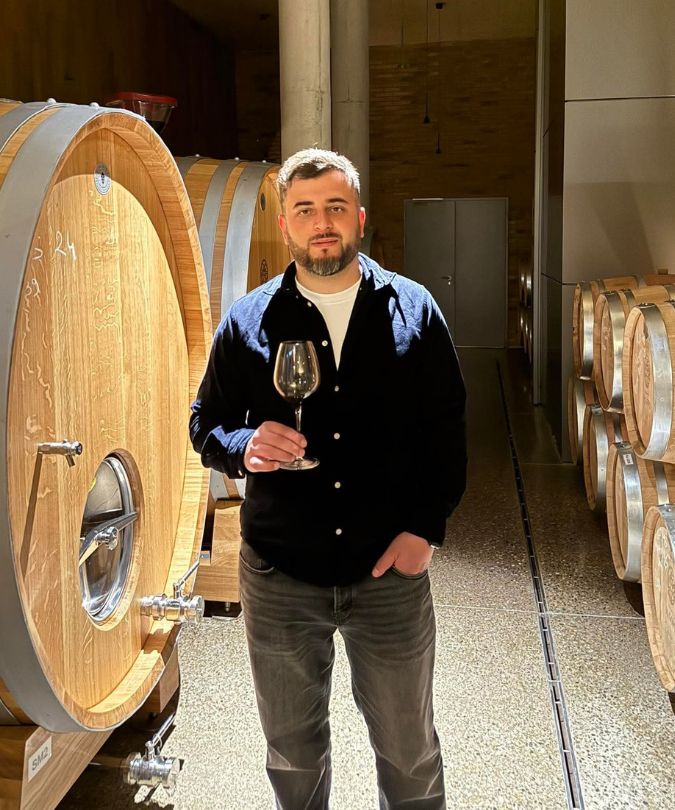
Giorgi Shiukashvili began his wine education remarkably early, enrolling at Tsinandali Wine School in 2011 while he was still at high school. His fascination was ignited by one of wine’s most addictive qualities: no two harvests are quite the same.
At Koncho & Co, Shiukashvili’s focus is on stricter grape selection, precise winemaking technology and making wines that communicate vineyard and terroir more clearly. It is an approach that reflects a broader change among this group of young Georgian winemakers: it is no longer enough to rely on history alone. Shiukashvili wants Georgian wine to demonstrate its credentials through the content of the bottle.
His vision for the winery is therefore deliberately focused: a modern, premium operation where development means refining individual wines rather than chasing volume. Every vintage offers another opportunity to learn, adjust and make the next wine better than the last.
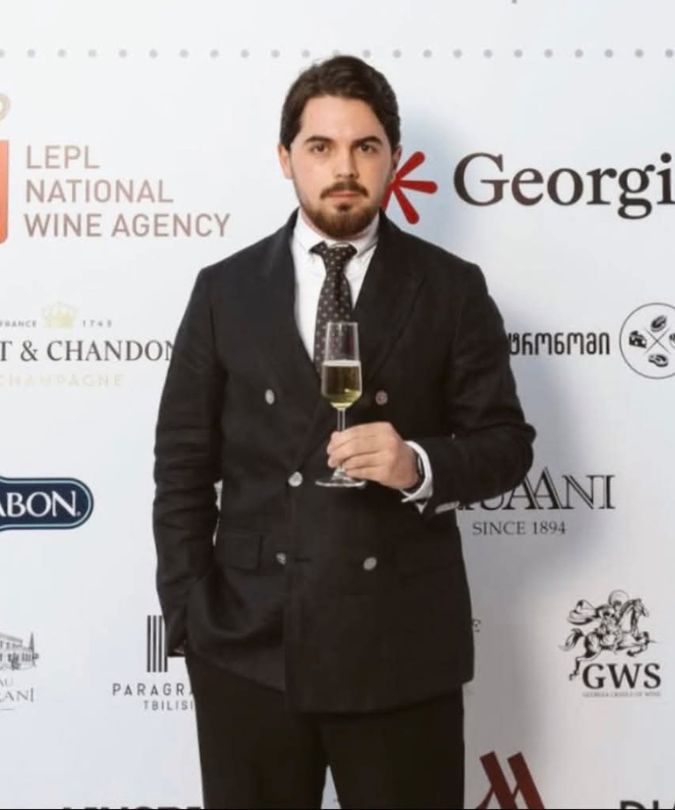
Luka Chikhradze
Monastruli
Working through harvest and production in the Napa Valley exposed Luka Chikhradze to modern technology and different approaches to quality control than those he’d learnt through a formal Georgian wine education. Rather than seeing this as at odds with Georgian tradition, Chikhradze believes the two approaches can work together. At Monastruli, he embraces efficiency and data-driven decision-making without stripping the wines of their Georgian identity.
That balance is particularly important when working with indigenous varieties. Chikhradze sees their diversity as one of Georgia’s greatest assets (his own favourite grape is Aleksandrouli, a red variety associated with Racha, prized for its elegance and aromatic complexity), but also as a significant challenge when it comes to communicating with an international market. Since grapes unfamiliar to most consumers require explanation, consistent quality and stronger branding are essential.
Chikhradze plans to continue gaining international experience, with the aim of creating wines that express Georgia’s tradition and terroir while comfortably meeting contemporary expectations on precision and quality.
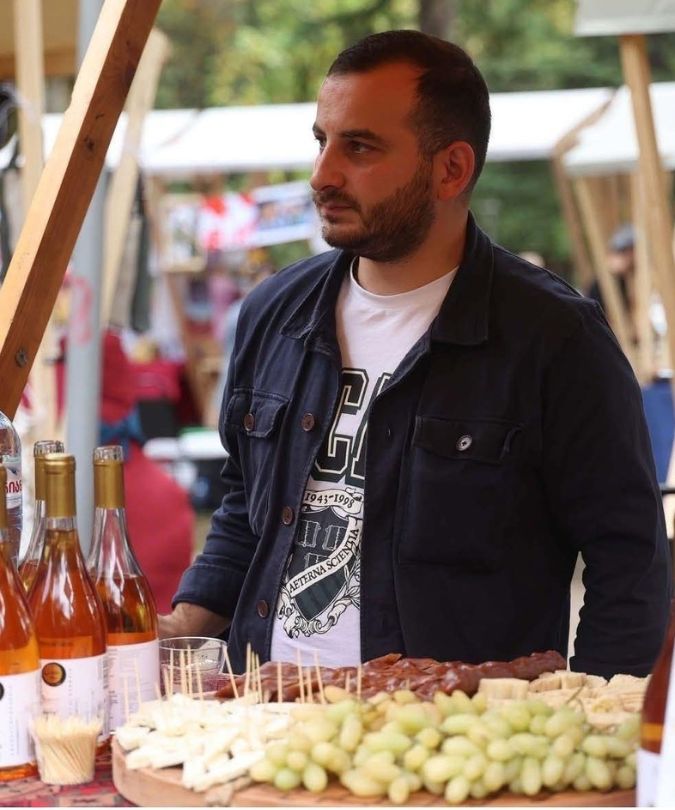
Oto Bibileishvili
Britsa Winery
Experimentation has been part of Oto Bibileishvili’s approach from the beginning, since founding his company in 2022. This is someone who found winemaking through his twin interests in chemistry and agriculture, studying at the Agricultural University of Georgia and later Caucasus International University.
At Britsa Winery, small trials and observations are used to refine production at every stage, with particular attention paid to fruit quality and the decisions that take a wine from grape to finished bottle. Bibileishvili is not interested in making ever more wine. Instead, his plans involve working with a wider range of grape varieties and developing expressions with a clearly recognisable character and style.
Bibileishvili sees Georgia’s indigenous varieties, contrasting terroirs and qvevri tradition as genuine competitive advantages, but only when supported by quality.
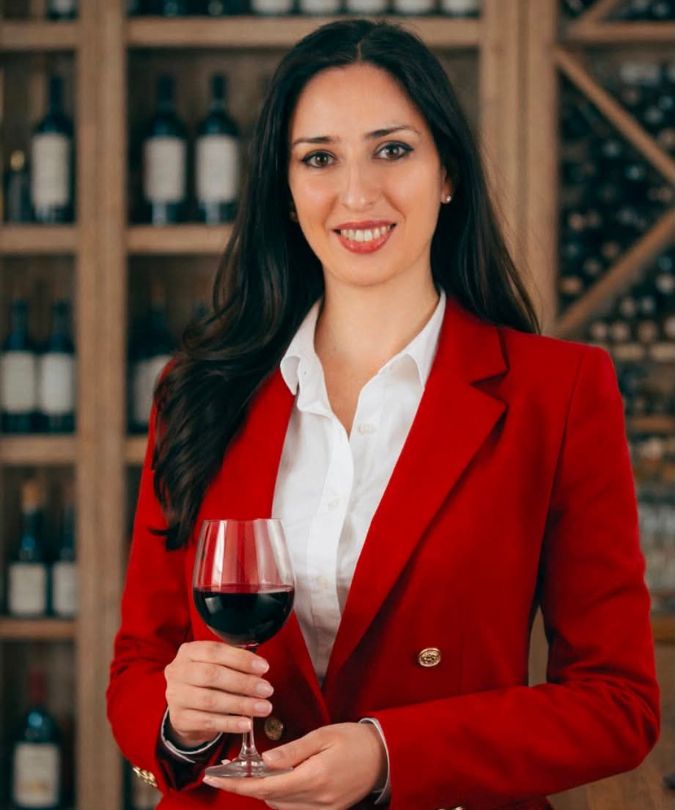
Tamta Aivazashvili
Sisters’ Wine
Arriving in wine from a business background with a Master’s degree in business administration, Tamta Aivazashvili wanted to create something of her own that was closely connected with Georgian culture. In 2017, Sisters’ Wine bottled its first vintage.
The small family winery now produces five indigenous varieties — Saperavi, Kisi, Khikhvi, Kakhuri Mtsvane and Rkatsiteli — as natural, unfiltered qvevri wines made using traditional Kakhetian methods.
Aivazashvili’s contribution extends well beyond production. She is particularly interested in how small Georgian wineries build identities, reach international buyers and turn wine into a wider cultural experience. Wine tourism is another priority. Sisters’ Wine is preparing to officially open its family cellar to visitors, while production and exports are also set to grow. For Aivazashvili, the bigger goal is to make Georgia known not only for ancient wine history but as a modern, competitive wine-producing country.
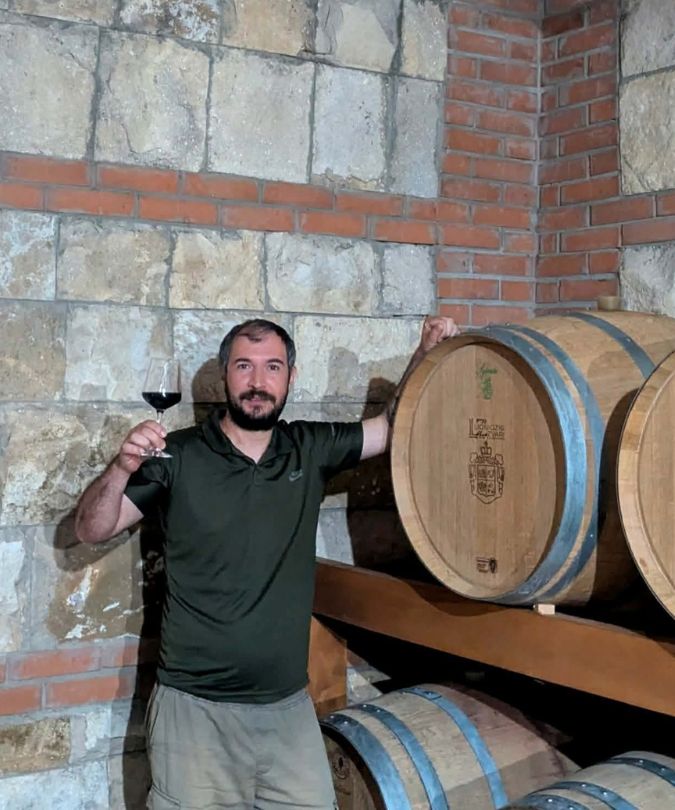
Sandro Chalatashvili
Lionidzis Zvari
Sandro Chalatashvili came to wine via business administration, beverage technology and, eventually, a doctorate in food technology. It’s a combination that makes his approach unusually broad: for him, winemaking sits somewhere between science and creativity.
At Lionidzis Zvari, experimentation extends beyond standard wines to brandy, spirits, liqueurs and fortified wines. Scientific knowledge allows him to manage production through precise technological decisions, while his curiosity keeps pushing him towards new styles.
Chalatashvili is equally interested in what happens outside the winery. He points to inconsistent wine quality in restaurants beyond Tbilisi — including in Georgia’s wine regions — as a problem for both local consumers and visitors. Climate instability and its effect on harvest quality is another increasingly urgent concern.
Saperavi remains the variety that fascinates him most. He is particularly interested in how dramatically it can change between sites only a few kilometres apart. Ultimately, he wants Georgian wine itself to become a reason to travel to the country.