Many of us, particularly those not born into wine-obsessed households, grew up believing one truism: wine was red, white and rosé. Sparkling aside, that was how shops sold wine and how it was categorised in restaurants.
But now more than ever, that distinction no longer holds. Today’s wine world showcases a range of shades more akin to the number visible in a slowly setting sun, rather than three distinct colours. Of course, a rainbow of wines has always existed but it’s taken time for the world to catch up. First, there was the rediscovery of orange wine, initially in natural wine bars and eventually at Aldi. Now it’s the turn of dark rosés and chilled reds; you can’t move for a Poulsard in London, while at Leon & Son, a wine shop in Brooklyn, a Tavel is so popular it’s limited to one bottle per customer.
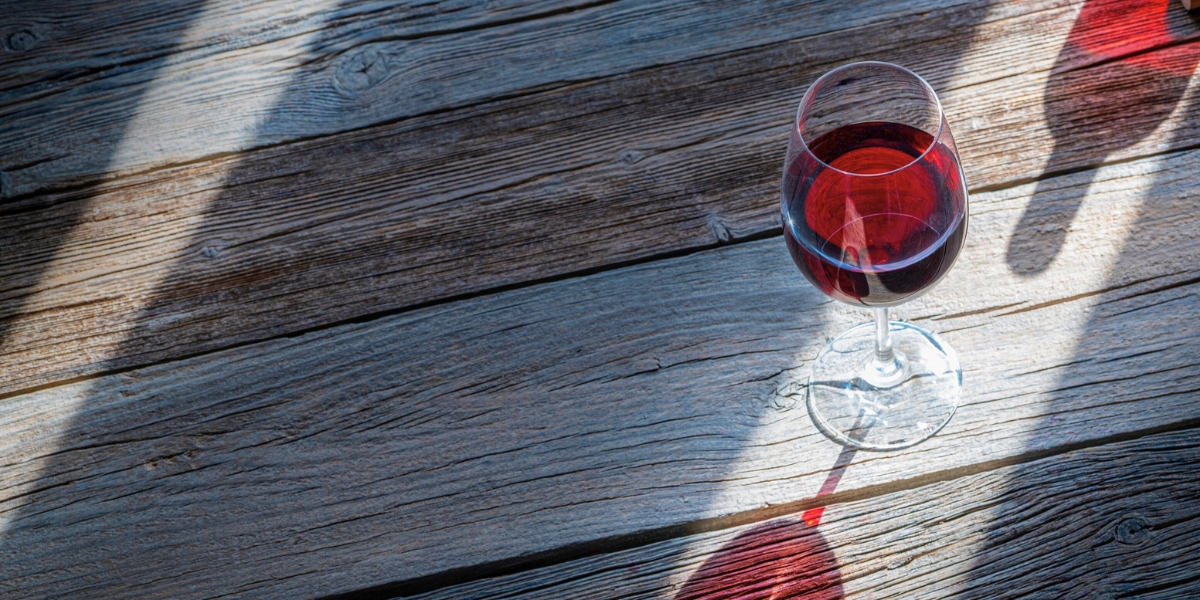
Growing acceptance of darker rosés and lighter red wines has helped pave the way for the revival of clairet. Pronounced ‘klair-eh’, it’s a style made by leaving the juice and skins to macerate for up to 72 hours (less time than red but more than rosé) and fermentation at low temperatures. Clairet can be enjoyed in its youth and, in a world where Beaujolais Nouveau is popular as ever, Bordeaux producers are hoping it can gain similar cult appeal.
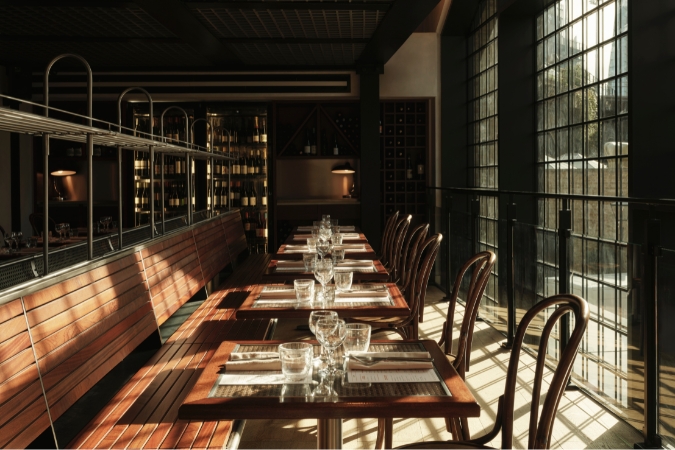
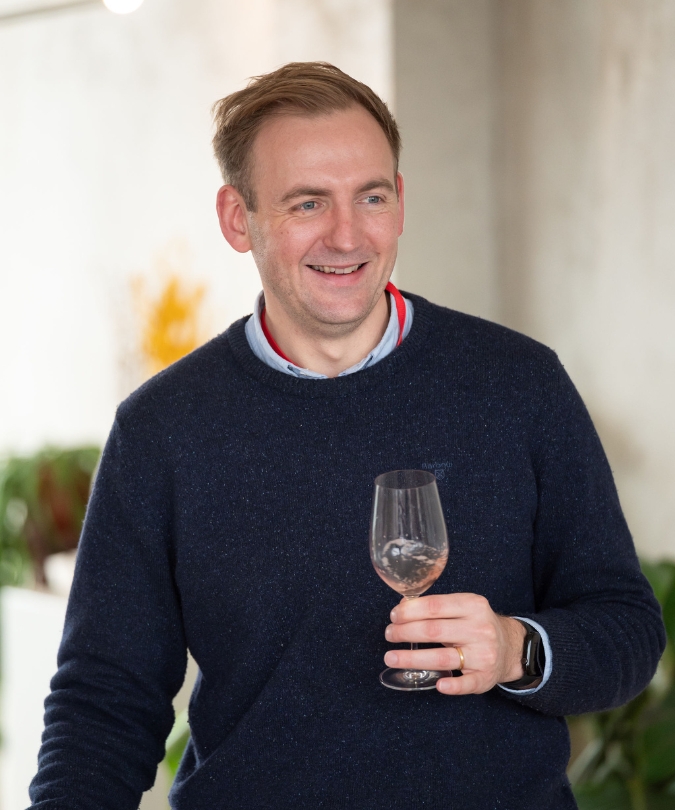
While still not a mainstream style in Britain (it represents 1% of Bordeaux production and most of it is consumed by locals in summer), Cockburns of Leith has stocked clairet for years and it has plenty of fans, says sales assistant Andrew Barr. The Wine Society has recently begun to promote its one bottle, Le Petit Courselle by Château Thieuley, in earnest and Café François in Borough is a rare restaurant flying the clairet flag. ‘It’s a fantastic style of wine that really embodies café culture,’ says head of wine Kieran Andrews. ‘There’s something about sipping a glass of it on the terrace in a classic French wine goblet – it just feels right.’
Andrews describes clairet as having a ‘lovely fruity intensity with minimal tannin – fresh, easy-going and incredibly drinkable. On some bottles, you’ll also notice a subtle floral note. It’s versatile and works well with light dishes or simply on its own.’
In a world where Beaujolais Nouveau is popular as ever, Bordeaux producers are hoping clairet can gain similar cult appeal
According to Vinatis, Bordeaux Clairet AOC is ‘the perfect intermediary between red and rosé wines’ – it sells one called Entre Rouge et Rosé. But Matthew Horsley, The Wine Society’s Bordeaux buyer, considers it a pale red, especially from a sales point of view, due to a lingering ‘stigma about dark rosé’. Fresh and fruity, with notes of blackcurrant and strawberry, Horsley likens clairet to an ‘orange wine made from red grapes. You should get tannin, body, colour but you shouldn’t have that density of tannic structure of a red wine.’
For Brits, Bordeaux is synonymous with claret but the relationship with clairet goes back further. The English supposedly developed a taste for Bordeaux’s wines when Henry II married Eleanor of Aquitaine in 1152 and in medieval times, Horsley points out, preservation and extraction methods were rudimentary; most wine was white or light red. ‘The important thing was fermenting and then getting it out of barrel, selling it and drinking it as soon as possible,’ says Horsley.
The love affair lasted centuries before the production of darker reds flourished thanks to improved winemaking and preservation methods. Claret became a generic name for Bordeaux red, the house wine of stately homes and gentlemen’s clubs but clairet never disappeared. ‘Hardly anybody shouts about it now,’ Horsley admits. ‘Most of it is drunk in France. A lot of producers produce one to drink at home, something they’ll have chilled in the summer, because they don’t want to buy wine from Provence or the Loire.’
There’s something about sipping a glass of clairet on the terrace in a classic French wine goblet – it just feels right
Slowly, however, clairet is getting more attention and people are, at last, starting to shout about it. According to Allan Sichel, president of the Bordeaux Wine Council, a new denomination is coming, one that will see red Bordeaux split into three categories: Bordeaux Rouge, Claret and Clairet. Bordeaux Rouge and Claret will cover what has traditionally been considered ‘claret’, with Rouge representing wines with more depth and tannin than Claret. Clairet will be the lightest after rosé. ‘The idea,’ says Sichel, ‘is to guide the consumer by differentiating lighter Bordeaux wines from the more structured.’
‘Clairet’, Sichel says, ‘is a fantastic product. I find it much more interesting than rosé. It really carries the characteristics of a red wine with a light hint, which makes it lighter and easier to drink, although it has real character and structure. It’s a very appetising wine, easy to drink in many different circumstances, with or without food, with fish, with salad, with a barbecue on a hot day.’
There are practical reasons why winemakers are turning to clairet. France has seen a 38% fall in red wine sales over the past five years, with 15% of Bordeaux vineyards uprooted or abandoned. Drinkers are turning to lighter wines, both in alcohol content and colour. For French wine critic Jérôme Gagnez, clairet has ‘serious assets to seduce a new generation of consumers’.
Horsley says there has been a ‘glut’ of wine in Bordeaux as production outweighs demand and that winemakers must find a way of producing wines that are ‘a bit more relevant to current consumers.’ With the boom in rosé over the past decade, clairet looks like a candidate to fit the bill, bridging the gap between rosé and red.
The wine world is constantly changing; in the 1990s, big, heavily oaked and extracted wines were fashionable, and the current era is arguably defined by a move to greater transparency, elegance and freshness. For Sichel, there continues to be room for powerful wines but also those that ‘taste good, are easy to drink and you don’t have to think too much about. Clairet provides an answer to that growing trend.’
Five clairets to try
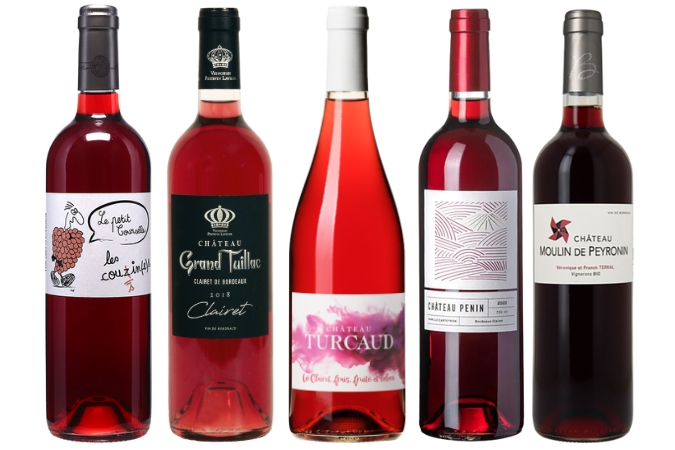
- Château Thieuley, Le Petit Courselle, £10, The Wine Society
- Château Grand Tuillac, Clairet de Bordeaux, £15, Cockburns of Leith
- Château Turcaud, Bordeaux Clairet 2023, £11, Vinatis
- Château Penin, Bordeaux Clairet 2024, £15, WoodWinters
- Château Moulin de Peyronin, Bordeaux Clairet 2024, £8 per glass at Café Francois