Say the words ‘American whiskey’ and another follows closely in the same breath: ‘bourbon’. Despite only receiving official designation in 1964, the majority-corn-whiskey style – honed over centuries, revolutions, migrations, wars, Prohibition – that calls Kentucky its home has become famous as one of the USA’s most loved exports.
The last 20 years or so have seen a boom in bourbon, with barrels filled four-fold, single barrel and small-batch expressions taking it to a premium level and globalism opening the world up to the brilliance of bourbon. It’s now a billion-dollar business.
But while bourbon might be the poster child, there is far more to the story of American whiskey than this single category. And during this year’s IWSC North American Whiskey & RTD Judging in Kentucky, I was lucky enough to taste how its, perhaps lesser-known, contemporaries in the UK – single malt, wheated whiskey, blends – have focused on developing a sense of identity, making the variety of styles and flavours in American whiskey even more exciting.
Often characterised for its spicy character, rye has been a welcome alternative to bourbon for quite some time
‘There’s a noticeable emphasis on regional character, with producers highlighting local grains and the influence of specific climates,’ says HighWest’s director of sensory and product development, Tara Lindley. ‘Distillers are experimenting with a range of grains, including heirloom varieties, to unlock new and interesting flavour profiles. This willingness to explore and push boundaries is helping American whiskey evolve in exciting ways.’
Keeping an eye on rye
There is one category that has been going from strength to strength for quite some time: rye whiskey. And 2025 was another stellar year for ryes in all their myriad forms, from Indiana’s Pinhook to Kentucky’s Frank August. Often characterised for its spicy character, rye has been a welcome alternative to bourbon for quite some time. ‘My first brew was mashing rye at St. George nearly 20 years ago,’ explains head distiller and blender Dave Smith. ‘There’s a texture to rye that demands you to chew on each sip. There’s just nothing like it.’
Rye is also opening up opportunities in mixed drinks too, says Lindley: ‘Rye whiskey presents an intriguing alternative in cocktails where you might be more likely to see bourbon,’ she explains, citing the Old Fashioned as a good use of the distillery’s Double Rye.
Best of the rest
Single malts, Tennessee whiskeys, blends and wheated whiskeys all shone at the judging too. Single malt (which only received official recognition as a category earlier this year) was a wonderful example of just how expressive locally grown grain can be and highlighted how widely it is being made, with whiskeys coming from Virginia to New York, Colorado to Massachusetts.
‘Other categories can get bogged down by years of tradition and consumer expectations but American single malt is very much free from constraints like that, so there’s still a lot of runway and potential for experimentation,’ explains Lance Winters, master distiller at St. George Spirits, which this year celebrates 25 years of making single malt with its Lot 25 bottling.
But even within rye, there are so many extraordinary variables. Over at Peerless Distillery in Kentucky, a sweet mash is used instead of a sour mash, retaining more of the cleaner sweet and floral flavours of the raw material, and its Double Oak is transferred twice into new charred American oak. ‘I love starting [distillery visitors] with our double oak rye, especially if I can do it blind,’ explains head blender, John Wadell, ‘because a lot of people don’t even recognise that it’s a rye. I think one thing we’ve done here is open people’s minds or thoughts about rye.’
As for the future, American whiskey is on an exciting trajectory when it comes to flavour diversity
Tennessee whiskey, winning fame via Jack Daniel’s but also made by the likes of Old Dominick Distillery, uses the same classification as bourbon but uses the trademark Lincoln County Process where the whiskey is filtered through maple charcoal. Blends such as 15 Stars’ The Kings takes numerous styles like bourbons, rye and wheat whiskies and deftly balances the key profiles: ‘I love blends that are transparent about what goes into a bottle,’ says St. George’s Smith. ‘Transparency, experimentation and pride in the distillers’ work is exciting to me.’
Speaking on wheat whiskies, the likes of Star Hill Farm from Maker’s Mark – a brand new release – is showing just how characterful and textured strains such as soft winter wheat can be. ‘Its finish is much softer than rye, so it’s very approachable,’ explains Smith.
As for the future, American whiskey is on an exciting trajectory when it comes to flavour diversity: ‘There will be an increased focus on innovation, particularly with alternative grains, as distilleries seek new flavour profiles and differentiation,’ predicts Lindley. While the tradition, heritage and identity of bourbon is always to be celebrated and respected, there is still room for experimentation in an ever-freer American whiskey landscape. Winters is excited: ‘When you’re not handcuffed by tradition, you’re free to create things that no one has experienced.’
Five non-Bourbon American whiskeys that shone at the IWSC judging in Kentucky
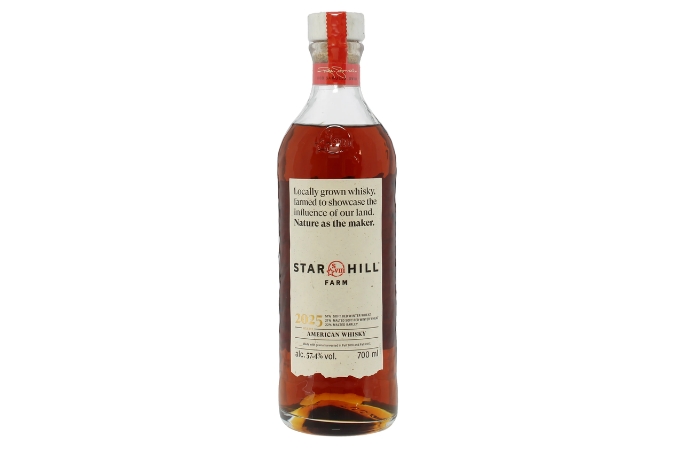
Maker’s Mark, Star Hill Farm
This wheated whisky is the result of the first new mashbill from iconic Maker’s Mark distillery since 1953 – and it was worth the wait. A celebration of soft red winter wheat, this whisky is all cherry pie, brown sugar, cooked apple and black tea – and at 57% ABV, it’s a bold but beautifully balanced whisky. 98 points
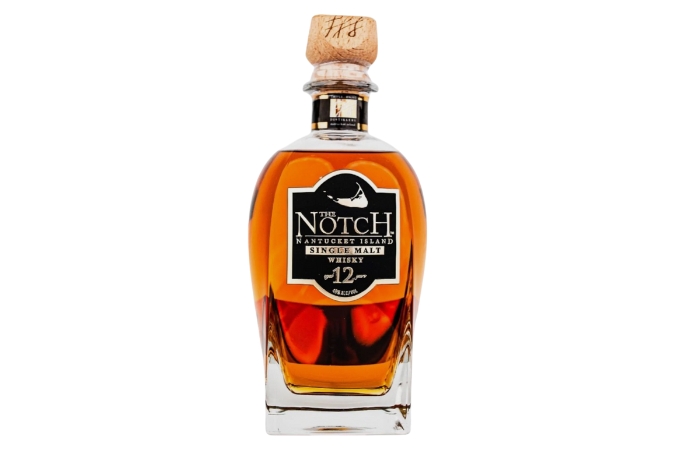
Triple Eight Distillery, The Notch Nantucket Island Single Malt Whisky 12 Years Old
All the way from Massachusetts, this single malt is made using 100% Maris Otter barley and aged for 12 years in a coastal climate. A two-hander of spice and nuts, this is packed with star anise and peanut brittle, cardamom and pecan, with the warmth of black pepper. 98 points
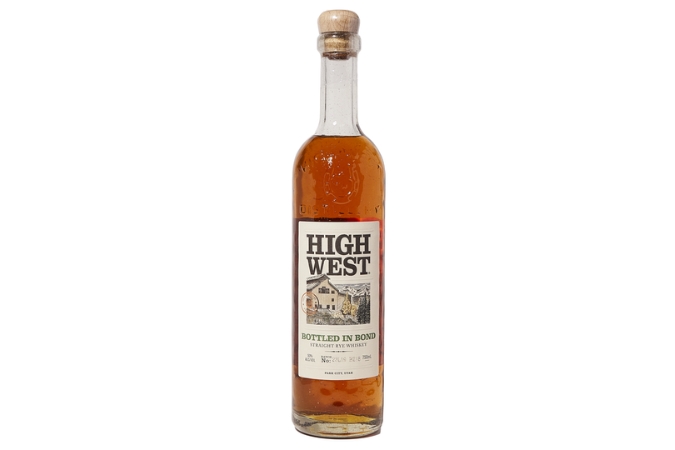
High West, Bottled-in-Bond Straight Rye
One of America’s most picturesque distilleries, High West in Utah has made a name for itself with its rye expressions. This Bottled-in-Bond Straight Rye uses both malted and unmalted rye and has been aged for six years. Refreshing and soft, it is cereal-forward and bright with citrus and apricot. 96 points
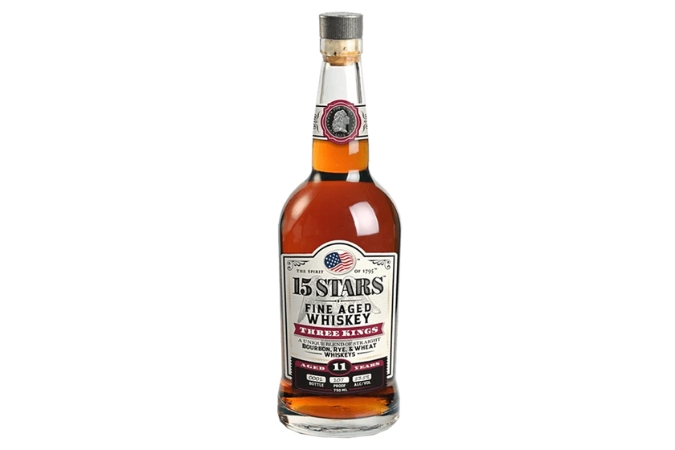
15 Stars, Three Kings Whiskey
Founded in 2021, 15 Stars in Kentucky set out with a progressive approach to whisky-making, sourcing and blending. Three Kings Whiskey is a blend of bourbons, rye and wheat whiskeys from Kentucky and Indiana. The result? Manuka honey, nectarine and eucalyptus with lingering salted toffee. Intriguing, indeed. 95 points
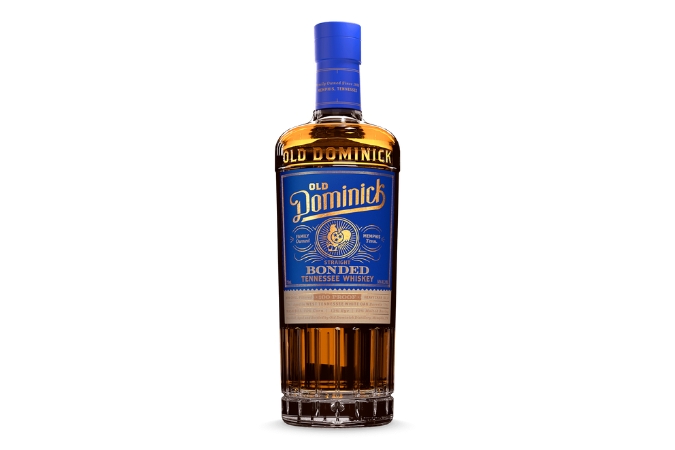
Old Dominick Distillery, Bonded Tennessee Whiskey
An homage to the style of Bottled-in-Bond whiskey, this Tennessee whiskey from Memphis’s Old Dominick is made using 75% corn, 13% rye and 12% malted barley. There’s a nostalgia to this whiskey, which is reminiscent of frosted cinnamon rolls with a lift of menthol and applewood in the background. 90 points