Port, as every wine lover knows, is named after Porto, the Portuguese city that lies at the mouth of the River Douro. Barrels of vinho do Porto were traditionally transported through the Douro Valley by flat-bottomed barges called rabelos, before being aged in ‘lodges’ – the local name for the port warehouses – and exported by ocean-going ships via the Atlantic.
But admire the view from one of the many magnificent vantage points in Porto’s city centre (a UNESCO World Heritage Site) and it is immediately apparent that the giant illuminated signs advertising the port houses are not, in fact, in Porto. The 20 or so lodges are all in Vila Nova de Gaia, a separate city on the south bank of the Douro. And one of those lodges is now a new luxury hotel, the Tivoli Kopke Porto Gaia.
Kopke may not be the biggest name in port but it is the oldest. The house was founded in 1638 by Hamburg merchant Nicolau Kopkë, making it somewhat of a rarity in the world of port for bearing a family name that isn’t British. Now Kopke has partnered with another distinguished Portuguese brand, Tivoli, and converted its lodge into a 150-room hotel.
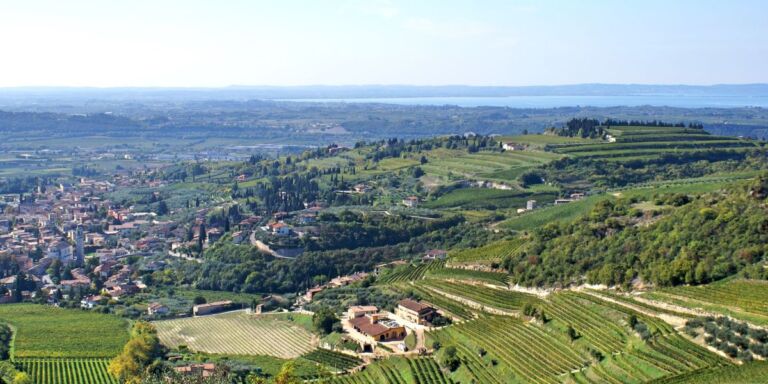
Kopke has been welcoming guests to its Vine House hotel, idyllically located on its Quinta de São Luiz estate, with spectacular views of the Douro Valley, since 2022. The Tivoli partnership is on a far grander scale but it still feels personal rather than promotional, despite the profusion of hand-painted, wax-sealed Kopke bottles on display around the property.
Yet even without the floor-to-ceiling displays of fortified wine, there would be no mistaking the heritage of the hotel. Guest rooms are in three wings called White, Ruby and Tawny, and room numbers are punched out of brass in the same font as the chalk labels on Kopke port barrels. Interiors are decorated in earthy shades of burgundy and brown and hung with vintage photos of port-making.
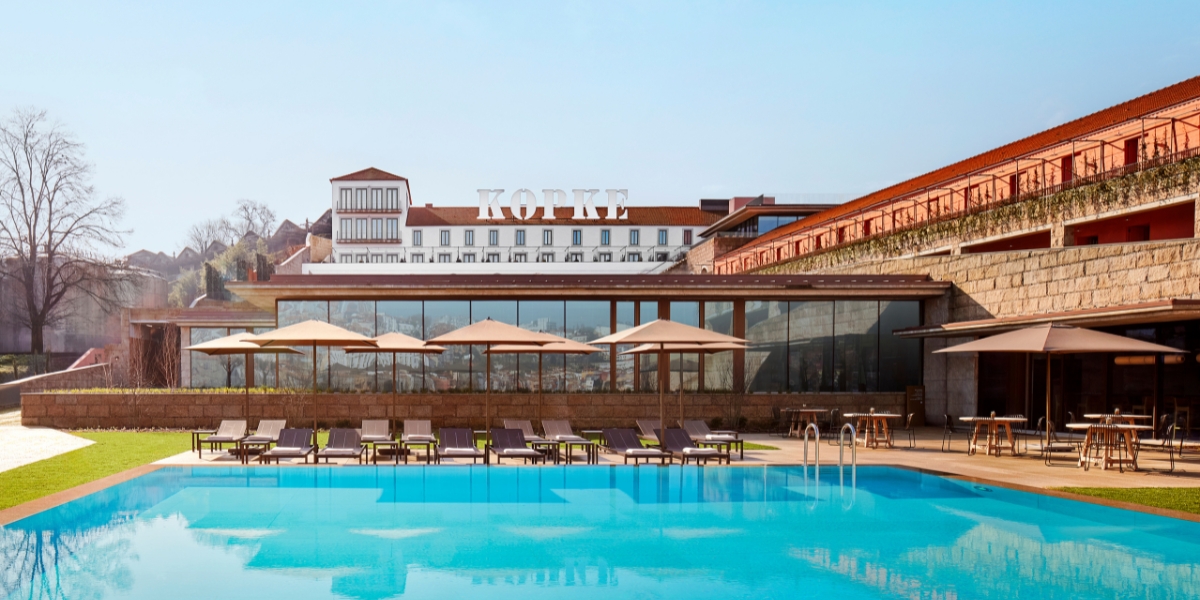
Barrels of port – more than two million litres – can be seen ageing in the refurbished, early-20th-century cellars, but sleek modern touches such as contemporary art, polished concrete floors and chic spiral staircases stop the hotel from feeling twee; the overall vibe is a successful blend of classic and contemporary. Outside, the garden terraces surrounding a large swimming pool are designed to echo stepped vineyards clinging to the steep slopes either side of the Douro further up the valley.
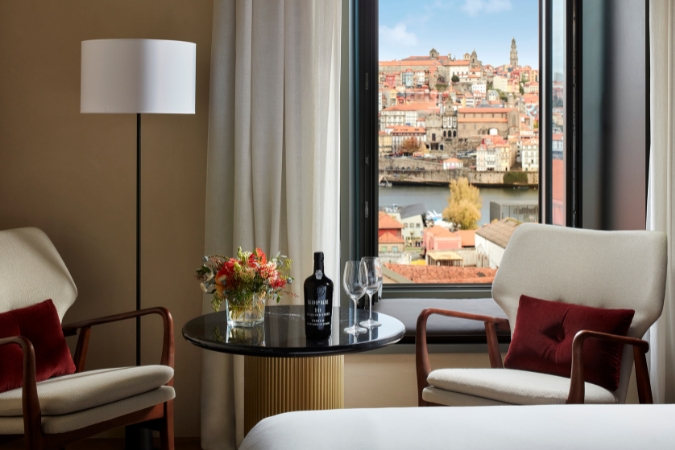
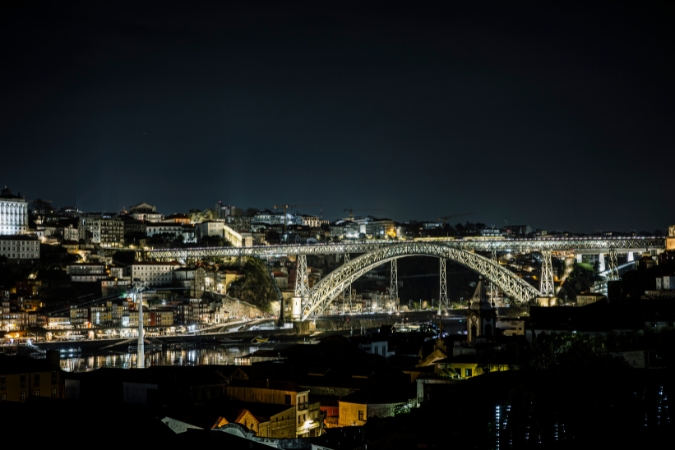
As for the Douro downstream: there are terrific views of the river from many of the guest rooms and almost all the public areas, whether through the wraparound windows of the bar, restaurants and spa, or from a poolside lounger outside. Stepping out onto the balcony of my room (a Deluxe Terrace River Room), I’m greeted by a panorama of the iconic Luíz I Bridge elegantly arching over the river, the pastel-coloured buildings of Porto’s Ribeira old town stacked like jars of sweets on the opposite bank.
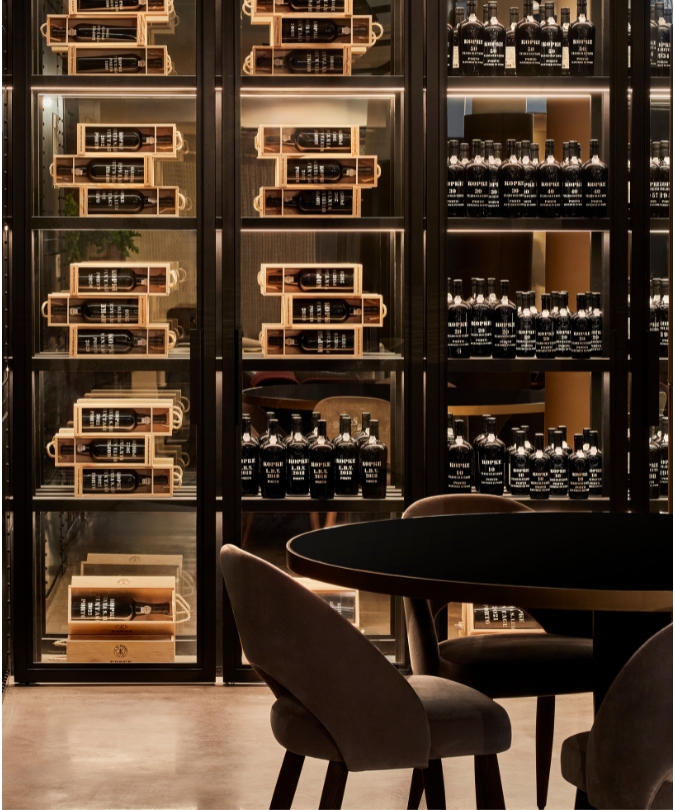
‘We’re absolutely delighted with the new hotel and everything it represents,’ Pedro Braga, Kopke Group’s CEO, tells me over a white port and tonic in the hotel’s bar, surrounded by display cases of wine for sale stretching back to a 1934 colheita, the style of single-harvest wines that are Kopke’s signature. The bottles are available to drink in the bar or at ‘cellar prices’ for guests to enjoy in their rooms; retiring for the night to have a glass of old port while looking out over the lights of Porto is to be recommended.
Income from wine tourism now accounts for a quarter of Kopke’s sales, so the new hotel feels like a sound investment. ‘Our aim was to create a hotel that truly reflects the spirit of Kopke,’ Braga explains, ‘while honouring the rich history of this important port house. We’re also thrilled about our partnership with Nacho Manzano.’
The chef might be most familiar to British readers for his time spent heading up tapas-chain Ibérica, but in Iberia itself, Manzano is a big deal indeed, holding three Michelin stars for Casa Marcial in his native Asturias in northern Spain. Here in northern Portugal, he’s overseeing the hotel’s fine-dining 1638 Restaurant and its tasting menu of 11 ‘moments’, many of which I wished had lasted for far longer than a couple of mouthfuls.
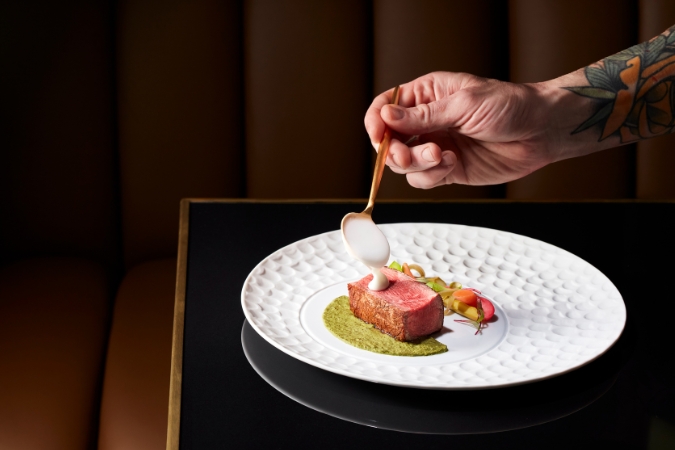
Take the dish enigmatically described on the menu as ‘pasture cantabric orchard open-air,’ which arrives as sirloin presented on a beautiful white plate, the porcelain dimpled as if from a hundred thumb prints. The salt-scattered beef half rests on a vividly green seaweed pesto, some artfully arranged pickled micro veg on the other side of the plate, and a spoonful of glossy pil pil and beef emulsion sauce ladled over the top. Each flavour in the dish amplifies everything else on the plate: gamey meat, sharp veg, saline pesto, creamy sauce.
Wine pairings, naturally, are from the Kopke portfolio – not only the expected ports such as a 1985 colheita to match rice pudding topped with a disc of caramel crust inlaid with black truffle, but also still wines from the Quinta da Boavista and Quinta de São Luiz estates. If you only try one, ask for a glass of the exceptional São Tinto Cão Rosé 2023, an elegantly poised mouthful of summer pudding.
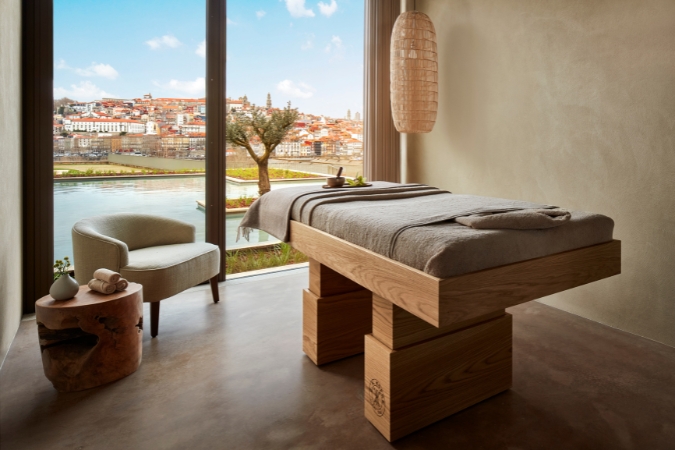
There are more structured tastings in the hotel’s cellars, with the opportunity to try three or five wines matched with snacks and a sommelier on hand to offer advice. More unusual ‘pairings’ take place in the hotel’s spa, which includes four treatment rooms, a sauna, steam room and hydro-pool: a range of treatments, such as the ‘Vintage Goddess’ and ‘Essence of Kopke’, incorporate scrubs made of granulated cork and grape seed oil from port production, ‘aromatic cork stoppers’ and wine-infused candles.
For the ultimate Kopke matching, however, head to the riverfront Casa Kopke, where tutored tastings, including an ‘Excellence’ sampling (€78) of vintage white, tawny and colheita ports, come with another stunning view of the Luís I Bridge.
From here, it’s a short walk to the bridge’s lower level and, once over the river, an amble up through the cobbled alleyways of Ribeira to take in the view from the Miradouro da Rua das Aldas, an observation terrace below Porto’s Romanesque cathedral. For a different perspective of rooftops and river, head back to Gaia across the top level of the Luís I Bridge as trams rumble past, gently shaking the ironwork constructed in 1880 by Théophile Seyrig, a disciple of Gustave Eiffel.
As you stroll back to the hotel through the winding streets of Vila Nova de Gaia, passing the lodges of Fonseca and Warre’s, Taylor’s and Cockburn’s, and the World of Wine museum, you’ll never again make the mistake that port is from Porto.
Prices start at €273 per room per night, tivolihotels.com