Surrounding the elegant, culturally rich and romantic Shakespearean city of Verona, and only a stone’s throw from some of Italy’s most visited destinations, such as Venice and Lake Garda, lies Valpolicella – an enchanting region that offers charming old villages, verdant hillsides, great food and a millenary wine heritage.
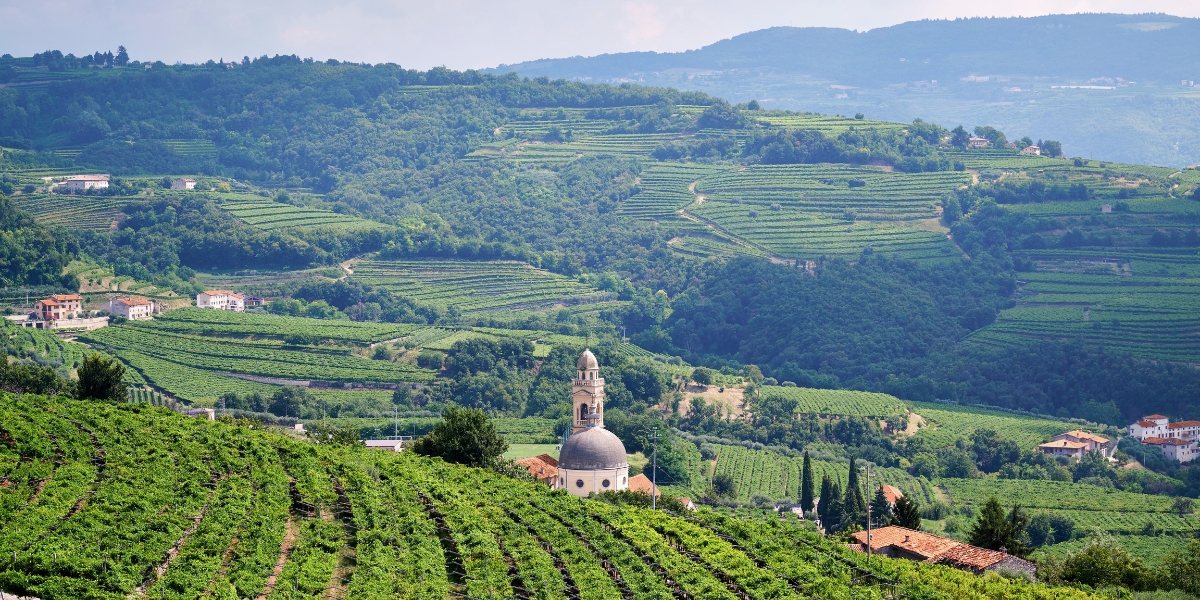
Centuries-old vineyards and world-class wines such as Ripasso, Amarone, Recioto, and the namesake Valpolicella, make the region a mecca for wine enthusiasts. Vineyards blanket much of the landscape, stretching across Valpolicella’s characteristic rolling hills. Vines are often cultivated on distinctive man-made stone terraces known in the local dialect as marogne. Vineyards here are also found at lower altitudes, alongside peach and cherry orchards.
For a deeper appreciation of wine within the region’s rich social and historical context – and to foster more meaningful connections with the local community – Valpolicella is best explored at a slower pace than that of many Italian tourist hotspots. After all, wine here is not a mere commodity, it is a defining element of the region’s identity – fast-paced tourism simply cannot do it justice.
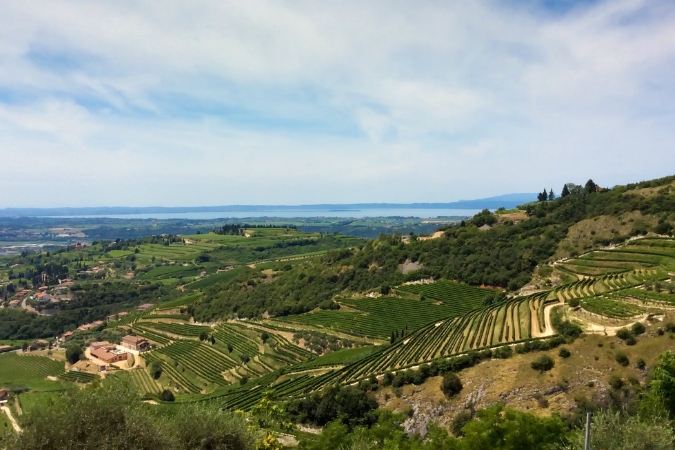
The region’s growing range of sustainable travel choices, including horseback rides, bicycles and e-bikes makes a slower and more relaxed approach more practical, with many wineries easily accessible via the region’s official cycling routes. Alternatively, wine lovers can opt for scenic hikes along Valpolicella’s well-marked trails. With nearly half of all vineyards in the area now holding sustainable certifications, these options offer wine travellers a meaningful way to support local producers in their efforts to protect the environment and preserve biodiversity, as well as maintain the natural beauty of the region and its centuries-old winemaking traditions.
Indeed, the respect that Valpolicella’s winemakers have for their land – and their intrinsic cultural connection to it – is rooted in a winemaking heritage that stretches back thousands of years. Nothing speaks more powerfully of this millennia-old winemaking tradition than the continued use of the appassimento method, the practice of partially drying the grapes after harvest that gives Amarone its unique and iconic character. The appassimento technique, originally developed to extend the longevity of grapes and wine, is one of the oldest winemaking practices in the world, so its survival in this area stands as testament to Valpolicella’s vinous heritage. It is a rare window into living winemaking history that travellers can experience first hand when visiting the local cellars.
Wine here is not a mere commodity, it is a defining element of the region’s identity
Many wineries still boast traditional fruttaio – special drying rooms where grapes are left to dry for around 100 to 120 days on arele, the typical wooden and bamboo racks that provide ideal conditions for the appassimento process. Today, these are often complemented by modern drying systems, showing how Valpolicella’s vintners continue to evolve with the times while preserving their ancient traditions.
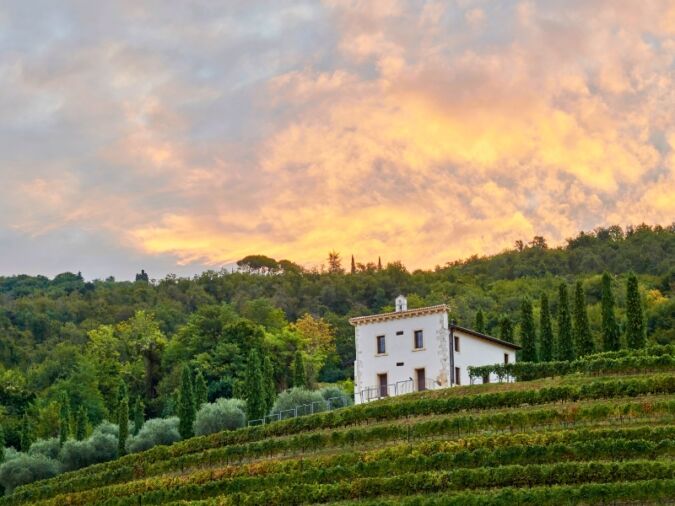
To gain a deeper appreciation of Valpolicella’s winegrowing culture, winery visits are best complemented by the region’s food and the exploration of its many historic villas dotted across the hills. These often offer beautifully manicured gardens and are situated near some of the region’s most renowned wineries.
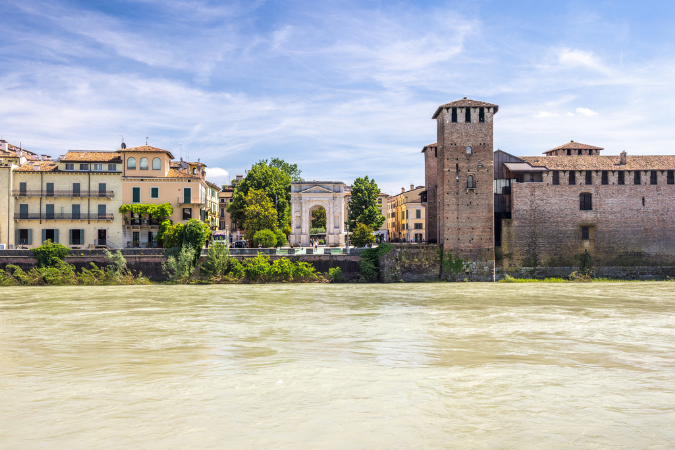
No trip to the region would be complete without a visit to the city of Verona itself, conveniently located just a short distance from some of northern Italy’s best-connected airports and most iconic destinations, including Milan, Venice, the Alps and the breathtaking Lake Garda. Verona’s stunning Arena, one of the best-preserved Roman amphitheaters in existence, has been drawing music lovers from around the world every year since 1913 for the renowned Opera Festival. But the city offers many more wonders than the remnants of its Roman past: from the picturesque Ponte Scaligero to the vibrant Piazza delle Erbe, the Duomo, and the elegant Palazzo Maffei, Verona is rich with architectural treasures.
Conveniently for wine-loving explorers, as they wander the cobbled streets connecting these iconic landmarks, they are never far from a wine bar or shop showcasing impressive selections of Valpolicella wines, from structured Ripassos to lusciously sweet Reciotos. Oreste dal Zovo, for instance, has been a Veronese fixture since the post-WWII years. Now run by the second generation, it continues to attract a steady stream of oeno-enthusiasts seeking expert recommendations and rare finds.
From Verona to its surrounding hills, Valpolicella offers rich, multifaceted, and immersive experiences for culturally adventurous hedonists. Here, visitors are never far from history, breathtaking landscapes, and exquisite gastronomic journeys, just as they are never far from some of the world’s finest wines.