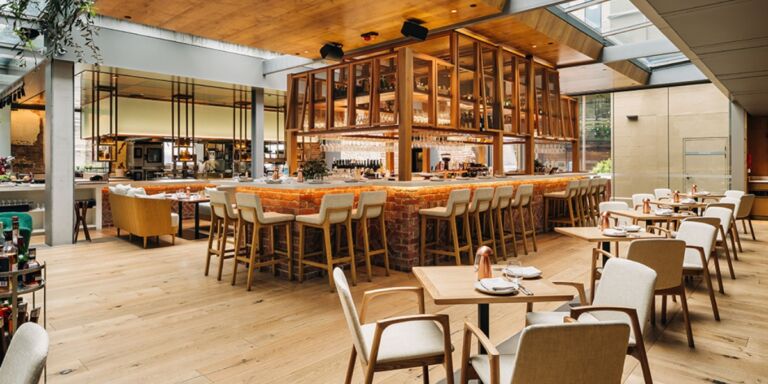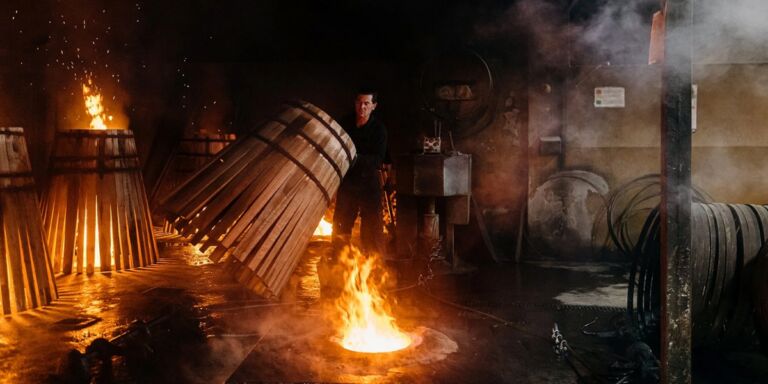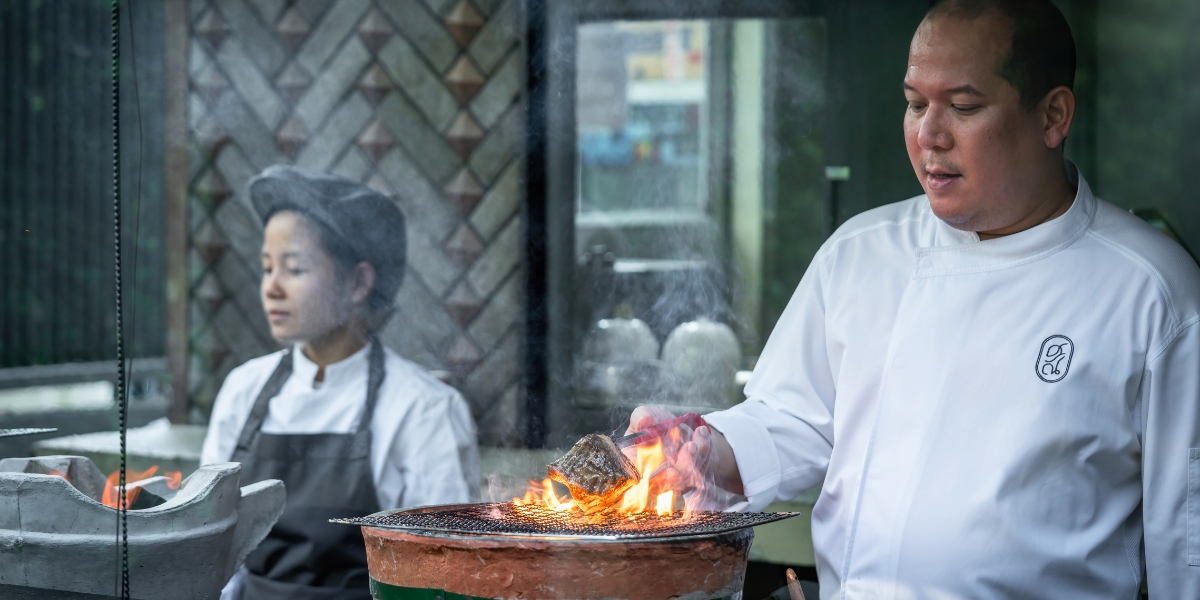
The city was still under military rule, gatherings were monitored and Bangkok’s fine-dining scene still revolved around sushi counters, foie gras and white tablecloths. The most progressive cooking was Indian, not Thai – but a new energy had begun to form beneath the surface. At restaurants like Bo.lan and Nahm, chefs were quietly reasserting Thai cuisine’s place among the world’s finest. Ten years on, Bangkok’s dining scene still flickers with more of everything it had in 2015 – only now, the real fire is local.
Michelin arrived in Bangkok in 2017, and today, among the 35 restaurants awarded one or two stars, 26 establishments focus on Thai cuisine. The hottest of these is Sorn, both figuratively, as Bangkok’s first three-Michelin-starred restaurant and most difficult to book, and literally, in its unapologetic embrace of Thai heat. The restaurant’s signature dish, for instance, is a sweat-inducing blue crab stick with chilli paste and mud crab roe, cooled only by a sweet prawn broth that arrives immediately after. Before chef Supaksorn ‘Ice’ Jongsiri opened Sorn in 2018, he spent years exploring all 14 southern provinces to craft a menu that’s brilliantly simple, soulful and precise, weaving spellbinding aromatics with produce so good it moved me like Wong Kar-wai’s In the Mood for Love.
Sorn’s philosophy is not to reinvent but to honour and reflect Thai ways of eating
‘Southern Thai cuisine is my memory, my identity and my home,’ Ice tells me. ‘If I covered all of Thailand, it would be like visiting famous places in a documentary – “this is famous for sugar,” or “this is famous for fish sauce” – but focusing on the south is more about uncovering hidden techniques, hidden gems, lost cooking arts and rare ingredients. It’s like a treasure hunt.’
Sorn’s philosophy is not to reinvent but to honour and reflect Thai ways of eating. ‘Putting caviar on it,’ he says, ‘is not Thai food for me. Even if it grows in Thailand, if you put asparagus in the dish, it’s not Thai food.’ The aim at Sorn is to achieve a far subtler shift from everyday Thai cuisine, and, as a result, the architecture of the meal itself is closer to an ordinary Thai meal. It begins with progression of dishes, such as an awe-inspiring Andaman squid skewer cloaked in goth-black ink, stuffed with tender lobster and eggplant, and a raw seafood plate of strikingly fresh blue crab, snail and rainbow lobster.
But following that, the main event is centred around charcoal-steamed rice alongside a procession of dishes, from stink bean with redtail catfish to southern curry beef, and morning glory. The kaleidoscopic table is completed with condiments, bitter leaves, herbs and fruits, inviting diners to mix, match and layer flavours as dishes come. After desserts, a trolly of Thai sweets concludes the meal, echoing the vast textures and flavours of Thai confectionery.
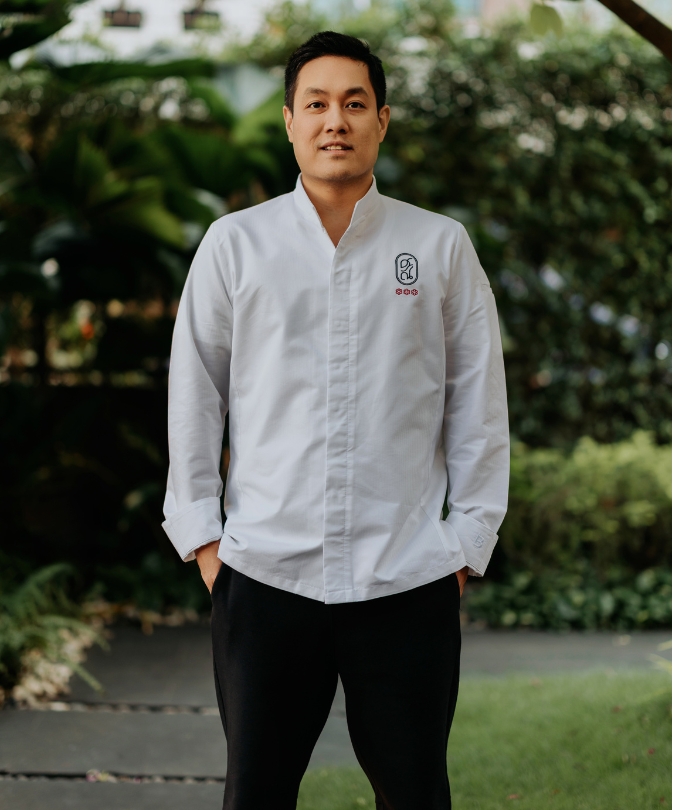
At Sorn, Thai cuisine is offered with barely a trace of French influence, serving fiery, deeply rooted dishes that invite you to experience the refinement of tradition. ‘I want to show Thai cuisine in the most authentic form but still worthy of the world’s attention,’ Ice says, ‘without needing to soften it or adapt.’
Another restaurant taking this approach is Samrub Samrub Thai, where chef Prin Polsuk researches old cookbooks, temple manuscripts and family kitchens with the aim to showcase ‘how much diversity and complexity exists within Thai cuisine,’ Polsuk says. Drawing attention to lesser-known dishes like lon tao jiao (a fermented soybean relish) and Southern-style curry with smoked fish and mangosteen, he’s ‘just trying to bring them back to the table in an honest way,’ he says, with the overall aim to demonstrate how Thai food isn’t just about heat but rather ‘balance, variety, and a sense of harmony in the way dishes are served together.’
At Sorn, sourcing is as important to sincere depiction and storytelling – and this aspect reflects a broader, defining Thai and global fine-dining in the city. Ingredients are hyper-specific and rigorously controlled for freshness, often arriving directly from individual producers in the south. This may include rare, small, fragrant chilis discovered in a Krabi market, a feather seaweed so unusual it’s the subject of academic research, and sand mole crab caught from the only beach in Phuket where it’s to be found. ‘Now everyone uses that crab,’ Ice explains, so he has sent his supplier further afield. ‘He has to drive his truck to the other island with more clean water.’
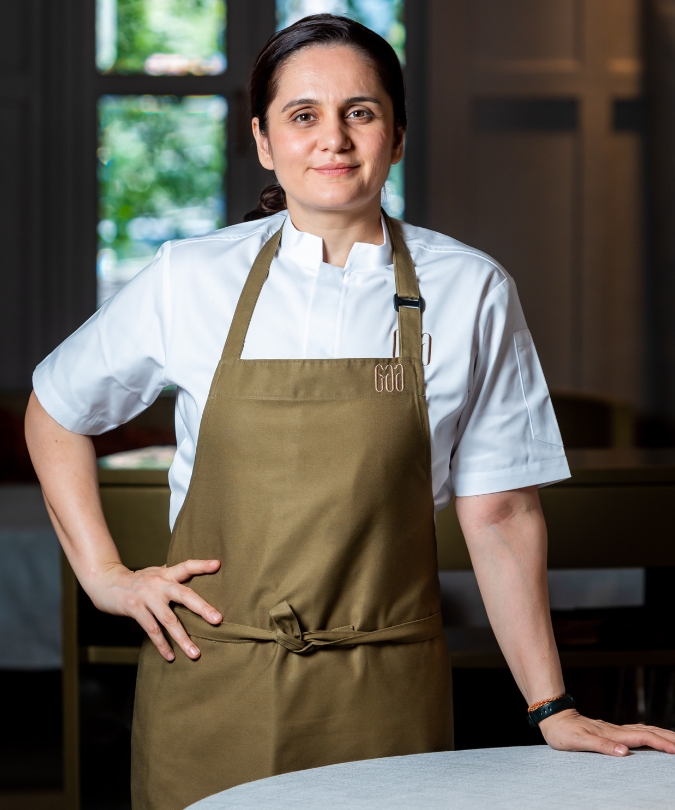
It’s true that Sorn’s sphere of influence is felt across the city’s dining scene and, whether using the crab or not, there are countless examples of fine-dining restaurants serving different cuisines now focusing more intently on native Thai ingredients. Indian-born chef Garima Arora at two-Michelin-starred Gaa combines traditional Indian cooking techniques and flavour profiles with native Thai ingredients, whilst at Côte by Mauro Colagreco, which also has two stars, the French Riviera-style menu integrates Thai produce. ‘Honouring the local terroir and its produce through our French Riviera-inspired menu is central to our philosophy,’ says head chef of Côte, Davide Garavaglia. ‘It allows us to cook with a sense of place and show respect for Thai culture through thoughtful adaptation and integration.’
Fusion also thrives in Bangkok’s high-end Thai kitchens, with Baan Tepa, which was opened in 2020 by chef Chudaree ‘Tam’ Debhakam, at the forefront of innovative, ingredient-driven Thai cooking. Bangkok’s fine dining used to be defined by imported luxury – French sauces, caviar, and truffles – and Tam remembers when things switched. ‘I think chefs really started this movement back in 2014-16,’ she says, ‘I remember starting to see restaurants adopt this approach, to change the consumer’s perception of the value of Thai produce.’
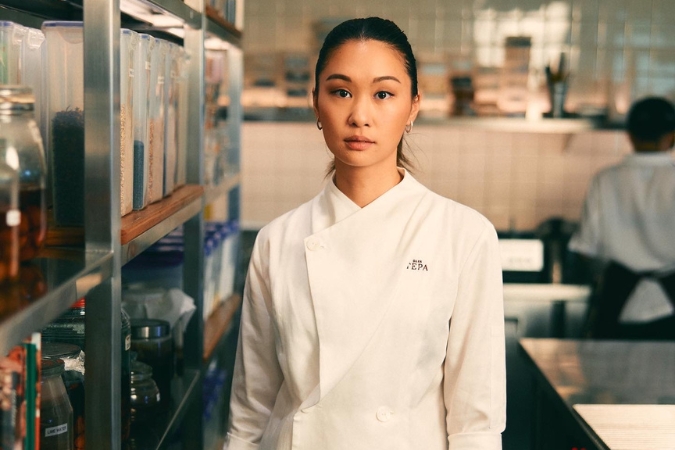
At Baan Tepa, which offers playful, colourful and thoroughly contemporary dishes, the most memorable moments are deeply rooted in a sense of place – like the scent of the bamboo-leaf-smoked jasmine rice served alongside a Wagyu beef and tendon mosaic with a mole-like blackened curry. For Tam, locality and external influences, including a stint at one of the leading restaurants in the US, go hand in hand. ‘My experience at Blue Hill at Stone Barns definitely played a big part in shaping me as a cook,’ she says. ‘I view ingredients differently. I learned to ask more questions about the roots and the traditions of my own food culture, and the agricultural practices that exist in Thailand.’
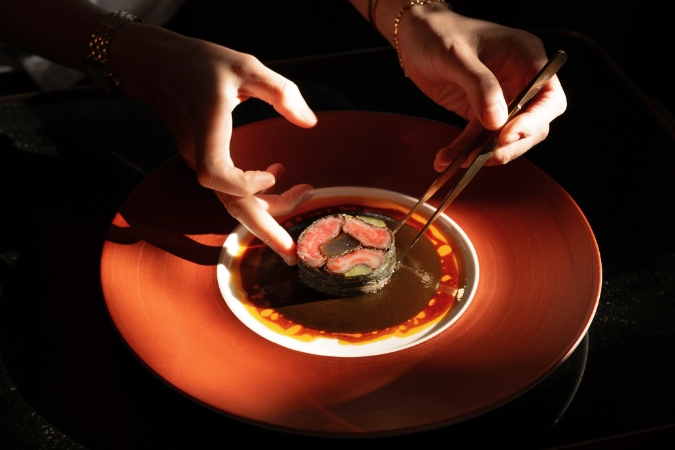
Tam’s cuisine is defined by a unique aesthetic and chromatic sensibility, a keen attention to texture, compelling storytelling and a profound respect for ingredients, with each dish presented alongside a display box showcasing its raw components. The restaurant regularly runs excursion trips to visit producers, runs Tepa Garden Market – an annual event focusing on sustainability and community engagement – and many other projects that enable a deeper connection with the producers behind the ingredients. Most crucially, it’s located in her grandmother’s house, with many ingredients grown in the garden.
Chef Prin Polsuk researches old cookbooks, temple manuscripts and family kitchens
‘I have a very personal connection with the property,’ she says. ‘I hope to convey this feeling of comfort and enjoyment to the people dining at Baan Tepa,’ she continues, ‘the way that we are respectful with the renovation and preservation process of the house, keeping the old and injecting in the new with creativity. I feel like our food is the same way.’ This spirit palpably punctuates the menu, with other highlights include a chicken liver mousse topped with jaew (Thai dipping sauce) and served with a young rice sourdough loaf, as well as a sophisticated-yet-comforting take on dong dang noodles, featuring squid noodles, organic salted duck eggs, crispy sun-dried squid, and chives.
For Tam, there’s one other major factor that has led to this change. ‘I don’t think we can overlook the growing awareness of the environmental effects of importing products from overseas,’ she says. It’s this that gives her hope for the future. ‘I think young chefs now are paying more attention to this,’ she adds. As for the present, ‘expectations are very high,’ she suggests. ‘I think with the Michelin and 50 Best Awards coming in, restaurant standards have risen considerably.’ For Ice, regardless of pressures, ‘it’s a positive change and it’s going to keep booming,’ he says. ‘We can see what Thai culture and cuisine is. It will be seen as something more complex from now on.’