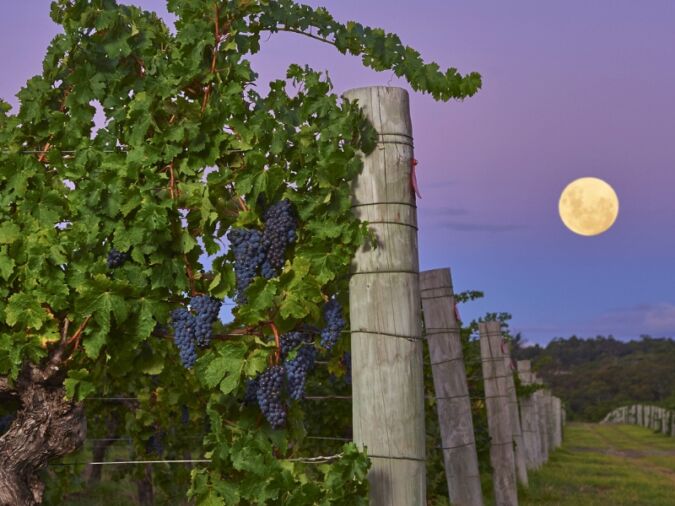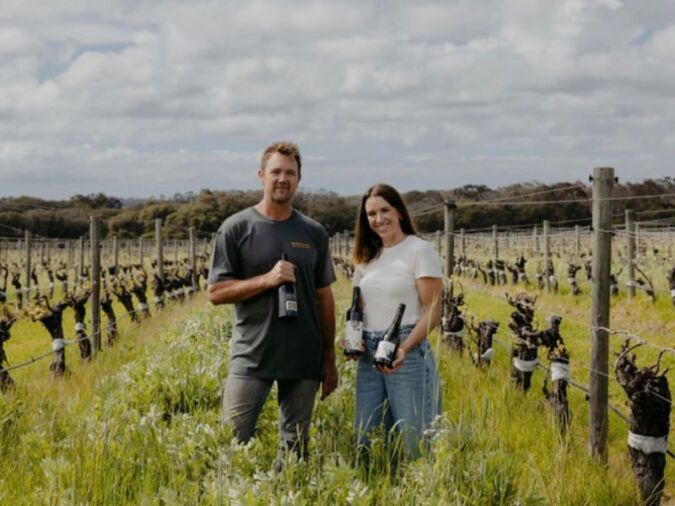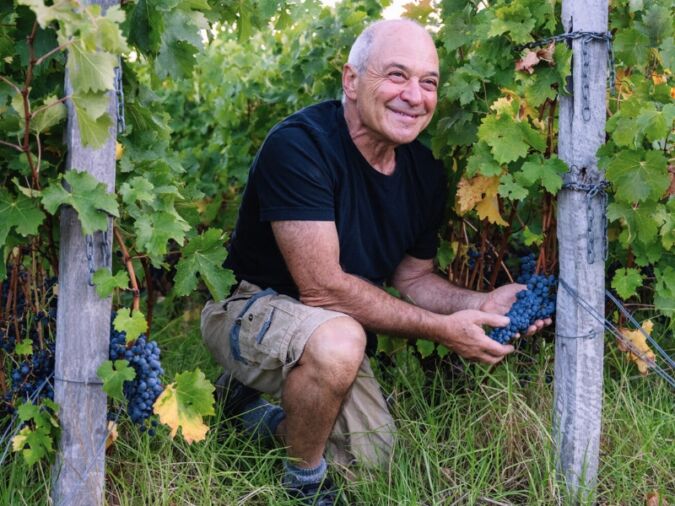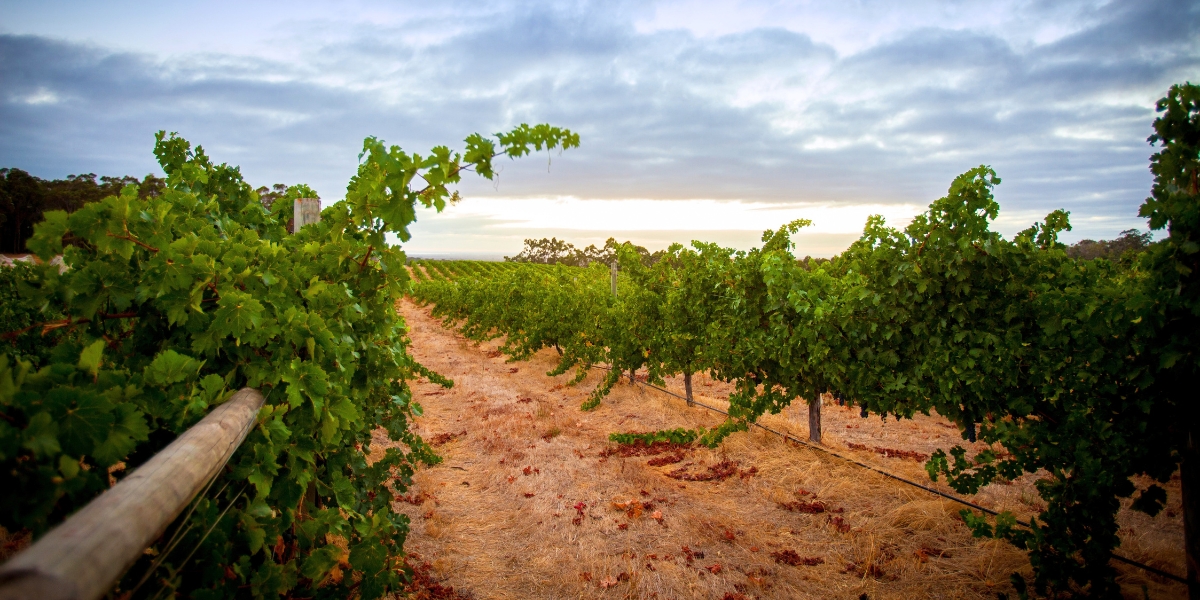
The atmospheric energy that rolls across the Margaret River countryside (Wadandi-Boodja land), is a vitalising force that profoundly impacts the hymn and hum of life. The huge oceanic swells that bash into the coastline are powered by persistent cool winds that have a beneficial refrigeration effect during the summer months. This extraordinary tension, combined with the region’s perfect isolation, geography and free-draining soils, profoundly contributes to the charisma and expression of Margaret River wine.
Margaret River’s modern generation of vignerons were inspired to plant grapevines following the groundbreaking reports (1965 and 1966) by Dr John Gladstones of the Western Australian Department of Agriculture. Previously a small vineyard had been planted at Yallingup in 1917 and during the 1920s, ‘red dynamite’ was sold for a shilling a bottle at local dance halls.
When the enterprising Perth cardiologist Tom Cullity planted Cabernet Sauvignon vines at Vasse Felix in 1967, it was the beginning of a movement that would shape the destiny of Margaret River. Dr Kevin and Di (Diana) Cullen (of Cullen Wines), Dr Bill and Sandra Pannell (Moss Wood Estate) and David Hohnen (Cape Mentelle) were important pioneers, as were State viticulturalists Bill Jamieson and Dorham Mann who provided practical guidance to early vignerons. This included the choice of vinestock material, particularly selections of ‘Houghton’ clone Cabernet Sauvignon.
The extensive clonal plantings of Gingin Chardonnay and Houghton Cabernet Sauvignon have made a transformational difference: these clones carry a signature that translates to a memorable regional swagger in the wines
The region gained an important champion when the beautifully sited Leeuwin Estate was established by Denis and Tricia Horgan. Following advice from the Napa Valley’s Robert Mondavi, Chardonnay cuttings were planted out on the property in 1975. Originally imported into Western Australia in 1957 with the assistance of Professor Harold Olmo of the University of California, the prolifically successful ‘Gingin’ clone – with a Meursault provenance going back to 1882 (via California) – has become synonymous with the reputation of Margaret River Chardonnay.

While climate, geography, generational effort and sustainable growing are significant strands of the Margaret River wine story, the extensive clonal plantings of Gingin Chardonnay and Houghton Cabernet Sauvignon have made a transformational difference. These clones carry a signature that translates to a memorable regional swagger in the wines. The recent 2026 IWSC Global Judging held a Margaret River reinforced this impression for both varieties.
The phenomenon known as millerandage or “hen-and-chicken”, contributes to the creamy complexity, volume and natural torque found in practically every Margaret River Chardonnay
The Gingin clone’s distinct grapefruit aromatics, al dente textures and indelible crunchy freshness are the transparent characters that soar effortlessly, reflecting the clone’s propensity for producing ‘loose uneven bunches of mixed berry size’ at harvest. This phenomenon known as millerandage or ‘hen-and-chicken’, contributes to the creamy complexity, volume and natural torque found in practically every Margaret River Chardonnay. Concentrated flavours and natural acidities, inherent to the Gingin clone, allow the wines to be worked in many ways without loss of freshness and zing.
The 100-pointed 2025 House of Cards ‘Ace High’ Chardonnay, described by co-chair Freddy Bulmer as ‘an absolutely beautiful wine – absolute perfection’, is this year’s poster child. But the family resemblance between many Margaret River Chardonnay wines is unmistakable. While Leeuwin Estate Art Series, Vasse Felix Heytebury, Cullen Kevin John and Pierro are top references for wine collectors, Deep Woods Reserve, Howard Park Allingham, McHenry Hohnen, Woodlands, Xanadu Reserve, Voyager Estate, and the micro-release Cloudburst have become emblematic wines in more recent times. In addition, the small family-owned neighbours Windows and House of Cards are making fresh beautifully pure mineral Chardonnay styles.
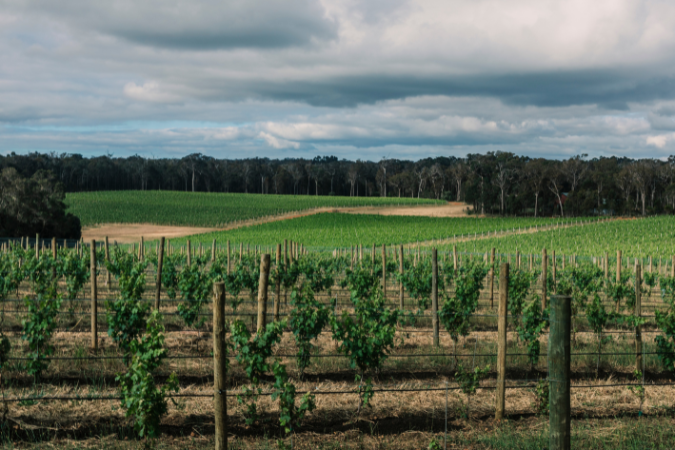
The various Houghton clones which predominate Cabernet Sauvignon plantings in Margaret River, derive from selections chosen for their yield, health and fruit flavour following trials in Frankland River between 1968 and the early 1970s. Every top Margaret River Cabernet Sauvignon is based on this 19th Century heirloom vinestock (which probably relates to material brought into New South Wales by William Macarthur in 1837 and then taken to Perth in Western Australia around 1860). Because of strict quarantine laws this germplasm/ genetic material has been preserved and improved through the generations.
Renowned for its small flavourful berries and low vigour, this clone promotes wines with medium-deep colours, pure dark fruit, attractive inky density and fine-grained tannins. Cape Mentelle, Cloudburst, Cullen, Deep Woods Fraser Gallop, Howard Park, Leeuwin Estate, McHenry Hohnen, Vasse Felix, Voyager Estate, Xanadu and others produce prized age-worthy Cabernet Sauvignon wines based on the Houghton clone. The 2026 IWSC success of Menzies Vineyard, Domaine Naturaliste and Byron & Harold also highlight the generous synergies between nature and nurture; with vinestock selection significantly contributing to the overall character and quality of Margaret River Cabernet.
While Shiraz, Chenin Blanc, Fiano and other varietal wines and blends add further interest, Margaret River is one of the world’s most identifiable wine regions in the world, largely because of the unmistakable characters and influence of the Gingin and Houghton clones.
Eight Gold medal-winning wines from Margaret River’s Gingin and Houghton clones
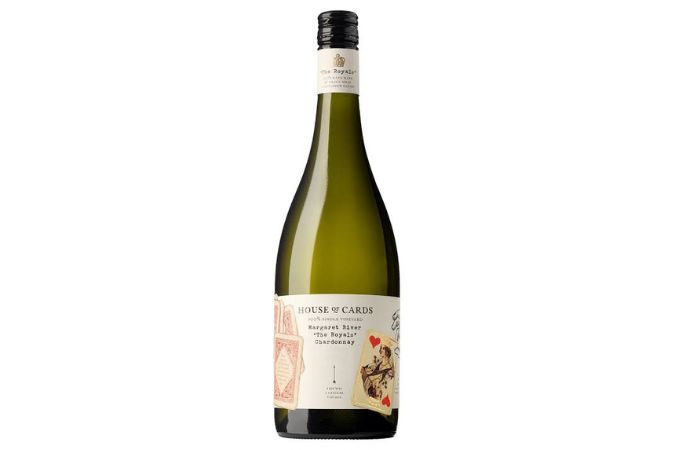
House of Cards, The Royals Chardonnay 2025
House of Cards may have scooped a perfect score, a competition first, with is Ace High Chardonnay (read all about it here), but it wasn’t the only of its Chardonnays to shine bright at the tastings. IWSC judges praised The Royals Chardonnay 2025 for ‘seductive, perfumed burnt lime and smoked flint’ on the nose, and a palate ‘brimming with concentrated stone fruit and crisp acidity.’ This was a wine deemed to truly reflect the sense of place for which the wines of Margaret River are coming to be known. 98 points
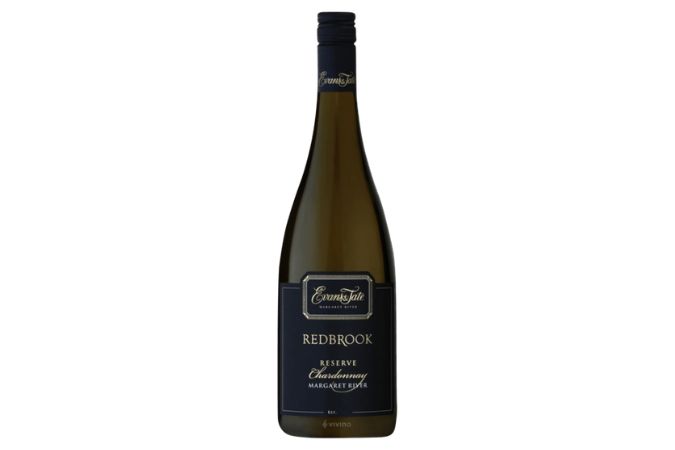
Evans & Tate, Redbrook Reserve Chardonnay 2023
Another Chardonnay expressing a beautiful mix of citrus and minerality on the nose, judges found ‘vibrant fruit intensity, unveiling textured layers of preserved citrus pith and crushed quartz’ in Evans & Tate’s Redbrook Reserve. The palate continued the theme, but with added oaky complexity: ‘spicy, smoky oak adds depth, culminating in a bold, pithy texture and a mile-long, lingering finish’. 97 points
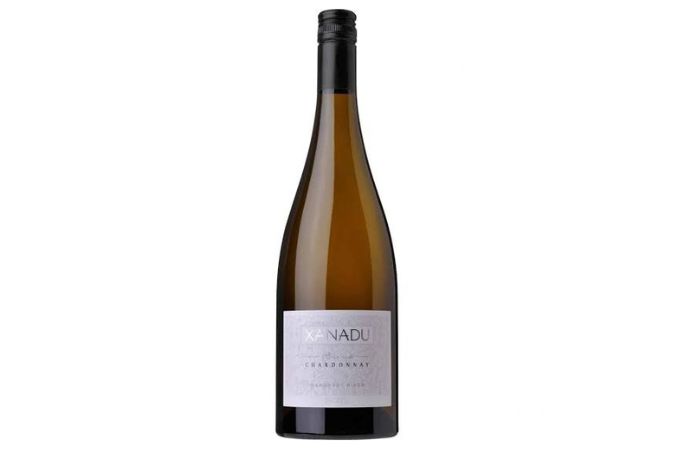
Xanadu Wines, Reserve Chardonnay 2024
Aromas of sea spray and salted nuts stood out for judges upon tasting Xanadu’s Reserve Chardonnay 2024, an elegant and precise wine whose flavour was said to build steadily and culminate ‘in a persistent, citrus-driven finish, truly expressive of its place.’ 96 points
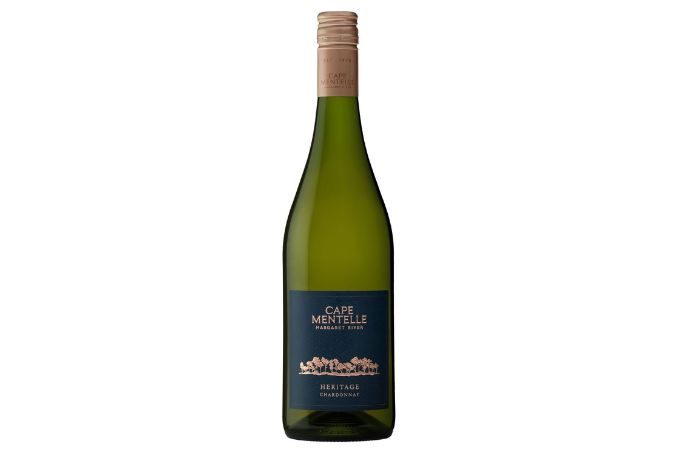
Cape Mentelle, Heritage Chardonnay 2025
Tasting notes from the judges touched on notes of white flowers, crushed rock, grapefruit pith and tropical richness. The pithiness continued on the palate. ‘The wine strikes a perfect balance of energy and poise, finishing with a focused, pithy edge that lingers with precision,’ they said. 96 points
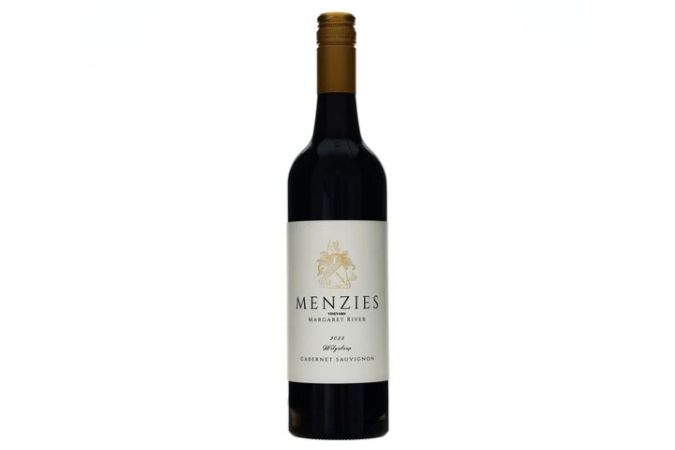
Menzies Vineyard, Wilyabrup Cabernet Sauvignon 2023
Violet and geranium notes stood out on the nose of Wilyabrup Cabernet Sauvignon from Menzies Vineyard, giving way to ‘a richly structured core of black fruits and slate, where firm tannins unfold with intriguing tension’. Judges were impressed with subtle earthy notes and this wine’s ‘detailed, tightly wound finish that lingers impressively’. 97 points
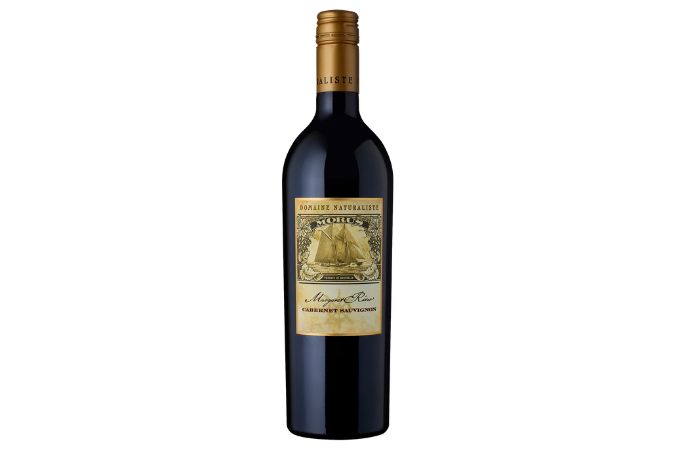
Domaine Naturaliste, Morus Cabernet Sauvignon 2023
This Houghton Cabernet Sauvignon is expressing characterful notes of red peppers alongside the signature bold black fruits. IWSC judges also noted well-integrated oak and an ‘intriguing depth’ to the palate that carried through on ‘a firm and enduring finish’. 96 points
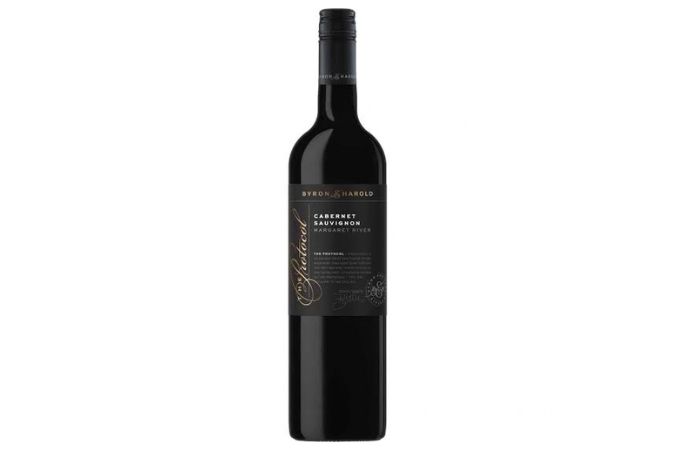
Byron & Harold, The Protocol Cabernet Sauvignon 2024
Minerality shone through on the nose and palate of Byron & Harold’s The Protocol: graphite, ironstone, slate and shale all featured in tasting notes from the IWSC judges. Aromatic ripe fruit aromas and an elegant tension on the palate were noted in a Cabernet Sauvignon emblematic of its region. 96 points
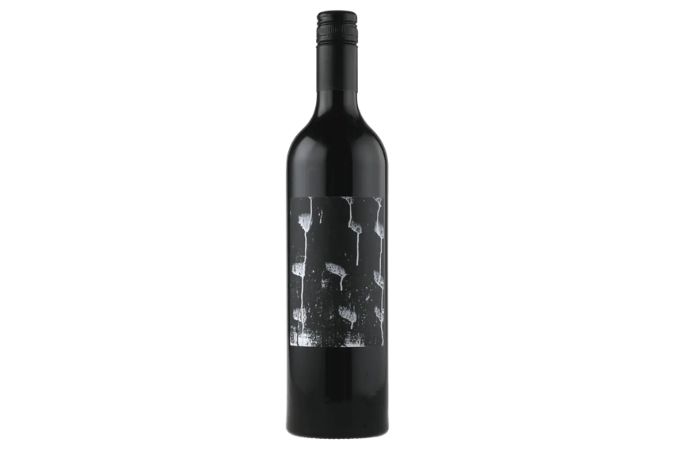
Nocturne, Single Vineyard Cabernet Sauvignon 2024
This wine screams of Margaret River, with its vibrant blackberry and cassis aromas met with a mineral edge and taut graphite tannins. Nocturne also stood out to judges for its herbaceous qualities, from bay leaf on the nose through to a ‘herbal freshness’ on the finish. 95 points