With the continuing surge in no- and low-alcohol wine and spirits, consumer expectations are also riding high. Drink lovers now expect genuinely satisfying, sophisticated options that can deliver on taste without compromise and hold their own alongside their full-strength counterparts. Yet for many wineries and distilleries, removing alcohol and retaining flavour is still a big challenge.
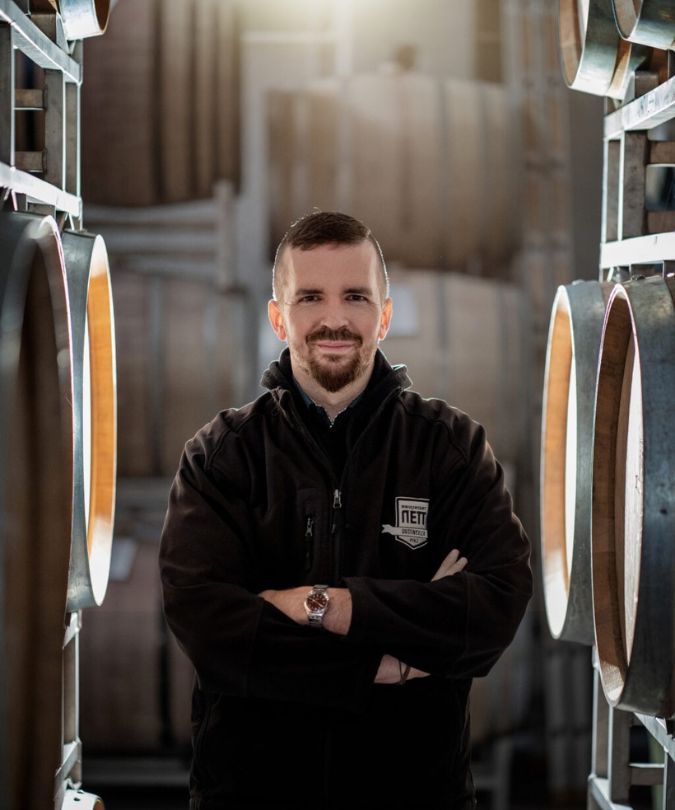
Conventional technologies alter far more than a beverage’s alcoholic strength. Dealcoholisation fundamentally changes the mouthfeel of wines and spirits and the perception of acidity, as well as affecting flavour and aroma too. ‘If an alcohol-free wine doesn’t taste good, people will simply drink something else, or nothing at all,’ points out Christian Nett, fifth-generation winemaker at Weingut Bergdolt-Reif & Nett and an alcohol-free wine specialist. For his remarkable 12-strong lineup of no-ABV wines, Nett uses Solos Technology, a beverage technology company that addresses the category’s challenges by shifting the paradigm from simply removing what is not wanted to preserving what is meant to remain in the glass in the first place.
While conventional alcohol-removal processes can lead to significant losses of aroma (the very elements normally responsible for a pleasant and satisfying drinking experience), Solos’s patented aroma recovery technology selectively captures the volatile compounds generated during dealcoholisation and reintegrates them into the alcohol-free liquid, helping the finished product retain its original identity.
‘Solos was – and still is – the technology that allowed me to produce alcohol-free wine in the way I want to craft it as a winemaker,’ says Nett. ‘For the first time, I felt that after dealcoholisation, I could still recognise my own signature, the terroir, the grape variety and even elements such as oak maturation, instead of that typical dealcoholisation character dominating everything else. It is aroma recovery, not aroma manipulation.’

Indeed, one of the key advantages of Solos’s dealcoholisation and aroma recovery process is that there is no need to add artificial aromas to the finished wine or spirit, allowing the liquid to preserve its initial character rather than artificially reconstructing its flavour, and thus retain its integrity and authenticity. As Solos co-founder Claudia Geyer puts it: ‘Authenticity is key. When you take a sip, you should recognise the essence of the wine or spirit you fell in love with, and removing the alcohol shouldn’t take that identity away.’
With no additional ingredients needed to restore the aroma profile, the Solos process crucially allows producers to be fully transparent on the label. ‘The big advantage is that we can show a fully clean label,’ explains Rudolf Hermann of Bimmerle Distillery in Germany’s Black Forest, who has used the technology across a variety of no-alcohol spirits. ‘That means we don’t need to add or declare additives to improve the liquid, as some big companies do.’

As a result, Solos Technology (a company that also offers lab trials, spirits extracts, white label solutions and bottling services) has supported producers keen to craft liquids that can stand alongside full-strength drinks; liquids that aren’t only an option for those who abstain, but also for the growing number of people who alternate between alcoholic and alcohol-free drinks, and who expect the same level of complexity, character and sensory appeal from everything they choose to drink. One such maker is Katja Bernegger, founder of Austria-based no-alcohol wine brand Zeronimo. Working with Michelin-starred chef David Geisser in Switzerland, she has explored food pairings specifically designed around the distinct sensory characteristics and possibilities of her no-ABV wines, with aroma playing an integral role.
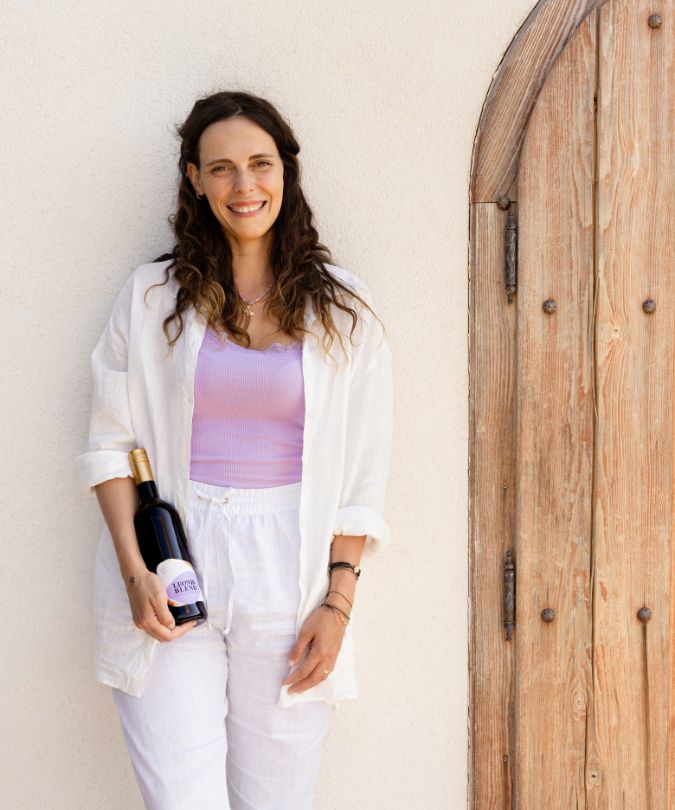
‘Alcohol-free wines are no alternative, they are a valid option in their own right: they are about expanding, not replacing,’ says Bernegger. ‘Quality non-alcoholic wines keep people connected to the wine world for longer, introduce new drinkers to it, and bring wine into entirely new occasions where it has never been before.’ Zeronimo’s ambitions could not have been met without honouring an authentic sensory experience in the glass, respectful of the original product while opening up entirely new possibilities for it in turn. As premiumisation continues its march ahead in the alcohol-free space, this is another brilliant example of how natural and authentic aroma are fast becoming the crucial hallmarks of a quality drink.