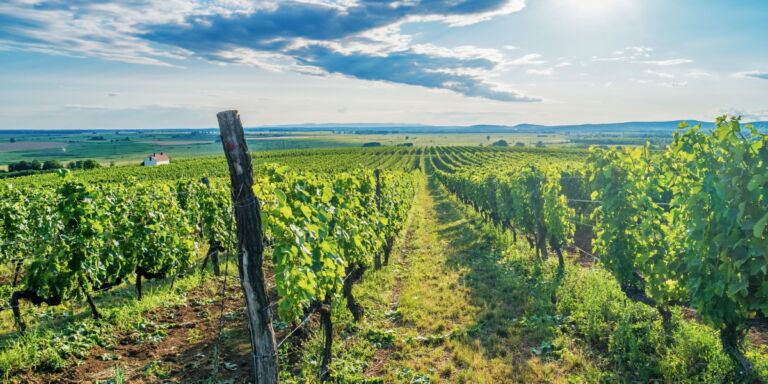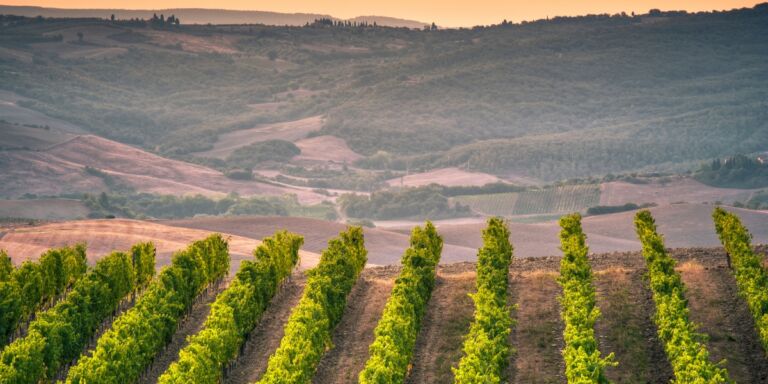
Western Australia’s Margaret River lies at a magnificent tension point between the vast Indian and Great Southern Oceans. The buffeting winds, rolling swell and expansive skies create a unique atmospheric energy. Meanwhile the warm poleward-flowing Leeuwin current in winter and the cool northerly Western Australian current in summer bring a dual-carriageway of spectacular marine life from rock lobster and abalone to migrating salmon and humpback whales. Sea birds of various kinds circulate, harass and bombard these bountiful feeding grounds while native forests of Marri, Karri and Jarrah and the surrounding land support a superb hotspot of biodiversity.
Although European settlement altered the appearance of the land throughout the 19th Century, the region remains largely covered by native forest, while land use has also changed markedly from predominantly logging, dairying and mixed farming to viticulture, winemaking and eco-tourism. By happenstance Margaret River’s fine-wine reputation is built on the storied history and quality of 19th Century pre-phylloxera Cabernet Sauvignon and early 20th Century pre-Prohibition era Chardonnay vine cuttings.
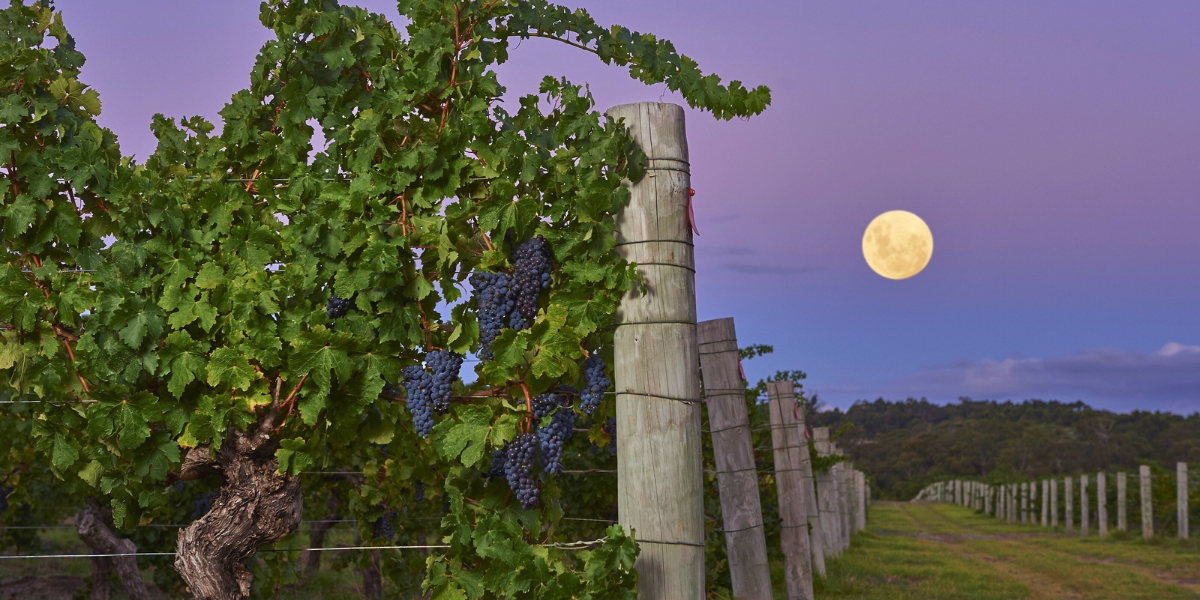
Heirloom vinestock material underpins the reputation of the best Margaret River Cabernet wines
Although vineyards were planted a little further to the north around Busselton and Bunbury in the 1800s, the modern Margaret River wine industry began in 1967, when Dr Tom Cullity of Vasse Felix planted his first block of Cabernet Sauvignon vines. Moss Wood, Cape Mentelle, Cullen, Leeuwin Estate followed in quick succession using the same grapevine selection known as the Houghton clone. This heirloom vinestock material represents a significant percentage of plantings and underpins the reputation of the best Margaret River Cabernet wines. Cullen Diane Madeline, Moss Wood Cabernet and Vasse Felix Tom Cullity are the primary ‘First Growth’ collectables, while Xanadu Reserve Cabernet, Deep Woods Reserve Cabernet, Fraser Gallop, cult wine producer Cloudburst and others have released exquisite vintages in recent times.
While the original vinestock material for the Houghton clone, is referenced by some observers as having arrived in Western Australia around 1830 from the Cape Colony (South Africa), this is highly unlikely. The first recorded importation of Cabernet Sauvignon took place in 1837 when William Macarthur of Camden Park, New South Wales brought in the variety from Barton and Guestier in Bordeaux.
Charles Ferguson the owner of Houghton’s, one of Western Australia’s oldest wineries in the Swan Valley, claimed the vines first planted on the property in the 1860s were sourced from Leschenault and South Australia. A letter by Mr William Burges, a prominent early settler and pastoralist, published by Perth’s Inquirer and Commercial News in 1862, suggests that Cabernet Sauvignon (and Malbec) were first brought into Perth from Sydney by a ‘Mr Chauncey’. This is probably Western Australia’s assistant surveyor Philip Lamothe Snell Chauncy, who resigned his position and moved to Victoria in 1853.
While there is a gap in provenance, leading to questions about origin, the Houghton clone is unquestionably derived from 1950s plantings at Houghton. These vines were based on cuttings taken off the presently unknown 1930s ‘Frenchman’s Block’, a vineyard of bush vines that were probably pulled out during economic recession.
Between 1968 and 1970, Western Australia’s Department of Agriculture studied the performance of 21 vines, each selected for their yield, health and fruit flavour. After evaluation at its Gingin nursery, the vines were planted out for further appraisal at Frankland River in 1973. The Houghton clones or selections were also made available for Margaret River’s pioneering winemakers, with the help of the Department’s John Gladstones and Dorham Mann, both leading figures in the state’s emerging wine scene.
The story of Margaret River’s Gingin clone of Chardonnay follows a similar pattern. Imported as FPS1 (Foundation Plant Services 1) from UC Davis California, it is derived from 1956 plantings originally sourced from the university’s defunct 1930s Armstrong Vineyard. Described as a pre-Prohibition clone, it is believed the cuttings were originally sourced by Ernest Wente from Theodore Gier’s Pleasanton Vineyard, Livermore Valley, in 1908, and planted nearby at the Wente Estate. This material is thought to have been imported to California as budwood from Meursault in Burgundy in 1882. After propagation and selection, the clone became known in Western Australia as the Gingin clone.
Pristine environment, ancient soils and heirloom grapevines combine with some of the most experienced winemakers in the world
It is no secret that Denis and Trish Horgan of Leeuwin Estate, through their generosity and support to other vignerons, were responsible for the Gingin clone’s widespread planting in Margaret River. Renowned for its hen-and-chicken fruiting habit, it has found a perfect home in the region. The most famous wines derived from this clone are Leeuwin Estate Art Series Chardonnay, Cullen Kevin John, Vasse Felix Heytesbury and Pierro Chardonnay but other winemakers are producing equally compelling examples, including Cape Mentelle, Cloudburst, Deep Woods Estate, Howard Park, Domaine Naturaliste, House of Cards, Nocturne, Voyager Estate, Woodlands, Xanadu and others. The pure fruit definition, ample volume, al dente textures and mineral length are a consistent theme of these beautiful Margaret River Chardonnay styles.
The Houghton and Gingin clones are a wonderful legacy of shared family ambitions while representing the very best and purest lineage of pre-phylloxera germplasm. This exceptional vinestock material also represents a much bigger vision that began during Victorian times when pioneering vignerons believed that Australia would become the France of the Southern Hemisphere. While this expression is outdated, the underlying ambition has remained the same across several generations. While Margaret River is a relatively new wine region, its pristine environment, ancient soils, heirloom grapevines and distinguished vineyards combined with some of the most enlightened and experienced winemakers in the world, have led to classic wines of great singularity and character. Whenever I drink these wines, I always feel a sense of wonderment; they are so distinctive and delicious to drink while representing living Margaret River heritage.
IWSC medal-winning wines from Margaret River’s Gingin and Houghton clones
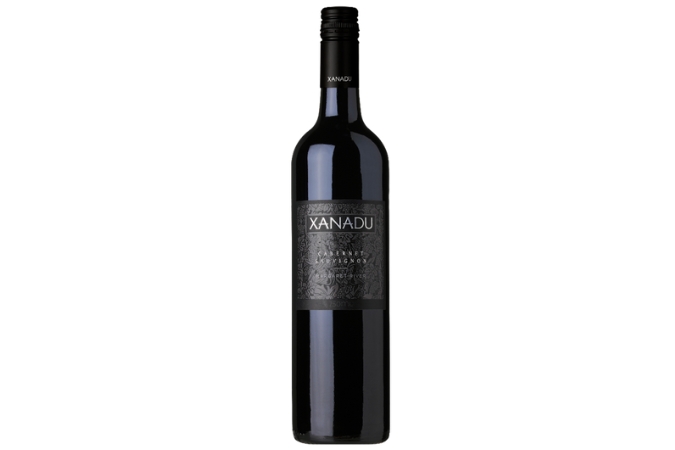
Xanadu, Cabernet Sauvignon 2023
This was the highest scoring wine at the Margaret River Global Judging, impressing judges with ‘aromas of vibrant blackcurrant, praline and dark chocolate’. The texture of the palate also contributed to such a high score, as did ‘blackcurrant pastille, elderberry, and a hint of sweet spice, leading to a long, juicy, finish enriched by refreshing mineral undertones.’ 98 points
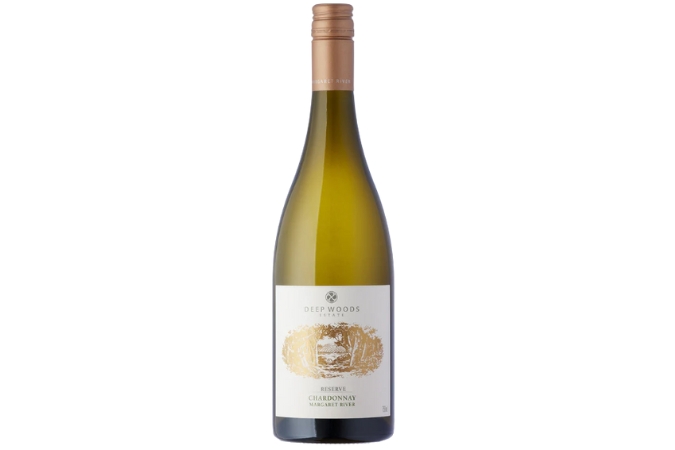
Deep Woods Estate, Reserve Chardonnay 2024
‘Enchanting aromas of cool flint, grapefruit zest, and a whisper of cinnamon with sleek poached pears and deliciously ripe peach creating a harmonious balance on the palate,’ said the IWSC judging panel earlier this year. 97 points
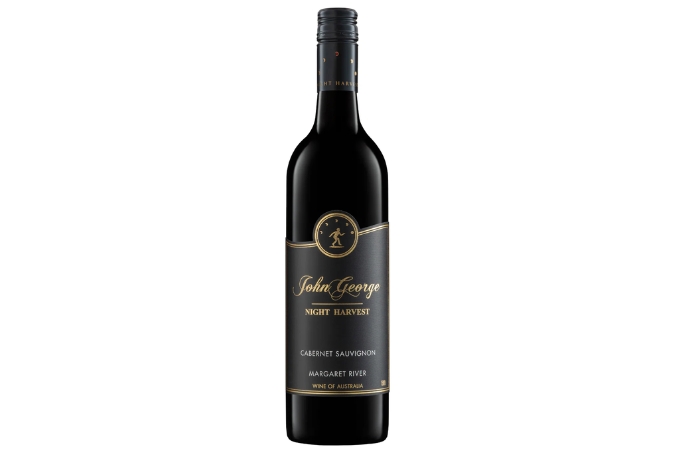
John George, Cabernet Sauvignon 2023
‘Delightful aromas of cassis, cola, mocha and tobacco leaf greet the senses,’ proclaimed the IWSC judging panel. ‘The palate reveals ripe fruit, underscored by chocolate and savoury elements of tomato leaf, dried herbs, and a lingering essence of rich Damson plum.’ 97 points
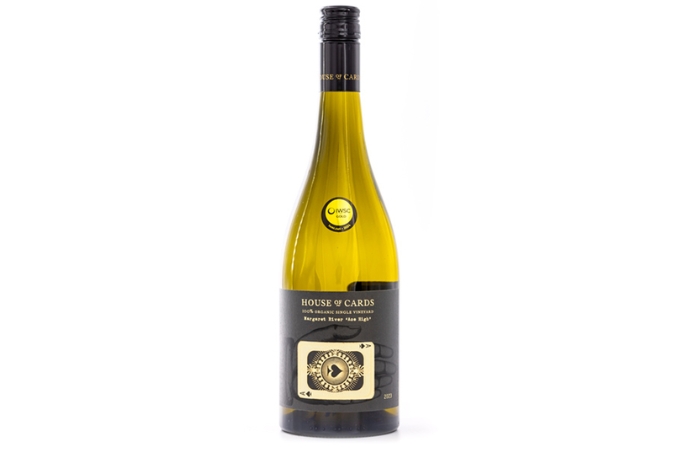
House of Cards, Ace High Chardonnay 2024
IWSC judges referenced the ‘exquisite palate’ of this wine during the tasting. Expect ‘rich grapefruit and yeasty pastry notes, underpinned by nutmeg and a delightfully fresh, salty tang.’ 96 points
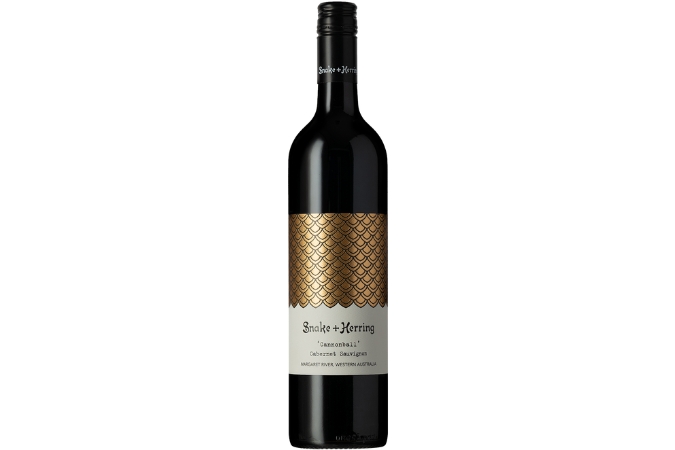
Snake + Herring, Cannonball Cabernet Sauvignon 2023
‘An elegant nose revealing dried violets, rosemary and spiced plums,’ said the IWSC judges, with ‘a well-structured palate of refreshing blackcurrant, dark chocolate and a chewy salted liquorice twist.’ 95 points
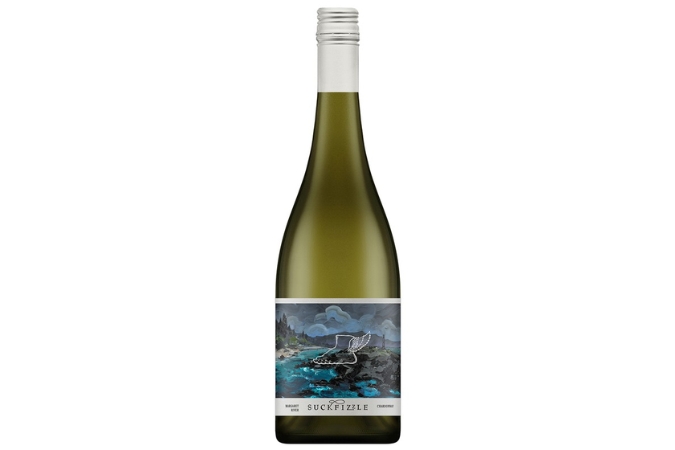
Stella Bella, Suckfizzle Chardonnay 2024
IWSC judging panel loved the Suckfizzle for its ‘expressive aromas of orchard fruit intertwined with spiced vanilla oak’. The palate delivers ‘ripe yellow fruits and grapefruit, revealing a long, luminous finish echoing lemon pith, cedar and flint.’ 95 points