Giving a star rating to a vintage gives an instant idea of its quality but what else is there to understand? It’s a question those in Brunello di Montalcino may well have asked themselves when conceiving of the new assessment system to judge vintage quality in the region. Named Forma, the system heralds a move away from simplistic quantitative ratings toward a ‘comprehensive, qualitative and holistic’ evaluation. The new methodology not only assesses the quality and character of each vintage but also reflects the impact of climate, terroir and viticultural practices specific to the Sangiovese grape in Montalcino.
The Forma project emerged from a recognition that traditional ratings, which focus solely on taste, would be enriched by the addition of more comprehensive criteria. These include detailed climatic analysis, data on the interaction between climate and grape variety, the effects of the considerable geographical variation in Montalcino, and consistency with Brunello’s stylistic identity. The model caters to increasing consumer demand for detailed, authentic information on provenance.
The Forma model aims to give a fuller picture of each vintage
By combining meteorological data and analytical studies with the insights from a diverse panel of international experts, the Forma model aims to give a fuller picture of each vintage. The involvement of Copernico, a high-tech farming and data collection company in Montalcino, and renowned professors Luigi Mariani (agronomist) and Gabriele Cola (climatologist) ensures the project incorporates a strong science-led component. Then there is a panel responsible for blind tastings, which includes eight Masters of Wine, each bringing their own distinct perspective, reinforcing the credibility and depth of the model’s assessments. For the 2020 vintage, 57 bottled and DOCG-certified samples of Brunello di Montalcino 2020 were taste-analysed alongside climatic data. These were compiled to extract a fil-rouge that reflects the general character of the Brunello vintage, very close to the wines’ release. This comprehensive tasting observatory ultimately led to a unified qualitative assessment of the 2020 Brunello di Montalcino vintage: ‘captivating, bright, succulent’.
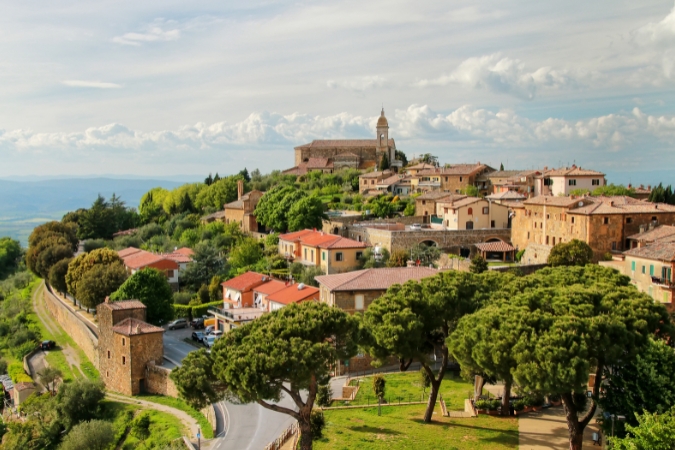
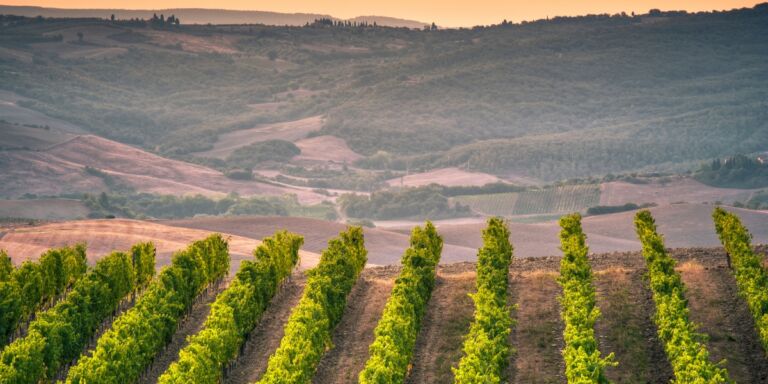
Brunello Forma relies on an extensive and ever-growing network of weather stations (39 for season 2020) strategically placed across the varied terrain of Montalcino. Unlike traditional methods, which might rely on singular climatic data points, Forma integrates multiple weather stations, allowing for precise climatic assessments representative of the diverse microclimates that may only cover single vineyards in some cases. This precision is critical given the high degree of variability in altitude, soil composition, exposure and weather patterns throughout the region.
The model also introduces new indices and analytical methods that are tailored to evaluate the impact of the climate on Sangiovese grapes. These indices, including Heat Wave Days (HWD) and Normalized Heat Hours (NHH), allow detailed scrutiny of vine stress caused by heat – invaluable in assessing how the vines are responding. The results can be used to improve vineyard management, enabling producers to adapt their practices more proactively to climate change.
The qualitative elements offer producers new ways to describe vintages, telling a story around climate, terroir and wine identity
Brunello Forma underlines Montalcino’s stature as a leading wine region, one confident enough to invite comparison and in-depth analysis that’s rarely seen elsewhere. By embracing concerns about climate change and its impact on viticulture, the project puts Brunello di Montalcino at the forefront of sustainable and adaptive winemaking practices. The qualitative elements offer producers new ways to describe vintages, telling a story around climate, terroir and wine identity, elements increasingly valued by discerning wine drinkers across the world.
The introduction of the FORMA model, particularly for the 2020 vintage (a short summary for 2020 can be downloaded here), demonstrated its value. The vintage was characterised by stable weather with moderate heat stress and adequate rain contributing to a uniformly high-quality yield. The wines exhibited vibrant fruit, balanced structure and refined tannins, validated by both meticulous climatological analysis and comprehensive tasting by experts. In addition to providing a more detailed description of a vintage to consumers, Forma’s strong data-driven foundation can help winemakers make informed decisions in the vineyard and the winery.
The new method of assessing a vintage clearly has immense potential to elevate the perception of Brunello di Montalcino wines amongst wine lovers and to help them find the vintages and styles most suited to their tastes. Forma provides an authoritative, science-based model, one that balances technical precision with expert insight. It now stands as a pioneering example for other fine-wine regions worldwide.