French brandies have long been somewhat neglected when it comes to classic cocktails, at least compared to other aged spirits such as whisky and rum, with their Old Fashioneds, Sours and Manhattans. Cognac and its lesser-known sibling Armagnac also tend to be overlooked when it comes to new cocktail creations.
Nowadays, if either – usually Cognac – makes it into a cocktail shaker or mixing tin, it’s invariably for the occasional Sidecar or maybe a guest appearance in a Sazerac. But this wasn’t always the case. These spirits once played an important role in the world of cocktails, and there are signs that they are beginning to regain their rightful place.
To some extent, this is being driven by producers – and understandably so, as they look to connect with a younger generation of drinkers. Behind the bar, however, a growing number of proponents of Cognac and Armagnac’s mixability are also experimenting in new ways.
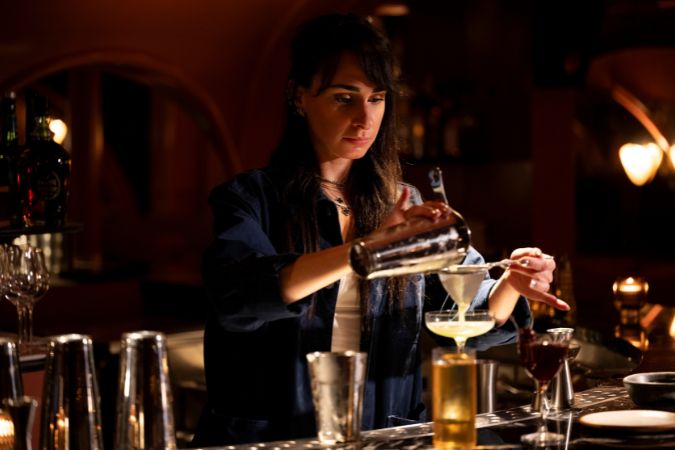
Among them is Nathalie Durrieu, head bartender at Experimental Cocktail Club New York. ‘I like to use aged Cognac or Armagnac as a substitute for whisky in my cocktails,’ she explains, giving as an example Mon Chéri, the bar’s French take on the classic Manhattan, with added cherries and cacao nibs. ‘The cherries bring out the fruitiness of the Cognac, while the cocoa nibs add bitterness – it’s a fantastic way to introduce guests to these spirits,’ Durrieu adds.
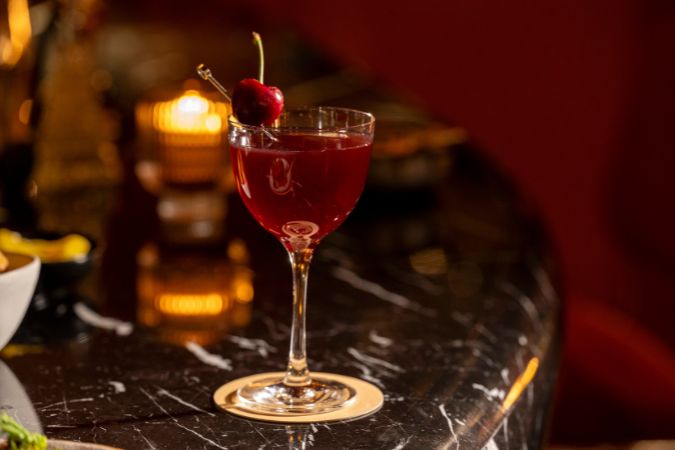
In the town of Cognac, Guillaume Le Dorner at Bar Luciole makes extensive and imaginative use of the bar’s 80-strong collection of the local spirit. For the Casse Noisette cocktail, a VS Cognac is cooked sous-vide with hazelnuts, while the Butter Kir Royal contains a butter fat-washed VSOP.
‘When I first opened the bar, many people didn’t get it, asking why I would mix Cognac. But it’s been mixed for centuries, and it is a very good spirit to play with,’ Le Dorner says. ‘There’s great complexity in Cognac’s flavour profile, adding depth to cocktails.’
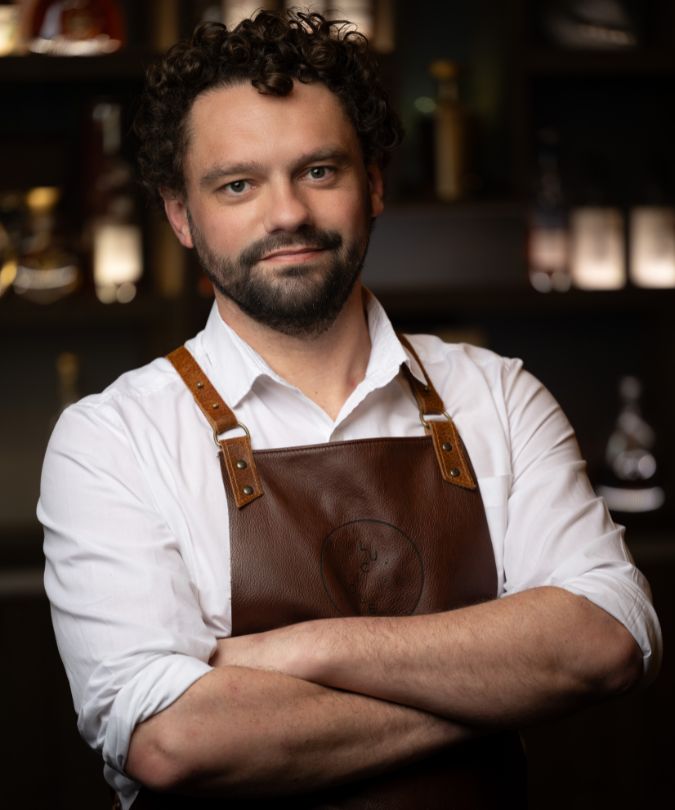
Similarly single-minded, and no less experimental, is Singapore’s SyZyGy – until recently a French-brandy specialist bar from distributor Exquisite Elixir, and now an appointment-only tasting room. Among SyZyGy’s creations is the Not a Negroni, made with Domaine d’Espérance 5 Ans Armagnac, Armagnac-based orange liqueur Grande Josiane, sweet vermouth and red wine Château Arton Le Midi.
‘An Armagnac Sour is more luxurious than a generic Whisky Sour, and a Sazerac with Armagnac offers a full, bold and round mouthfeel,’ says founder Selin Tanetvitayavet. ‘The complex characteristics of these spirits offer additional layers and depth.’
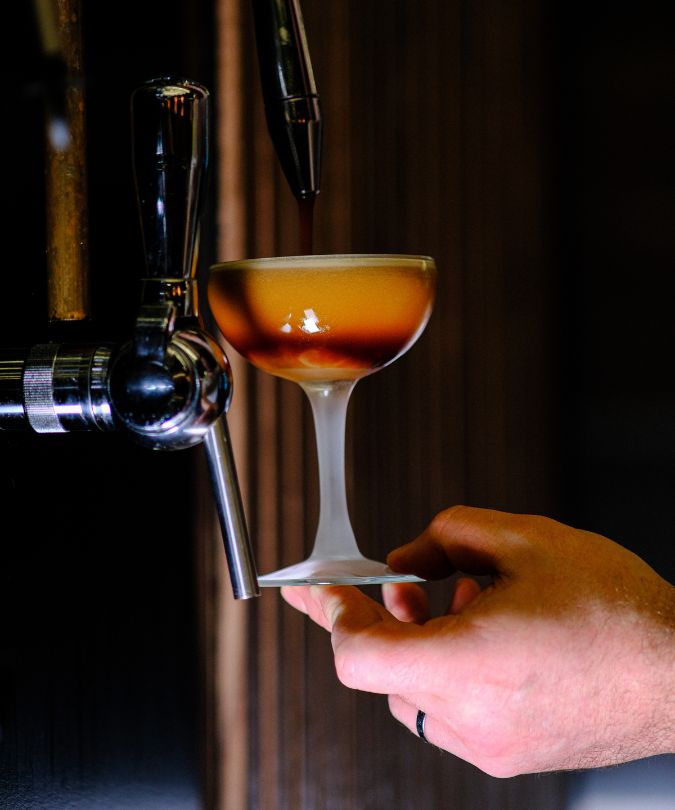
Back in France, at The Honey Moon in Paris, creative director Ben Wilson believes the bar’s Espresso Martini is similarly improved by the addition of Cognac. ‘Guests expecting a classic vodka espresso are surprised to find that it works so much better,’ he says. ‘These brandies are low-key the most endlessly mixable spirits to incorporate into cocktails.’ Wilson’s Espresso Martini, further enhanced by the addition of raspberry and plum-kernel eau de vie, is evidence of this endless mixability – these are spirits that are equally at home in a spirit-forward stirred-down drink as in longer, lighter serves, pairing effortlessly with everything from fruit flavours to coffee.
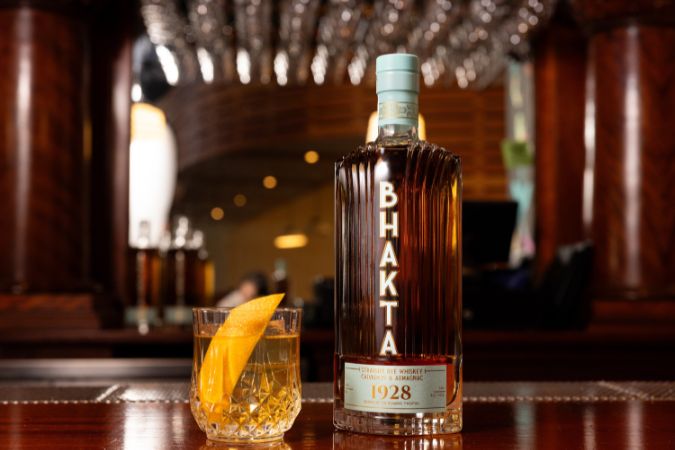
Cognac and Armagnac brands are doing their part in spreading the word about the joys of mixing these spirits. Some have created cocktail-focused expressions, such as Armagnac Dartigalongue with its Expérience bar range. Bhakta Spirits, meanwhile, is introducing whiskey drinkers to Armagnac through its 1928 blend, a combination of rye whiskey and old vintages of Armagnac that is recommended for use in an Old Fashioned.
Other brands have teamed up with bars to create Cognac or Armagnac cocktail menus, such as Courvoisier Cognac’s pop-up at The Mirror Bar inside the Landmark London hotel. Its menu features drinks such as L’Hiver en Rose, with Courvoisier VSOP, amaro, hibiscus, cherry and rosé Champagne.
Similarly, Camus Cognac recently teamed up with Gothic Bar at the St Pancras Renaissance Hotel in London to create a trio of theatrical cocktails influenced by the works of Jules Verne. Among these was the marine-inspired 20,000 Leagues Under the Sea – a far cry from the classics, with its pickled dulse vinegar and oyster tincture, served on a macerated oyster shell, using Camus Île de Ré Fine Island Cognac as a base. Journey to the Centre of the Earth, meanwhile, highlighted the spice notes in Camus Borderies VSOP with a liqueur made from Timur berry, caraway seed, juniper, pine and sarsaparilla.
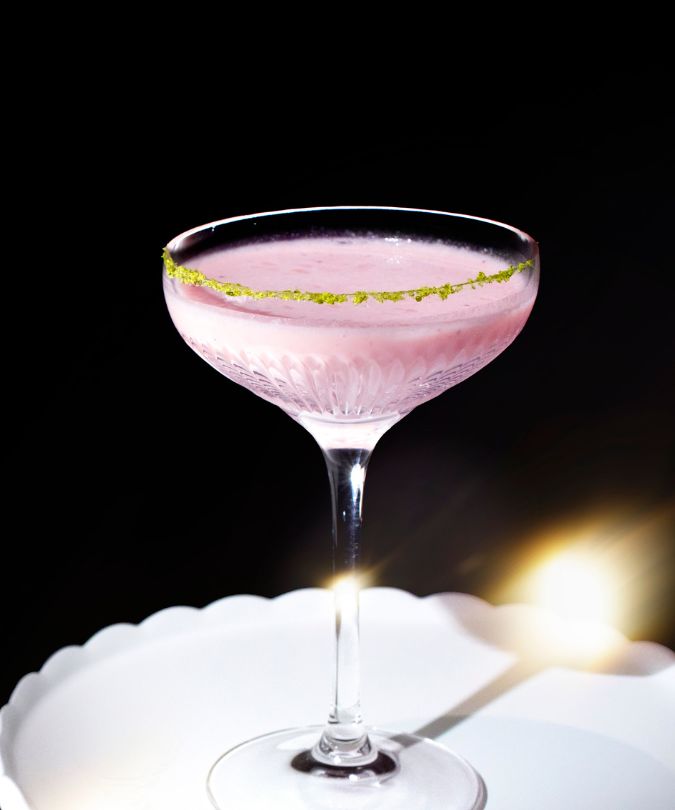
‘The drinks were designed not only to highlight Cognac’s flavour profiles, but also explore its diversity for those who might not usually choose to drink it,’ says Gothic Bar manager Jack Porter.
At London’s Ekstedt at The Yard, a collaboration with Cognac Frapin has resulted in the creation of a singular cocktail: the Fat-Washed Cognac Old Fashioned. ‘This is made with the beef fat from our signature dish, the flambadou oyster, to add a rich, smoky flavour and fat-washed texture to the Cognac,’ says head sommelier Klearhos Kanellakis.
Taking a somewhat simpler yet no less creative approach is Shinobu Ishigaki, owner-bartender of Ishinohana Bar in Tokyo, who recommends pairing Armagnac with fresh fruits such as persimmons and strawberries, as well as with espresso. ‘Cognac and Armagnac provide a richness of flavour and a unique finish – there’s definitely potential for further exploration,’ says Ishigaki. ‘Classic styles like Fixes and Cobblers, adapted with a modern twist, would work well, too.’
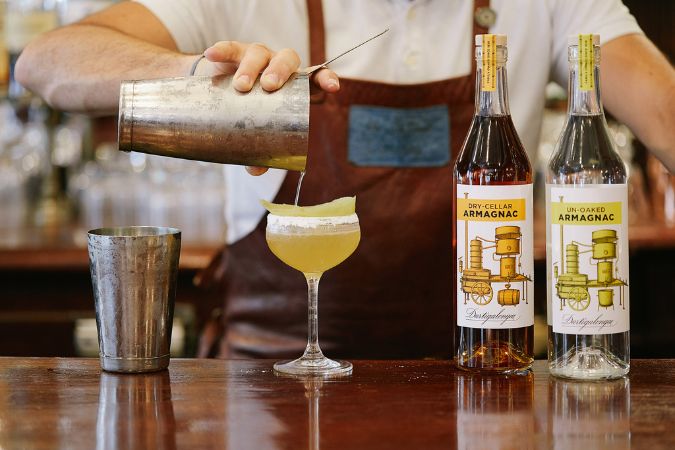
Then there’s the epitome of simplicity: the Highball, ubiquitous in cocktail bars in recent years. In French-brandy terms, this is known as the Fine à l’Eau. ‘Just like the Highball or the Mizuwari, this was originally the base spirit lengthened with clear water,’ says Wilson at The Honey Moon. ‘And just like those drinks, the option of bubbly water became a thing over time.’
For an updated, contemporary take, pay a visit to Bar Nouveau in Paris, where they make theirs with Martell Cognac, verjus and sugar. A fine introduction, if ever there was one, to the versatility of French brandy, with rather a lot more to explore beyond that.
The lighter side
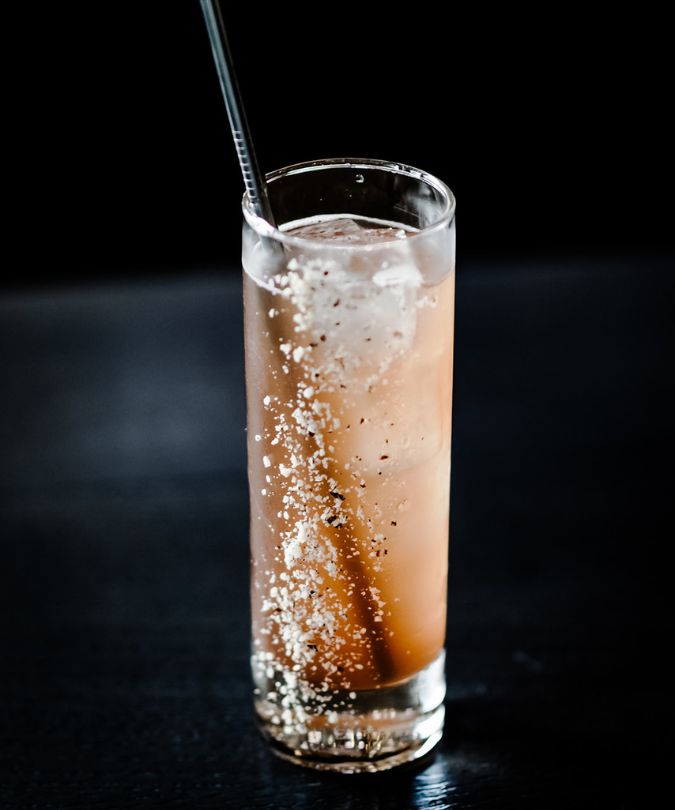
Armagnac has a trick up its sleeve when it comes to cocktails. Unlike Cognac, it has a recognised AOC for the decidedly mixable Blanche d’Armagnac. This clear, unaged spirit, akin to pisco, presents an entirely different style to Armagnac’s aged variants, opening up a world of cocktail potential. New York’s Experimental Cocktail Club is among those making good use of it.
‘Guests are used to aged Cognac and Armagnac, so they’re often surprised to see Blanche d’Armagnac on the menu,’ says head bartender Nathalie Durrieu, who uses the expression made by Château de Laubade. ‘It’s super-fruity and versatile, with excellent quality – and price.’
This Armagnac makes an appearance on Experimental’s menu in the Intrusion cocktail, alongside pandan and cider The lighter side cordial. ‘It’s a clear cocktail, well balanced between fruit, sweet and sour – great for people who aren’t familiar with unaged Armagnac,’ says Durrieu.
Beyond Blanche, the wide range of flavour profiles offered by Cognac and Armagnac means there’s plenty of potential for creating lighter cocktails. ‘You can have a light, sharp VS from Borderies, a heavy, round XO from Grande Champagne and everything in between,’ says Bar Luciole’s Guillaume Le Dorner. ‘I hope we’ll see more summery, light cocktails based on Armagnac and Cognac.’
At Gothic Bar, Jack Porter sees potential for these spirits in ‘longer serves that open up flavours instead of stronger, punchier serves designed to drink late into the night’.