In the annals of drinks history, the summer of 2025 might go down as the one in which no-and-low went fully mainstream. The hashtag #dryJuly trended on Instagram, searches for mocktail recipes surged on TikTok and even supermarkets noted the shift; sales across Waitrose’ no-and-low offering were up 32% compared with last year, including an 85% surge in non-alcoholic spirits. Independent online retailer DELLI also saw sales of non-alcoholic products triple in the last year, with a 47% jump in the first half of 2025 alone.
The popularity of the category only seems set to surge again as Christmas approaches and people begin to investigate no-and-low alternatives, whether it’s the sober looking for interesting substitutes for alcohol at the Christmas Dinner table, drinkers looking to moderate their intake over party season with the occasional soft option or valiant designated drivers.
Irrespective of the time of the year, we don’t currently seem to be able to get enough of ‘alternative’ drinks but it’s oversimplistic to say everyone is going teetotal. Look beneath the surface and there’s a confluence of different trends – and customer motivations – powering the category’s growth.
Sobriety in moderation
One of the main narratives explaining why people are ditching alcoholic drinks is that they’re increasingly focused on health. For some, the World Health Organization’s statement in The Lancet Public Health in 2023 that ‘when it comes to alcohol consumption, there is no safe amount that does not affect health’ was a Rubicon moment.
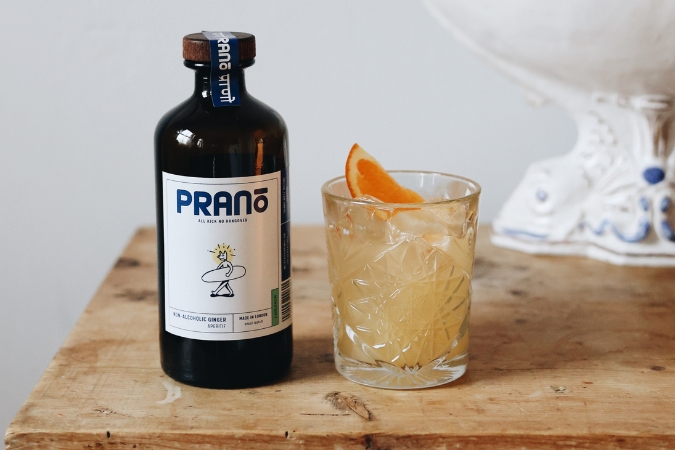
But while it’s widely assumed that Gen Z is the most health conscious, Suresh Reddy, founder of Prano, a ginger non-alcoholic aperitif, finds that older drinkers are more motivated by health concerns. ‘They’re the people who’ve always had a drink to wind down in the evening and now are looking to replace or, if not replace, mix it up with something that gives them a similar feeling,’ he says. ‘They’re conscious that alcohol is not good for you and they’re thinking “maybe I should be doing a bit more about it”. Their mantra is “everything in moderation”.’
While older drinkers might crave the ritual of a Gin & Tonic at the end of the day or a glass of wine with dinner, other demographics are more inclined to view alcohol as something reserved for special occasions. Members of Gen Z stand out, according to Mintel’s 2023 UK Alcoholic Drinks Review Market Report, not simply for how little alcohol they consume but also how rarely they have an alcoholic drink as a refreshment or to complement a meal.
The enduring importance of rituals
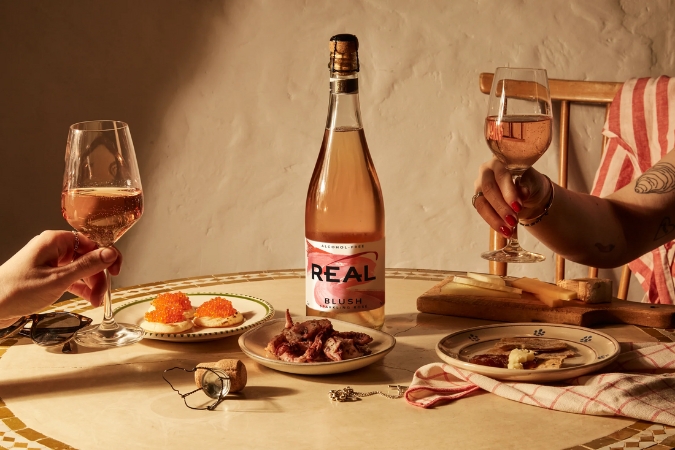
Even so, according to David Begg, founder and chief executive of UK-based The Real Drinks Company, ‘people want the ritual, if not the alcohol, especially at key drinking moments like midweek dinners, long lunches or celebrations.’
‘We make our cider specifically as an alternative to wine,’ says Find and Foster’s co-founder Polly Hilton. ‘We’ve been doing this for ten years and it’s only in the last couple of years that we’ve noticed a lot of people commenting how they like that they can drink our cider in place of wine and not feel hungover or have it at lunch and still be able to get stuff done in the afternoon.’
Peter Crawford, founder of Fife-based Naughton Cider also notes the trend, though he is definitively not trying to make a low ABV drink. In fact, quite the opposite: ‘I want to maximise the impact of the alcohol in the drink because you can’t get close to that feeling of alcohol with any other chemical. But when I tell someone our current 2021 vintage is 7.6% ABV, fruity and a very good alternative to sparkling wine, the fact that it’s three or four percent lower in alcohol than sparkling wine is definitely helpful. It means you can have a couple of glasses at a party without having to think about it too much.’
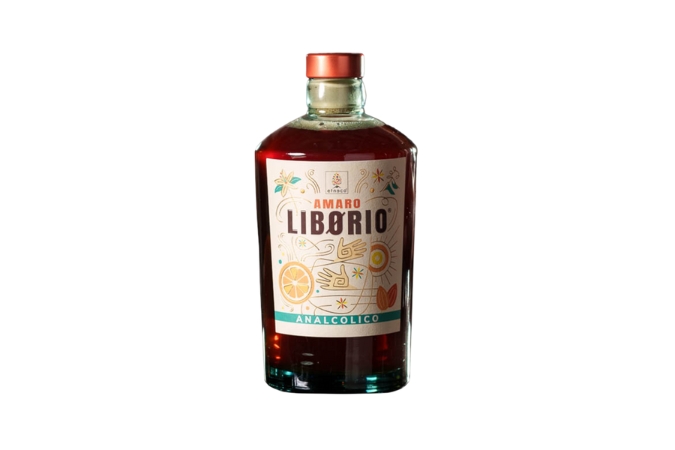
Converting long-held habits into non-alcoholic ones isn’t always easy, especially when it’s deeply rooted in cultural practice. Liborio Massimo Colaianni saw the opportunity to use Sicilian oranges, toasted almonds and bitters to create a traditional amaro but without alcohol. The result was IWSC gold-winning Amaro Liborio but as marketing director Greta Finotti explains: ‘In Italy, amaro is a tradition; the beverage you drink after dinner while you chat with friends. For older people, it’s strange to comprehend that an amaro can be alcohol-free. We created the first non-alcoholic amaro – and we’ve had to also make our market.’
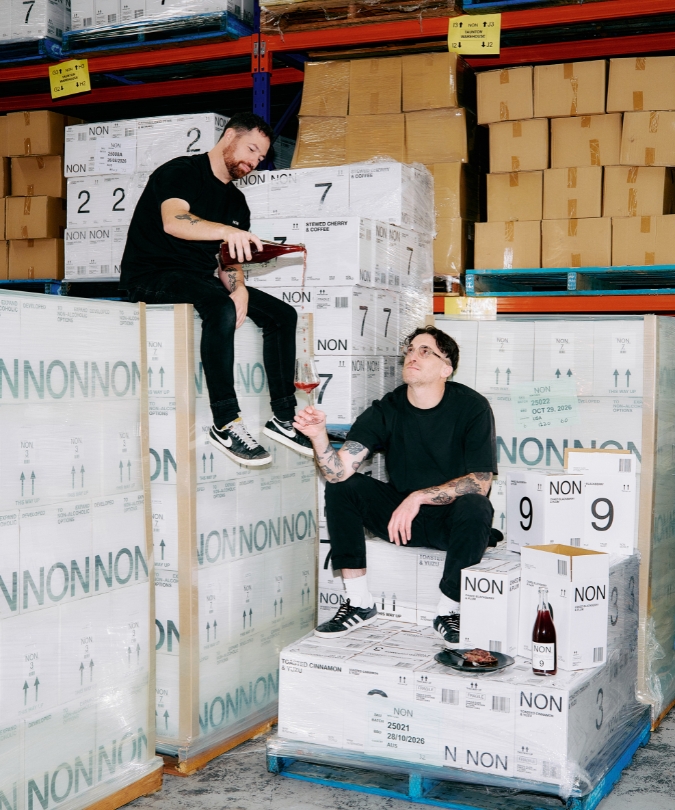
Those daily or weekly habitual moments aren’t always the same across age groups either, as Aaron Trotman, founder of Australian non-alcoholic drink NON explains: ‘Some people want a direct replacement for their G&T or beer. Others are looking for a new ritual entirely, something you wouldn’t confuse with alcohol but that still delivers that same sense of occasion.’

Playing with flavour
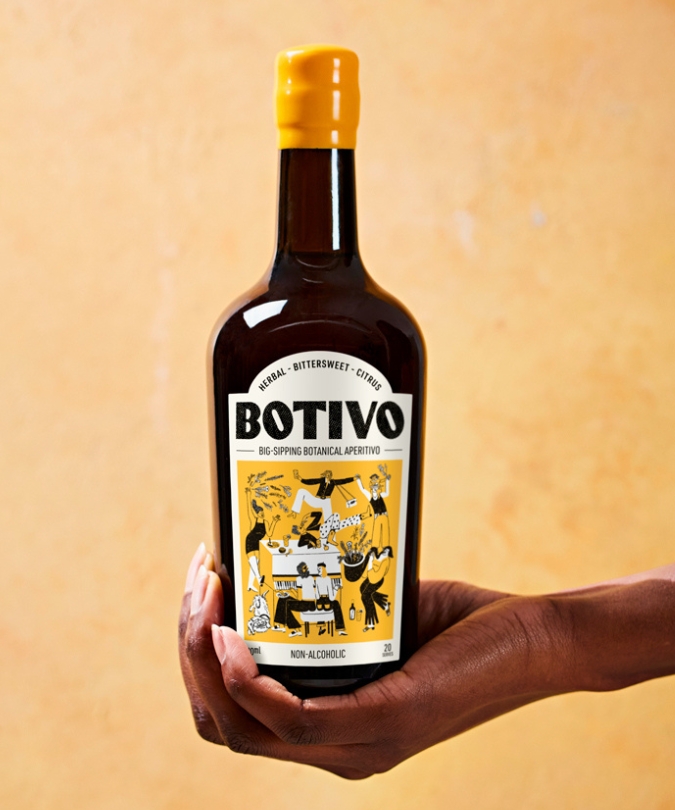
‘People are looking for simple ways to elevate their everyday lives; small, daily pleasures to lift them,’ says Imme Ermgassen, co-founder of Botivo. ‘They don’t necessarily want to moderate.’ For Ermgassen, the emphasis is pleasure, highlighting the wave of ‘non-mimic’ drinks that have unique profiles and are helping to drive a movement on the bar scene away from pedestrian mocktails to original no-and-low creations. ‘Consumers are craving those experiences in their own right – not just as substitutes.’
Botivo’s research found that 95% of the brand’s customers also consume alcohol and a quarter drink Botivo with alcohol, enjoying the botanical flavours it brings to cocktails. Reddy notes similar behaviour from Prano drinkers: ‘A lot of people who buy Prano drink [alcohol]. The reason I know this is because they come back to me and say, “this goes great with whisky”.’
Trotman attributes the creative and playful use of non-alcoholic drinks to the rise in popularity of aperitivo-style drinks and bitter flavours. ‘There has been a clear rejection of overly sweet drinks and a bigger appetite for products with provenance. It’s made more people appreciate complexity and savoury flavours, which is exactly where NON plays.’
Drinks fostering inclusivity
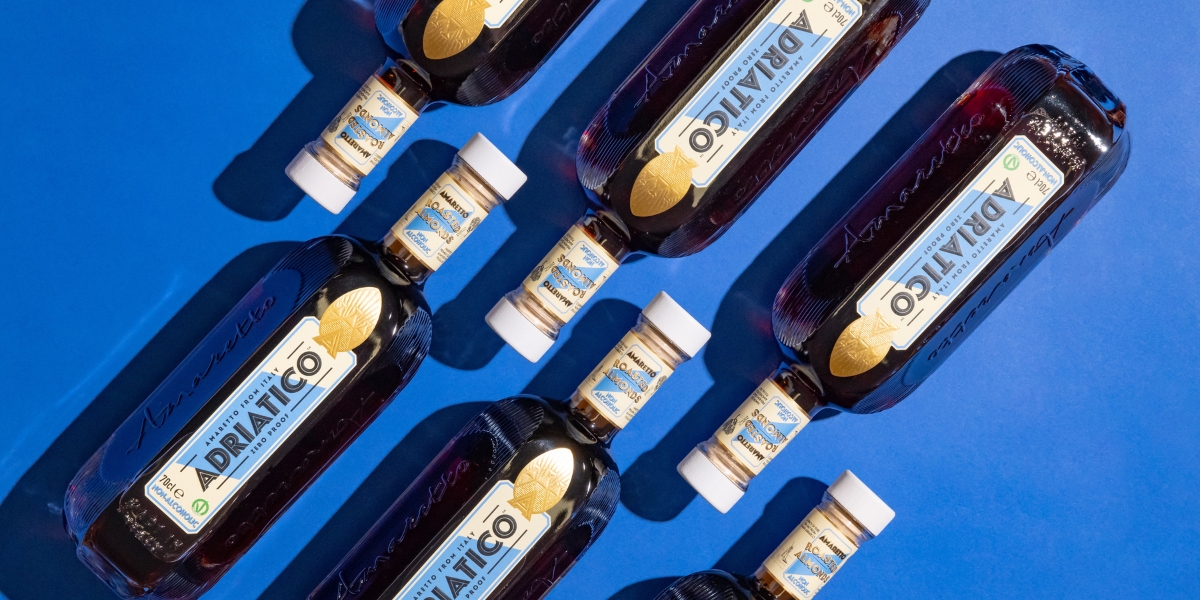
For Jean-Robert Bellanger, creator of IWSC silver-winner Amaretto Adriatico Zero, it’s about making ritual moments – whether celebratory or more regular social moments of connection – as inclusive as possible. At the launch of Adriatico Zero, mirrored cocktails were offered to demonstrate how easily a straight swap with a quality non-alcoholic product can work. ‘People want to drink the same. If a couple comes into a bar and one’s going to drive and one’s drinking, they should be able to get the same cocktail.’
If swaps, well-crafted alternatives and the freedom to make drinks more playful and interesting makes us more convivial and inclusive drinkers, the rise of no-and-low options can only be a good thing. Whatever the volume of alcohol in the glass, it is surely the fundamental quality of the drink and the shared moment that matter most.
Eight no-and-low drinks to enjoy this festive season
Amaro Liborio
As per tradition, many dinners in Italy are only considered complete once a glass (or two) of Amaro has been consumed and Amaro Liborio, a bitter liqueur from Sicily, means those not drinking alcohol can still enjoy the post-dinner ritual. Winning a gold medal at the IWSC 2025, Amaro Liborio was noted for its balanced, bittersweet palate and an almost medicinal quality. The main flavours are orange, bitter almonds, orange blossom and cinchona.
Try as an alternative to: Traditional after-dinner drinks, including amari, limoncello and brandy
£26, amaroliborio.it
NON No.3
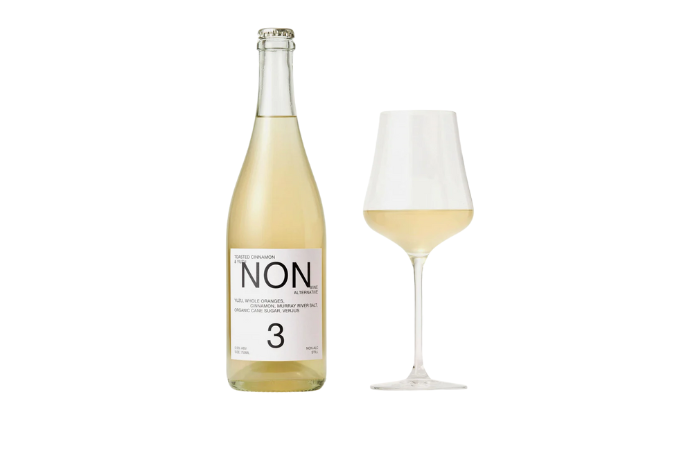
Australian company NON is using unorthodox ingredients in the creation of its non-alcoholic wine alternatives, from river salt and yuzu (as seen in this bottling) to kelp and hibiscus in other recipes. The intention is not to mimic the taste of conventional wine but the zesty No.3 is, nevertheless, an obvious alternative to a still white wine, offering sharpness from the yuzu and acidity from the inclusion of verjus, the latter of which is from Semillon grapes from the Barossa Valley. Recommended serving with antipasti and seafood.
Try as an alternative to: Fresh and crisp white wines served with seafood on Christmas Day
£20, uk.non.world
Sober Spirits W 0.0%
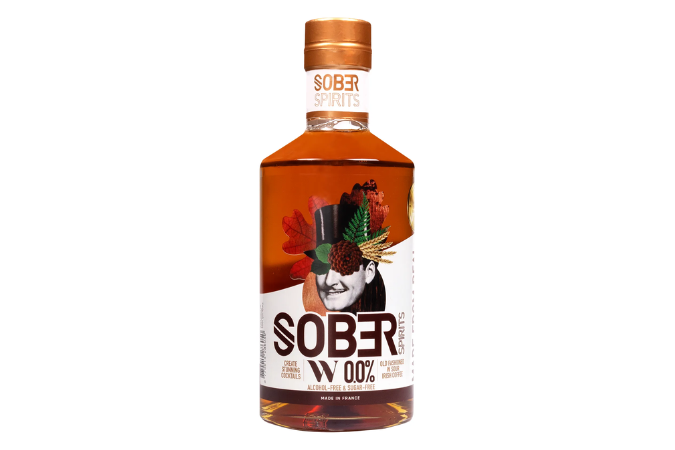
Crafted from a three-year aged spirit, Sober Spirits’ W 0.0% has been given the quintessential ‘bourbon’ flavour through the addition of torrefied wood bark. Notes include wood-smoke, toffee, chocolate, caramel and vanilla. Winning gold at this year’s IWSC awards, this bottling was praised for its long finish, and balance of exotic fruit and warm flavours. While it can be enjoyed neat, Sober Spirits recommends blending W in a cocktail, in order to make perfect alcohol-free Old Fashioneds and Whiskey Sours.
Try as an alternative to: Bourbon in whisky cocktails
£25, soberspirits.com
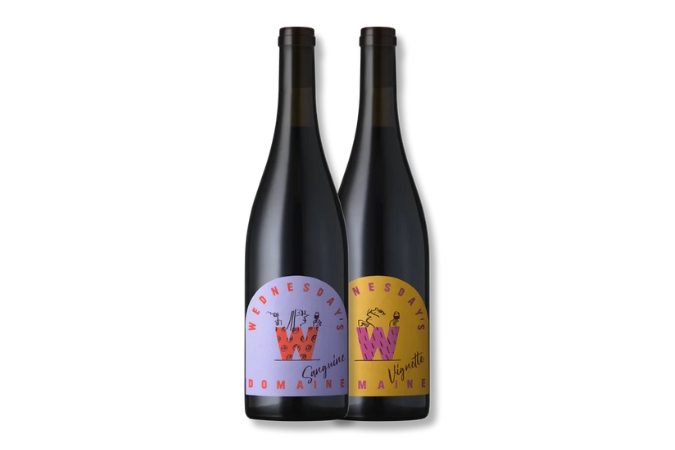
Wednesday’s Domaine Sanguine & Vignette
Lighter reds made from Pinot Noir are good matches for turkey at Christmas but why should non-drinkers miss out? De-alcoholised wine brand Wednesday’s Domaine has the answer: Sanguine, their easy drinking red, offering notes of raspberry, damson and blueberry. For those after something darker and richer, there is Vignette, offering dark plums, spice, and forest floor. Both bottles are made from de-alcoholised base wines from the La Mancha region of Spain and both won bronze medals at the IWSC 2025.
Try as an alternative to: Red wines made from Pinot Noir or Syrah
£30 for two, wednesdaysdomaine.com
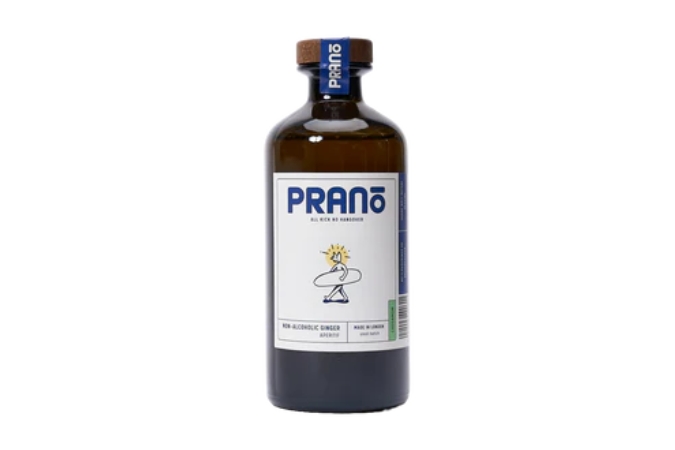
Prano
With flavours of lemon peel, sherbet and ginger that lingers on the finish, this stunning alcohol-free aperitif can be enjoyed on ice or mixed with tonic or soda water. Prano impressed the judges at this year’s IWSC, clinching a silver medal in the ‘alternative drinks’ category. With origins in Ayuverdic practices, Prano is inspired by the immune boosting qualities of certain ingredients, meaning you can smugly sip away knowing that, instead of a hangover, the next day your body should feeling positively healthy. The perfect bottle for Christmas eve drinking.
Try as an alternative to: Aperol in a Spritz or the white wine served with cheese
£25, pranodrinks.com
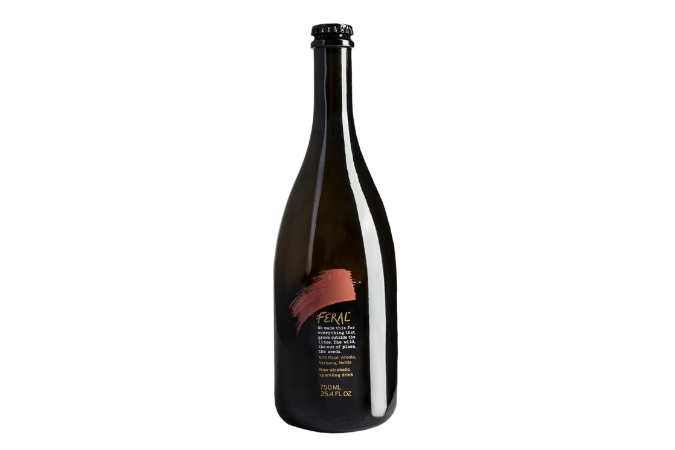
FERAL No.5: Non-alcoholic Pet Nat
Made from fermented birch sap with aronia, verbena, nettle, yarrow and horseradish, this non-alcoholic pet-nat alternative isn’t necessarily trying to be a wine and isn’t a fermented tea either. Instead, this brand is focused on creating non-alcoholic drinks for special occasions made from foraged and often forgotten ingredients found throughout the north Italian countryside. This intriguing drink will be a conversation starter for sure.
Try as an alternative to: Rosé Champagne on Christmas morning
£27, feral-drinks.com
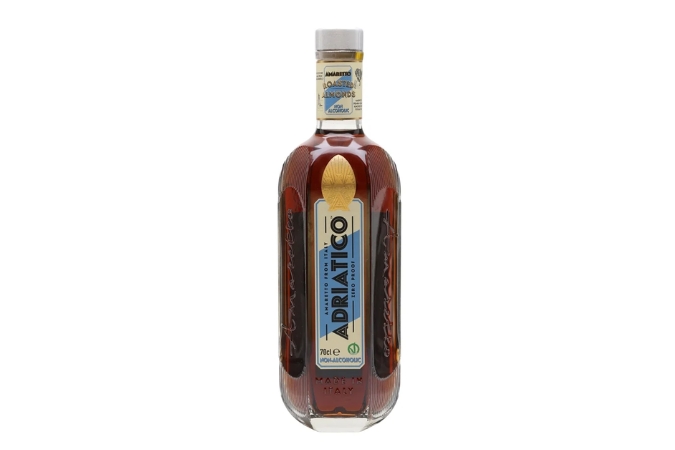
Adriatico Amaretto Zero
Perhaps one of the most festive liqueurs out there, this amaretto is a great non-alcoholic substitute for conventional amarettos like Disaronno. Cinching silver at the IWSC awards, judges were impressed by its sweet and saline character. Expect the traditional notes of marzipan and almond, along with hints of chocolate. For a delicious alcohol-free take on the Amaretto Sour, ise Adriatico Zero with Sober Spirits’ Whisky Bourbon for a seriously indulgent but guilt-free treat.
Try as an alternative to: Disaronno and other alcoholic amarettos
£23.50, thewhiskyexchange.com