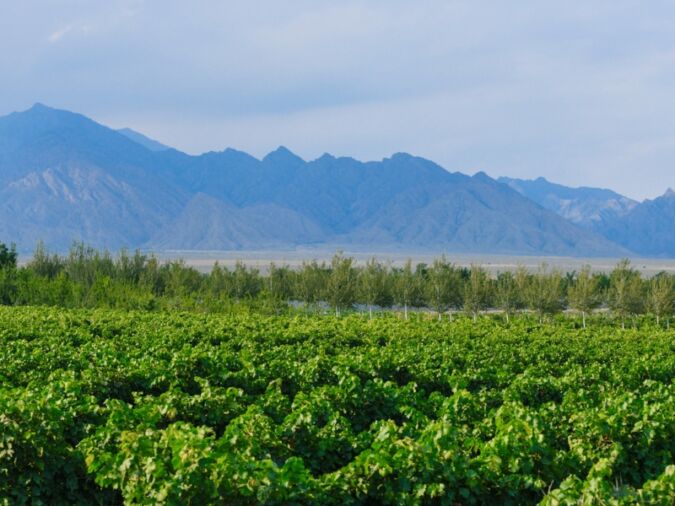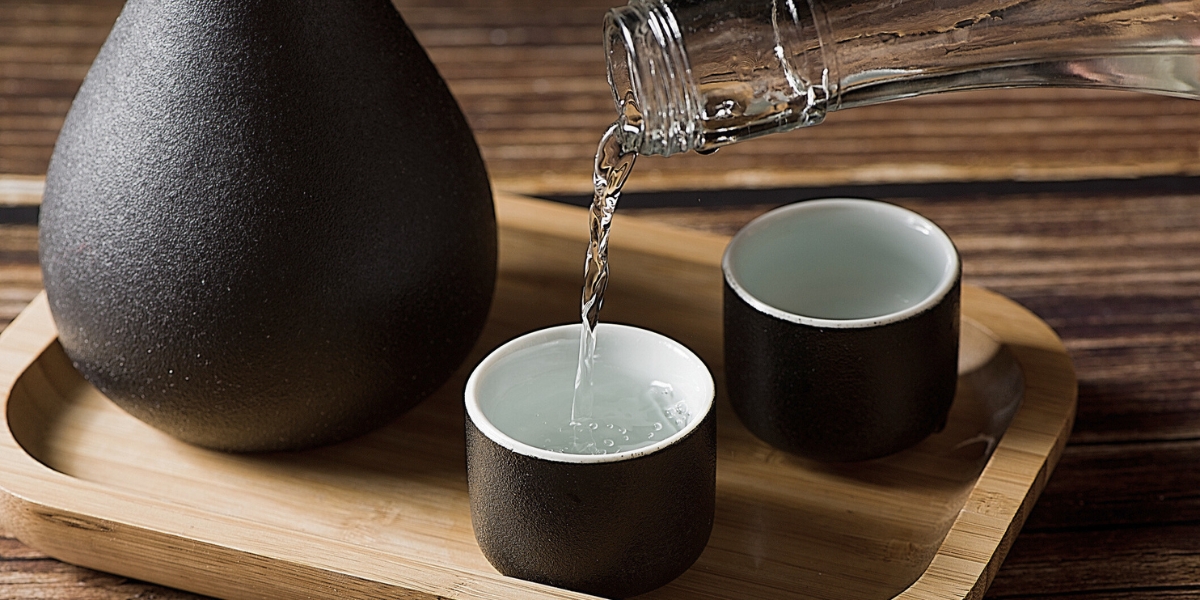
Tucked away in the remote southwest, past craggy, mist-covered mountain peaks, rolling hills of terraced farms and tea plantations, Sichuan reveals China at its best. The ride in from the capital in Chengdu to Qionglai takes a little over an hour but each mile pulls you deeper into the heart of Sichuanese life and culture. The air here is usually thick with humidity and the aroma of fermenting cereal grains. After a day, one hardly notices: baijiu is the backdrop to local life.
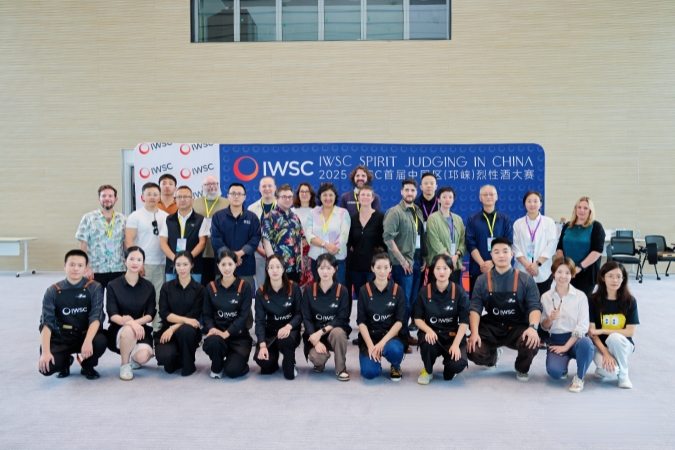
Sichuan makes more of China’s national distilled spirit than any other province – estimates put the number at as high as 70% of all baijiu – and Qionglai is a chief production centre. This year, the city hosted the IWSC’s first spirits competition in China, where I joined several British and Chinese experts as a judge.
Local microclimate and season influence baijiu’s taste, much like terroir in winemaking
Naturally, baijiu was a focus. During the course of the week, we visited several outstanding distilleries and collectively evaluated almost 250 baijius representing the full breadth of the category.
For newcomers, baijiu can be a daunting subject. By volume, baijiu is the world’s biggest spirits category, with annual figures averaging around 5-7bn litres in recent years. Of that, only a miniscule amount makes it to foreign shores. Baiju is not a single drink but a family with 12 officially recognised subcategories, and a case could be made for adding more. Each is intensely aromatic and flavourful, a feature noted by fans and critics alike. But there’s also nothing else quite like it and for discerning drinkers its exploration is endlessly rewarding. Since recent laws have banned the drink from government functions, there is increasing interest among producers in exports.
What is baijiu?
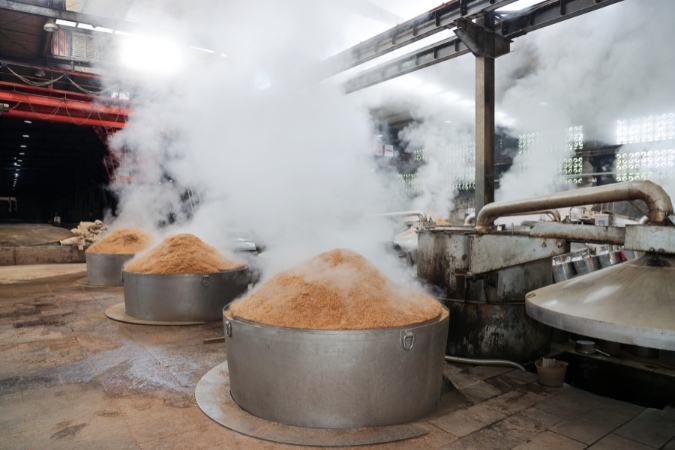
Baijiu, literally ‘white spirit’ in Mandarin Chinese, is a category that comprises all traditional unflavoured Chinese grain spirits. It is fermented using cultures of wild yeast and other microorganisms called qu, which means that the local microclimate and season influence its taste, much like terroir in winemaking. It is distilled by running steam through a solid mash in a pot still and minimally aged in a neutral container, usually terracotta clay, before blending to maximise balance and complexity. Three of its many styles, all distilled from sorghum (or sorghum mixed with other grains), dominate the market at home and abroad: light-aroma, strong-aroma and sauce-aroma.
What sets these three categories apart is a commitment to long-developing flavours and layered aromatic profiles. The best light-aroma baijiu, which originated in northern China, employs two month-long fermentations in stone or clay vessels. Similar in bouquet to an Italian grappa, light-aroma is dry, crisp and floral, with distinctive notes of apricot and lychee.
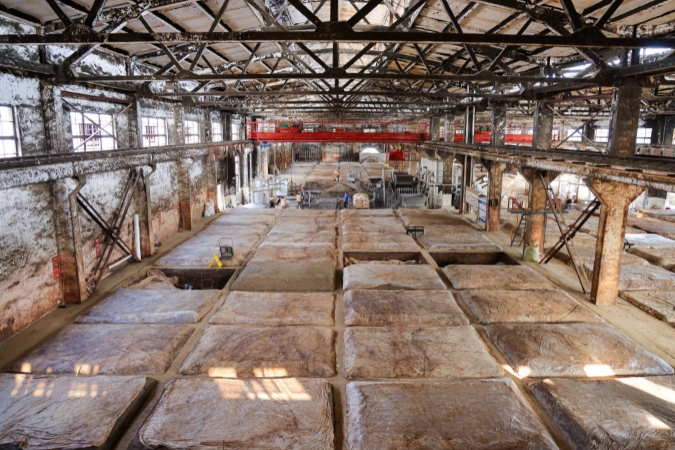
Strong-aroma baijiu, which hails from Sichuan, uses a continuous fermentation process that conditions mashes together with their clay fermentation tanks over periods that can last centuries. The resulting spirits are most comparable to high-ester rums (and rhum agricole), balancing intense tropical fruit sweetness with aniseed, white pepper and a dank, earthy finish.
Sauce-aroma baijiu comes from neighbouring Guizhou province and employs eight month-long fermentations in stone pits to build an umami-heavy flavour profile better compared to food than other spirits. Its flavour often contains notes of sesame, dark chocolate, coffee ground, toasted grain, mushroom and fermented bean, hence the soy sauce-inspired name.
These three styles performed well at the IWSC competition in Qionglai, each netting one of the five baijiu Gold Outstanding awards given to only the top 2% of entries. All nine of the Gold recipients were in the strong- and sauce-aroma categories. In total, about 25% of all baijiu samples earned a Silver medal or higher, hinting at several intriguing trends in the category.
‘The strong-aroma baijiu samples appeared less traditional, more delicate and refined to the new tastes of Chinese consumers, who prefer a lighter body that shows more steamed grain and fermented tropical fruit flavours,’ explains Zhong Yuchen, baijiu consultant and co-founder of Yuankun Education, who also served as the Chinese judging chair. ‘We also got some very good sauce-aroma baijiu samples. International audiences might get some of the good stuff at a very reasonable price.’
Judge Benjamin Salguero agreed, noting, ‘In a lot of the sauce-aroma that we tried, the hazelnut and the dark chocolate was coming through a lot more than what you’d expect compared to the umami and the traditional soy flavours that you find [in exports].’
In recent years, the number of brands available in the UK has dramatically increased
Where to try baijiu in the UK
Thankfully, one need not travel to China to begin exploring baijiu. In recent years, the number of brands available in the UK has dramatically increased, with baijiu appearing in more mainstream bars, restaurants and retailers, as well as online retailers like Sous Chef and Amazon.
Salguero opened Jaded Dragon in Bristol earlier this year, which like its sister bar Golden Crane, specialises in baijiu. ‘A really good way to enjoy baijiu, especially for a new person getting into it, is to give it a go traditionally. Try that first cup, enjoy the flavours, then look to cocktails,’ he says. The bar currently carries all 12 of baijiu subcategories and several IWSC-winning brands but sauce-aroma distiller Kwiechow Moutai’s Golden Prince is its most popular pour, followed by strong-aroma Ming River from Luzhou Laojiao. Both are well-known leaders in their respective style. ‘The public seems to resonate quite strongly with sauce- and strong-aroma baijiu. That’s where their imagination is captivated.’
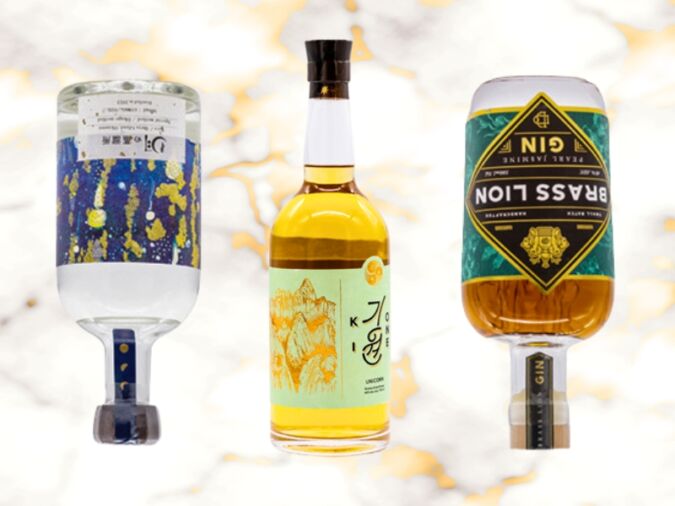
‘Always start with established brands for quality and consistency,’ advises Zhong. In the light-aroma space Xinghuacun Fenjiu (sometimes rendered Fen Chiew) is the established leader, and Taiwanese brands like Kinmen Kaoliang and Yushan offer a light-bodied, floral alternative. For strong-aroma baijiu seek out Wuliangye and Luzhou Laojiao. For sauce-aroma baijiu, look for Kweichow Moutai and Lang Jiu. Tuopai Shede has recently increased their export offerings and offers good value in the strong- and sauce-aroma categories. ‘You don’t have to buy their flagship products; sub-brands can offer very good value. Then venture into the smaller baijiu brands, local brands, or regional styles of baijiu.’