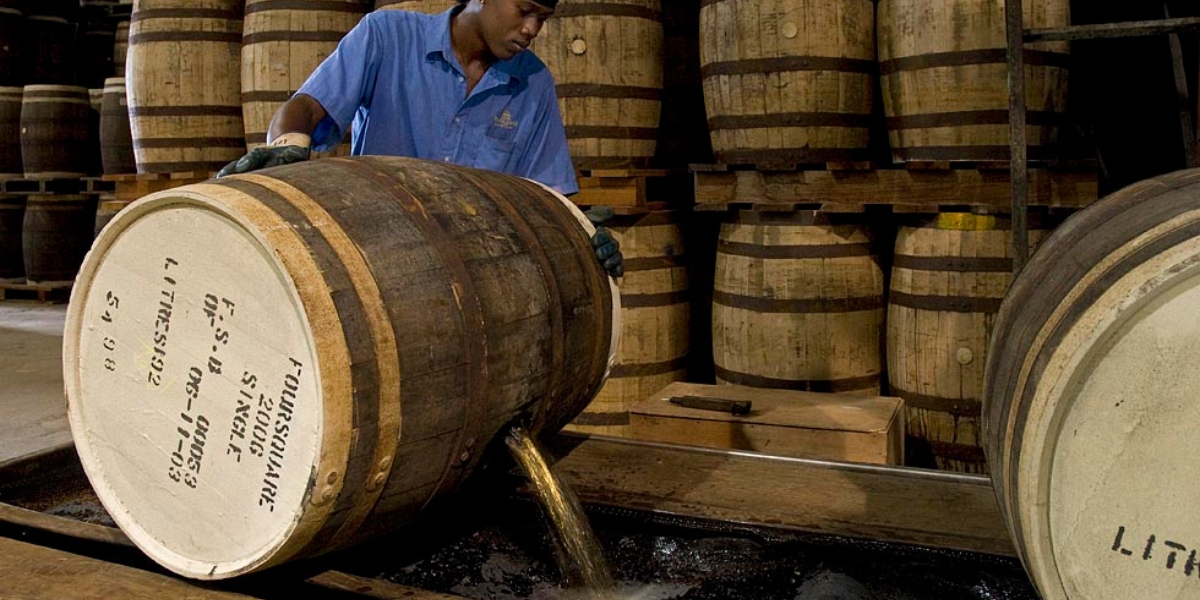
Foursquare Rum Distillery sits on a former sugar plantation that dates back to approximately 1720 on the tiny Caribbean island of Barbados. The Seale family, rum blenders through four generations since 1926, established the distillery in 1996 on the premises of the defunct Foursquare Sugar Factory, where sugar had been produced since the mid-17th century until its closure in 1988. Today, distilling operations and blending are directed by Richard Seale, fourth-generation trader and distiller.
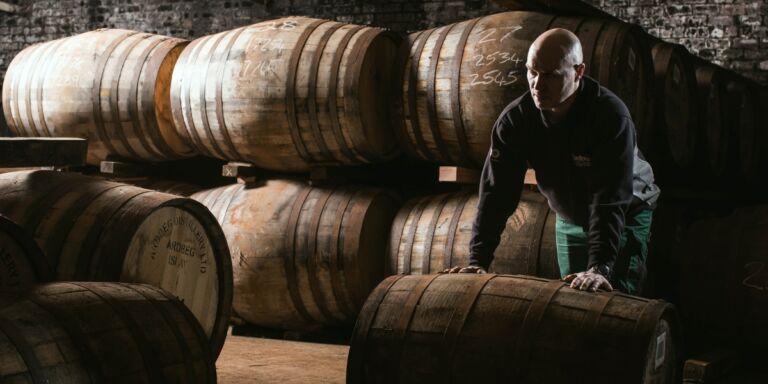
Since commissioning in 1996, the distillery has expanded from one to three stills, added six maturation warehouses, built a new bottling facility, a new cooperage, installed two sugar mills and built one of the largest reserves of maturing rum in the industry with over 50,000 casks. The original seven-acre factory site has grown to 53 acres. Their track record speaks volumes: IWSC Spirits Producer of the Year in 2021, IWSC Rum Producer of the Year five times (2016, 2018, 2019, 2021, 2024) and the Rum Trophy four times (2016, 2020, 2024, 2025).
The team sees themselves in the business of selling pleasure, and there’s great satisfaction in seeing customers take both pride and enjoyment from their selection of one of the rums. Social media allows direct interaction with customers globally that was impossible not so long ago, and they never grow tired of hearing from them. Each year they select a number of limited releases, and the most enjoyable part of their work is tasting something that has taken more than a decade in the making.
Foursquare doesn’t think of themselves as making something unique. They have the blessing and the burden of an inheritance: the 300-year tradition of Barbados rum-making. The objective is to respect that tradition and to live up to it. Their mission is to preserve traditional methods and to execute at the highest level. They eschew terms like innovation or experimentation, which imply a desire to change. They have no desire to change, simply a desire to do things well. In this way, they still maintain ancient methods like natural fermentation, but the innovation is in their scientific understanding and the modern tools they use to assist them.