Few brands are as intertwined with Italy’s cultural and creative identity as Campari. Born in 1860, when Gaspare Campari created his striking red aperitif in Novara, it quickly became a symbol of Italian taste and sophistication. By 1904, the first production plant had opened in Sesto San Giovanni, Milan, followed by the Camparino Bar in 1915 – an icon of aperitivo culture nestled beneath the glass arcades of the Galleria Vittorio Emanuele II. This year, Campari has secured fifth position in the IWSC Top 50 Producers.
Campari’s story is one of constant reinvention, fuelled by artistry and imagination. From Leonetto Cappiello’s whimsical Spiritello poster to Bruno Munari’s avant-garde typographic studies, Federico Fellini’s 1984 short film and Ugo Nespolo’s 1990 World Cup-inspired manifesto, each era has added a new layer to the brand’s visual and cultural legacy.
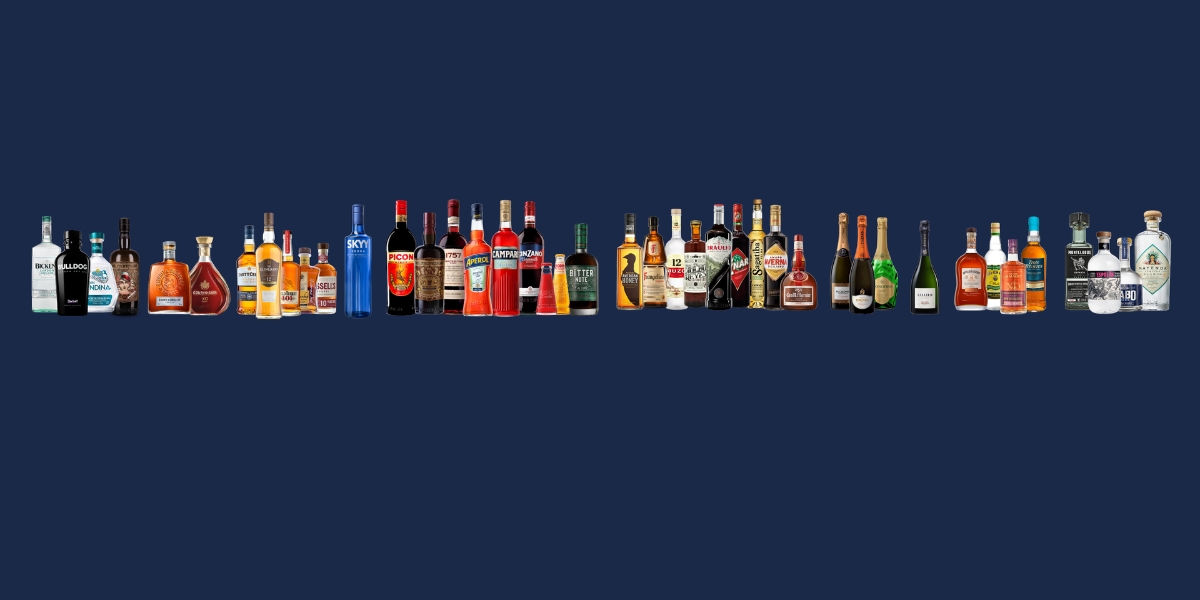
But the true turning point for the brand came in 1995, when Campari made its first acquisition – the start of a growth strategy balancing organic brand-building with selective expansion. In 2001, the company listed on the Italian Stock Exchange, acquired SKYY Vodka and launched the Campari Calendar, marking its arrival on the global stage. What followed was a decade of ambitious growth: Aperol (2003), Glen Grant (2006), Wild Turkey and Espolòn (2009), Appleton Estate (2012) and Grand Marnier (2016).
Today, the Campari Group is a leading global spirits company with a portfolio of more than 50 premium and super-premium brands, distributed in 190 countries, produced in 24 plants and managed through direct operations in 27 markets.
At its heart, Campari is about people and passion – a global community of self-proclaimed ‘Camparistas’ united by creativity and a shared philosophy of “Together”. From the Russell family at Wild Turkey to Joy Spence at Appleton Estate – the first woman to become Master Blender in the spirits industry – Campari’s strength lies in the leadership behind its brands.