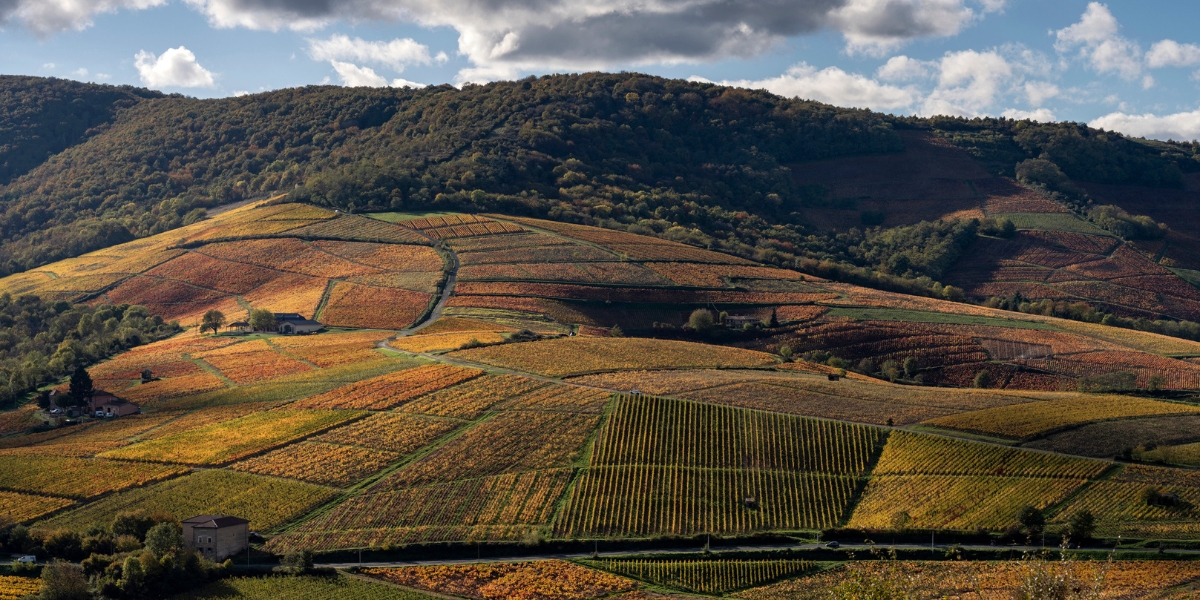
Between the end of the 19th century and the early 21st century, the value of the wines from Beaujolais fell precipitously relative to those of its northern neighbour, Burgundy (and elsewhere). Blame is usually laid at the door of Beaujolais Nouveau. It’s true that these wines had a big part to play in the region’s changing fortunes, in both a positive and a negative way but it’s facile to ascribe all the region’s problems to one simple cause.
Beaujolais’s race to the bottom began in the post-war period, although its roots ran deeper, back to the phylloxera crisis of the late nineteenth century. Like most wine-producing regions, Beaujolais’s vineyards were devastated by the louse. Although vines were replanted on American rootstocks, production didn’t really hit its stride until the period between the two world wars, at which point the Great Depression of the 1930s affected not only the volumes of wines sold but also the prices they fetched. During the Second World War, the agricultural economy of Beaujolais, which was located in Vichy France (i.e. not under Nazi control), was effectively ruined. By 1945 there was, quite literally, not a single barrel of Beaujolais available for sale. From that point onwards, Beaujolais travelled pretty fast down the road towards the production of cheap table wine rather than towards the heights of more premium offerings. It was rare, at the time, for producers to bottle their own wine. Instead they preferred the quick economic hit of producing in bulk and selling their grapes (or wines) either to local cooperatives or to négociants. Quantity, not quality, became the modus operandi throughout much of Beaujolais.
The world fell in love with Beaujolais and its zesty, fruity wines
Meanwhile, back in the bouchons of Lyon and the zincs of Paris, another trend was emerging. The tradition had long been to ship barrels of Beaujolais to both cities (rather than bottles), but the owners of the restaurants – and their customers – were aware that these wines were at their vibrant best shortly after harvest. By the end of each year’s production cycle, the wine remaining in the barrels was beginning to look, and taste, rather jaded. Restaurateurs and cavistes took to putting out billboards as soon as the new wines arrived in their cellars every year. Le Beaujolais Nouveau est arrivé was the slogan used to advertise the fact that the latest vintage was available on tap. The race to get the Nouveau in as early as possible became so exaggerated that quality was compromised. In 1951 the INAO stepped in and legislated that the earliest that Beaujolais primeur could be sold was on the stroke of midnight on the third Thursday in November.
The Beaujolais-based négociant Georges Duboeuf took the idea and ran with it, big time. He started off in the 1960s by hosting parties celebrating the new vintage, first at his winery in Romanèche-Thorins, then in Paris and, eventually, around the world. He would invite famous chefs and restaurateurs, along with celebrities and politicians, causing a buzz of excitement and generating publicity both for his business and for the primeur wines he was selling. The world fell in love with Beaujolais and its zesty, fruity wines. (It’s worth remembering that this all happened in the days before New World wines hit the markets in a big way, so easy-drinking, juicy wines were a novelty for many.) Within a decade of Duboeuf launching his new-wave Nouveaus, every négociant and cooperative in the region had jumped onto the Nouveau bandwagon alongside him.
The winemakers of Beaujolais revelled in their new-found riches and the fame the wines brought to their region. So important did Beaujolais Nouveau become for the region’s economy that around a third of all the wines produced in Beaujolais in the 1980s and 1990s were destined for sale by the end of the very same year in which the grapes were grown. Unfortunately, the very success of Beaujolais Nouveau sowed the seeds for the region’s eventual downfall. To begin with, many of the growers got hooked on the easy money to be had from growing grapes for Nouveau. Alongside the hit of cash came a decline in quality of the wines being made. In order to produce vast quantities of wine very quickly, shortcuts were being taken in both vineyard and winery.
When the tide of fashion turned against Beaujolais Nouveau in the early 2000s, it did so with a speed and a violence that took the region by surprise
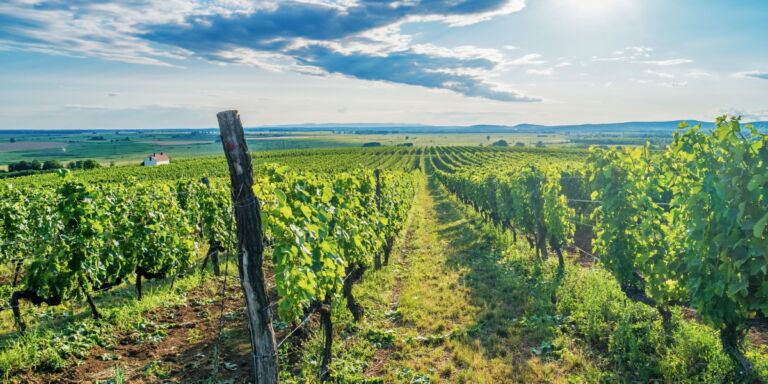
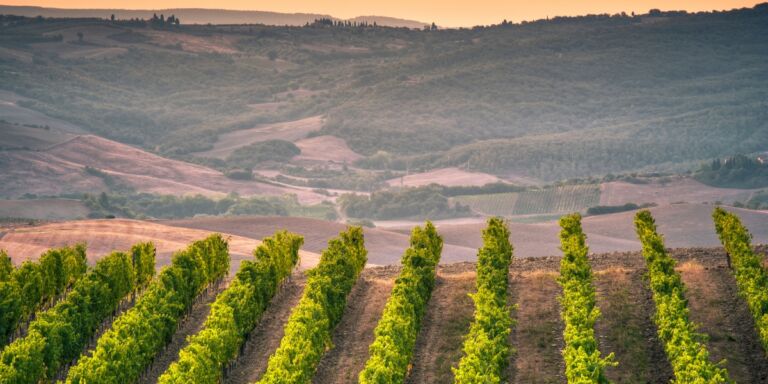
The easiest way to produce lots of wine very cheaply is, of course, to crop at high yields. If you’re going to do so, though, you’re likely to need the support of pesticides, fungicides, herbicides and fertilizers. And that’s exactly what happened across Beaujolais’s vineyards, where the vines were routinely sprayed with all kinds of treatments throughout the growing season. In the southern part of Beaujolais, in particular, the drive towards the use of chemical aids to viticulture mandated a wholesale grubbing up of old-school, densely planted bush vines in favour of trellised plantings, which were far easier to mechanize.
In the rush to vinify huge volumes of wine quickly and efficiently, the region’s traditional vinification methods were eschewed in favour of technical winemaking that not only allowed for speedy processing of the raw material but also standardized flavours and aromas. Thermovinification and the use of cultured yeasts, in particular 71B, were used to create wines with deep colour, little tannin and flavours of bubblegum and candied fruits.
When the tide of fashion turned against Beaujolais Nouveau in the early 2000s, it did so with a speed and a violence that took the region by surprise. During the boom years of the 1990s you couldn’t buy a vineyard in the region for love or money, but within a decade, vineyards were being left to lie fallow as it simply wasn’t worth the time or the money it took to cultivate them. The final – and most enduring – legacy of the Nouveau era was the tarring of all the region’s wines by association. The very idea that Beaujolais could be complex, characterful and long-lived became risible. It’s taken time, but the tide has – at long last – finally turned and the work of rehabilitating the region’s reputation is well under way. Maybe instead of talking about Beaujolais Nouveau, we should now be talking about the nouveau Beaujolais.