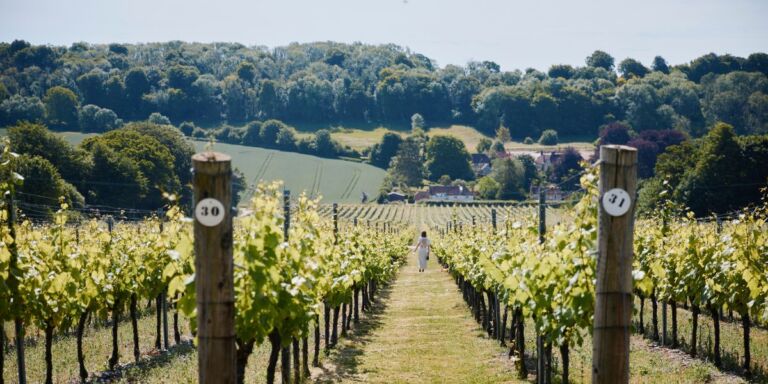
Tall, slender cypresses line the winding roads to the Castiglion del Bosco estate, their dark green silhouettes punctuating the rolling patchwork of ochre fields. In the heart of this quintessentially Tuscan landscape, in the UNESCO-protected Val d’Orcia, dense woodland is interrupted only by orderly rows of vines that sweep across the slopes, following the hills’ natural contours. To the south of this historic agricultural borgo, is the warm, earthy palette of Montalcino, with the rich terracotta of its rooftops and the sun-baked honey tones of its medieval stone buildings.
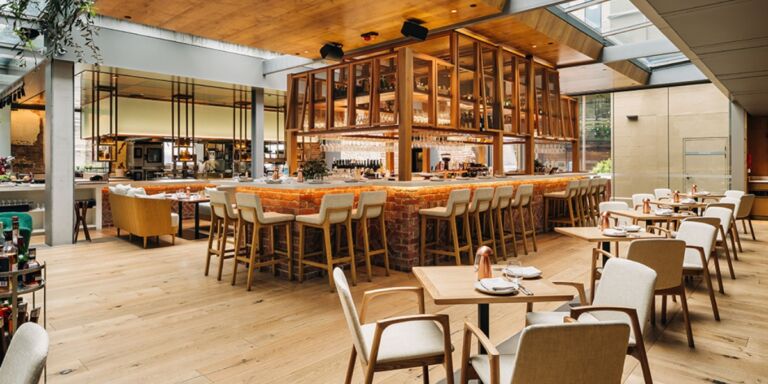
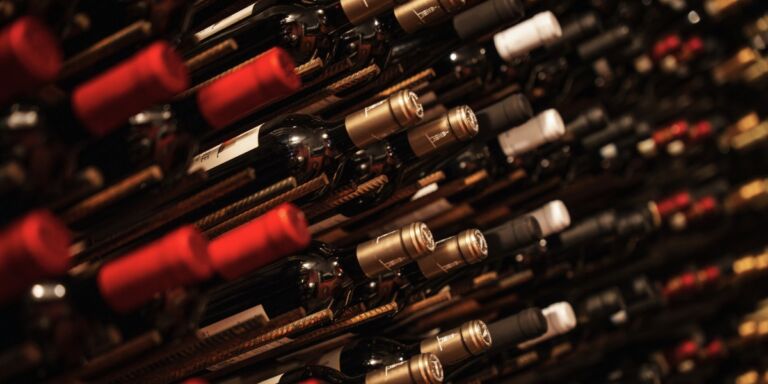
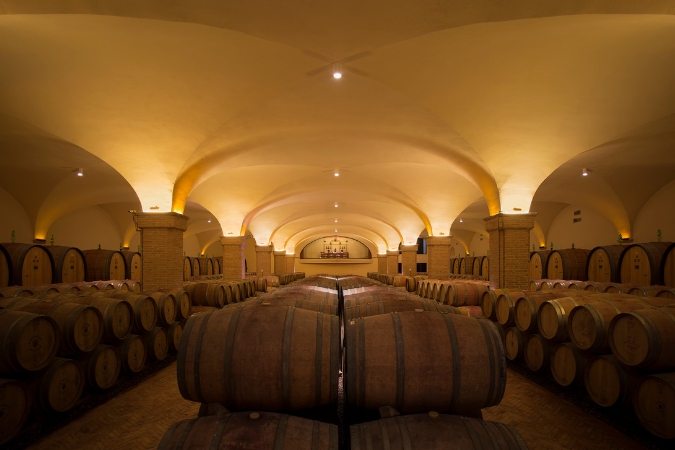
At the centre of the Castiglion del Bosco estate is its spectacular winery, featuring a breathtaking bottaia (the barrel room), an elegant members’ cellar and a striking glass-fronted wine tasting space. To complement the winery, restaurants including the Michelin-starred Campo del Drago are scattered across the estate’s most enchanting spots, alongside Italy’s only private golf course and the only one in Europe designed by legendary champion Tom Weiskopf. Visitors can stay: there are 42 suites spread across the property, including 11 private villas housed in restored 17th- and 18th-century farmhouses, each with gardens and a heated pool.
Castiglion del Bosco is a place steeped in history, its heritage stretching back to the 12th century, when a fortress was erected on the hilltop. The ruins of the castle crown the village and are an enduring symbol of the estate, echoed on the labels of its wines.
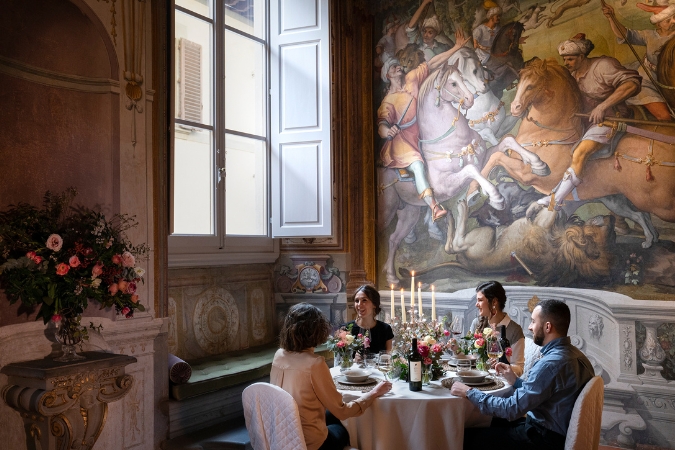
Beyond the estate’s archaeological remains, the historical significance of Castiglion del Bosco also lies in its connection to the fine wines of Tuscany, with archival records showing that winemaking has been part of the estate since at least the early 1900s. In 1967, Castiglion del Bosco was among the pioneering estates that founded the Consorzio del Vino Brunello di Montalcino at a time when working wineries were few and far between, with many farmers abandoning their vines in search of a new life in the cities. Since then, Castiglion del Bosco has witnessed Brunello’s extraordinary rise to international acclaim as one of the world’s most celebrated fine wines, with more than 200 producers now championing its name.
The bosco
Of Castiglion del Bosco’s 2,000 hectares of land, 62 are dedicated to organic certified vineyards. The remainder is predominantly bosco, Italian for ‘woods’, as the estate’s name suggests. Inhabited by roe deer, pheasants, wild boars and foxes, the bosco is more than a feature of the landscape; it plays a crucial role in shaping the character of the wines.
One way the bosco does this is by softening the harshest weather before it reaches the vineyards, while also acting as a shield against external contaminants, such as pesticides from neighbouring crops. It also creates a unique microclimate by moderating summer temperatures and making swings more gradual, a factor that helps to ensure optimal grape ripening and keep spring frosts out of the vineyards.
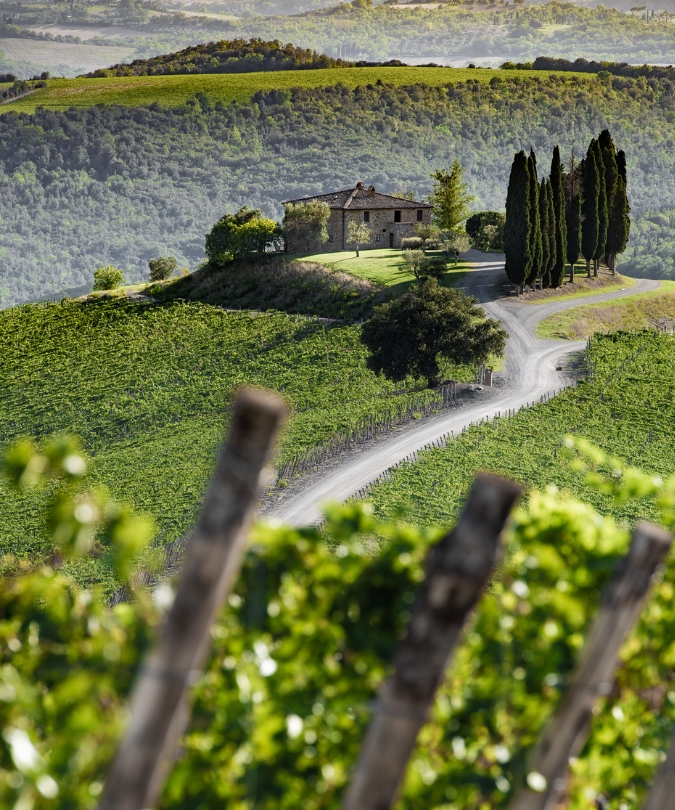
The woodland in the northwestern part of the denomination has long remained at the margins of viticulture, as the higher altitudes historically made it challenging for Sangiovese to achieve full maturity. Yet, today, the unique character of the area surrounding Castiglion del Bosco is considered one of the finest for Sangiovese production. As the climate warms across the region, these cooler, higher slopes (the estate’s highest vineyard reaches up to 530m above sea level) have become a blessing: they provide natural balance against the heat and lend the wines finesse regardless of vintage variations. Constant ventilation helps regulate humidity too, while the significant temperature difference between day and night ensures the grapes retain freshness into full maturity.
The vineyards
The estate’s 62 hectares of organic vineyards are divided into two main blocks. In the south, the 40-hectare Capanna vineyard provides the majority of the grapes for Castiglion del Bosco’s various Brunellos. Meanwhile, in the northern part of the estate, the 20 hectares of the Gauggiole vineyard are primarily dedicated to the production of Rosso di Montalcino. Right at the centre of Castiglion del Bosco, two additional small plots – Casa di Colle and Agresto – of about one hectare each complete the estate vineyards.
The soils at the higher elevations are marked by abundant rock, a compact, gravelly mass whose scarce reserves of groundwater force the vines to send their roots extremely deep. The rows are exposed to the wind as well as to the sharp temperature differences between day and night. Descending the slope, the nature of the soil shifts to typical Tuscan clay-rich galestro, while clay schists scattered with stones dominate further down.
With the exception of the Agresto vineyard, which is home to the intriguing white grape Incrocio Manzoni and used for the limited-release bottling Undici, all other vineyards are exclusively devoted to Sangiovese. This choice reflects Castiglion del Bosco’s commitment to a grape that is not only a symbol of Tuscany and quality Italian wine but also of the estate’s heritage. The histories of Sangiovese and Castiglion del Bosco are inextricably linked, the grape forming part of its centuries-long story and the estate playing a central role in Brunello’s rise to fine-wine acclaim.